Apricot - Wonder Cot
Country of Origin: Eurasia, Central Asia, China 🇨🇳
Average Weight: 35 Grams
Introduction
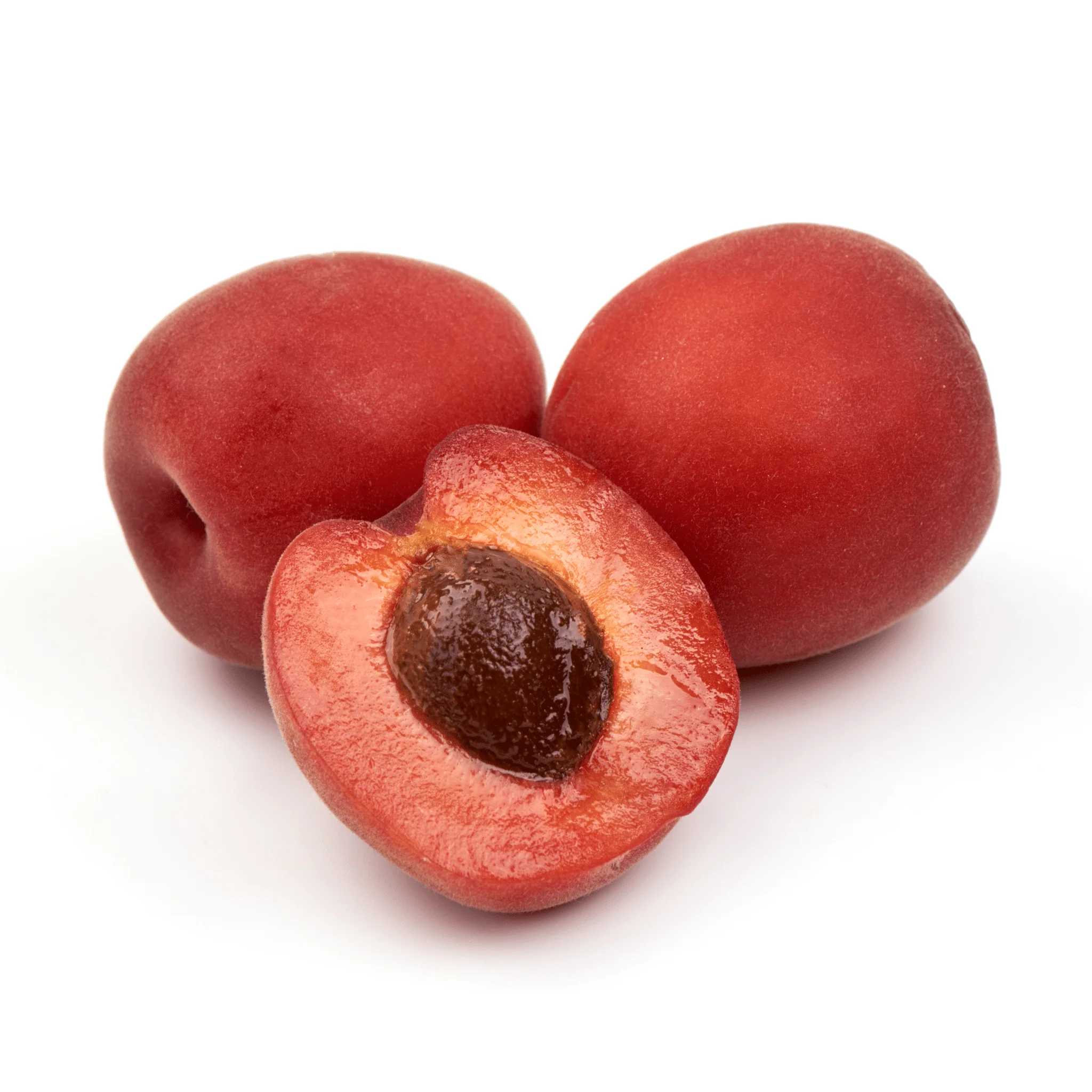
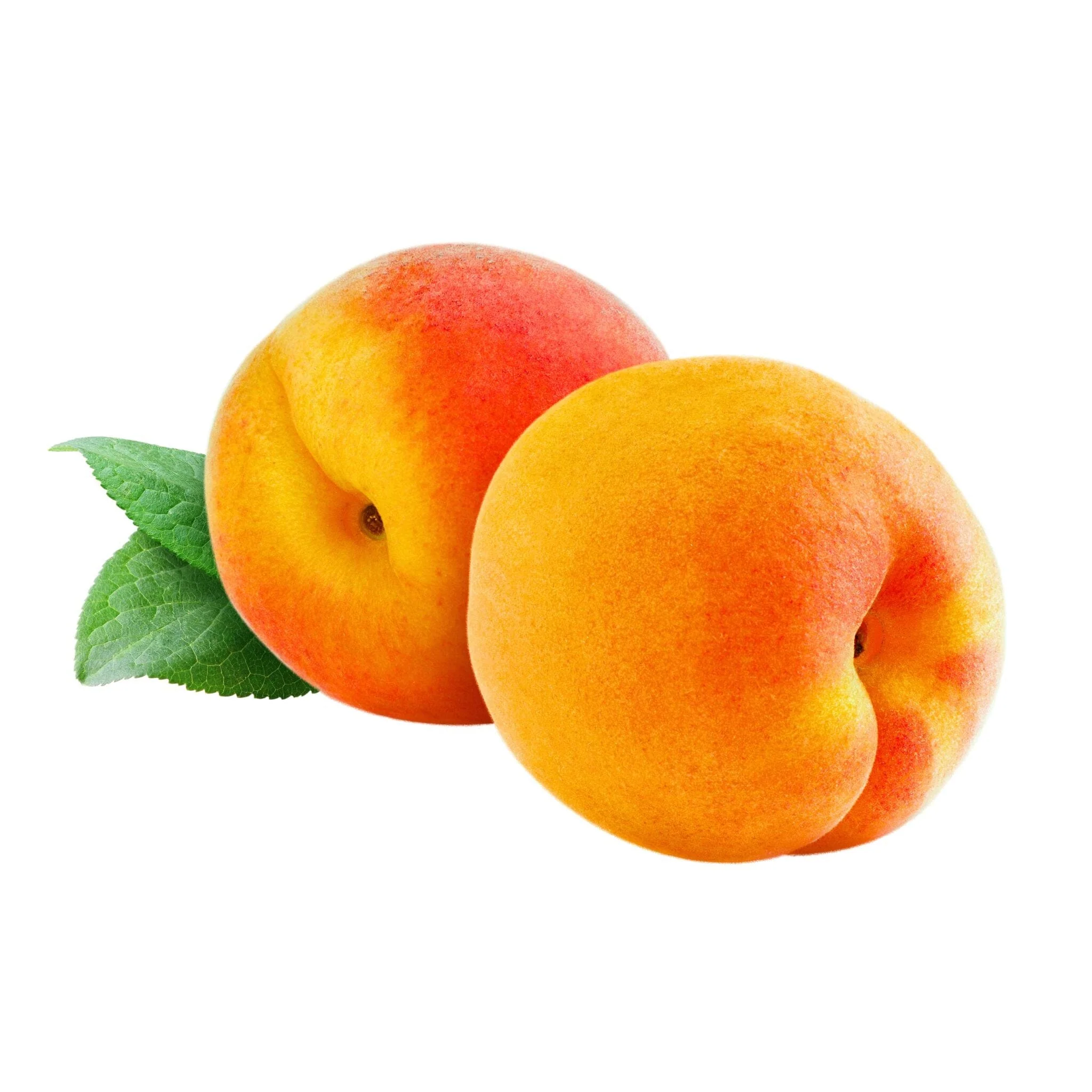
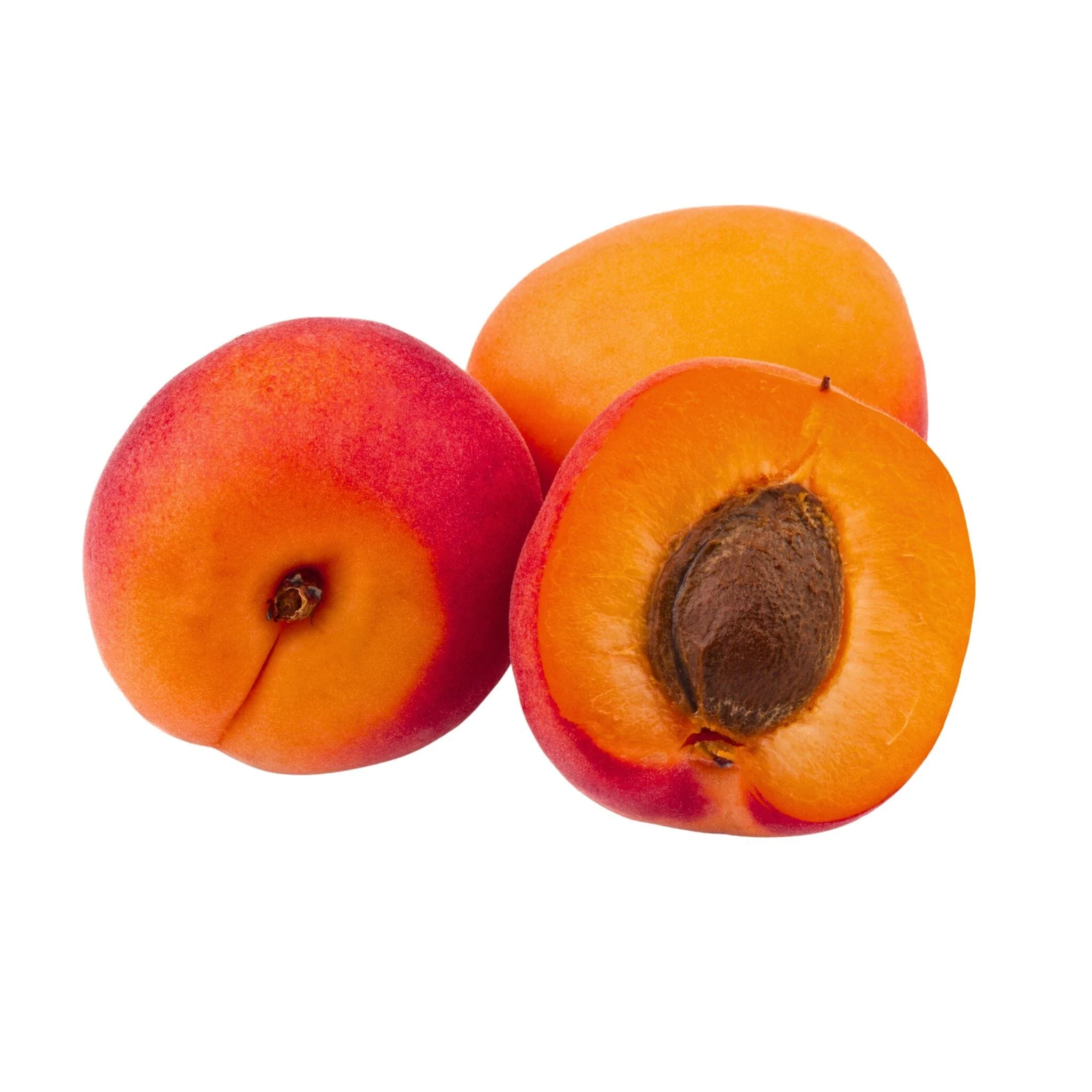
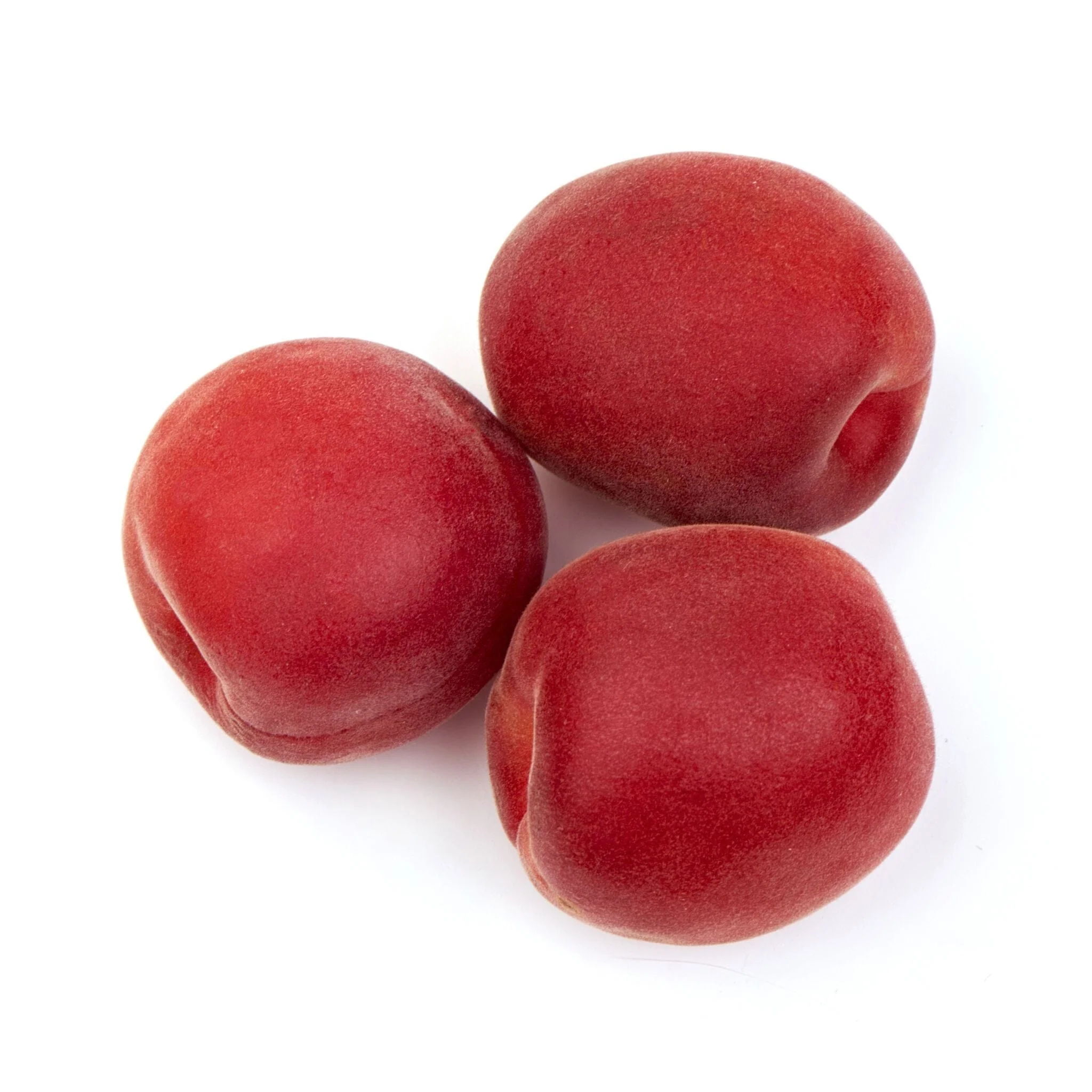
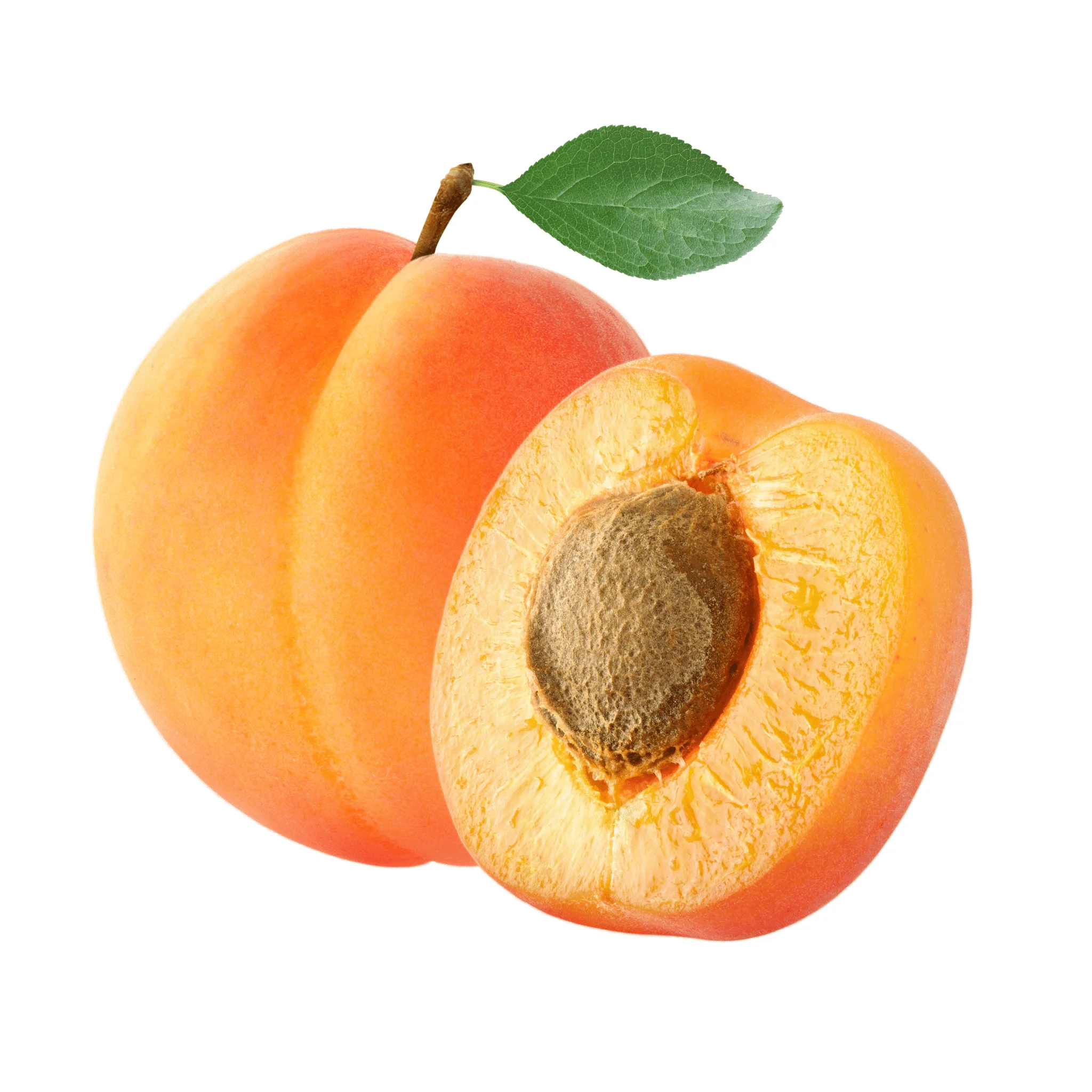
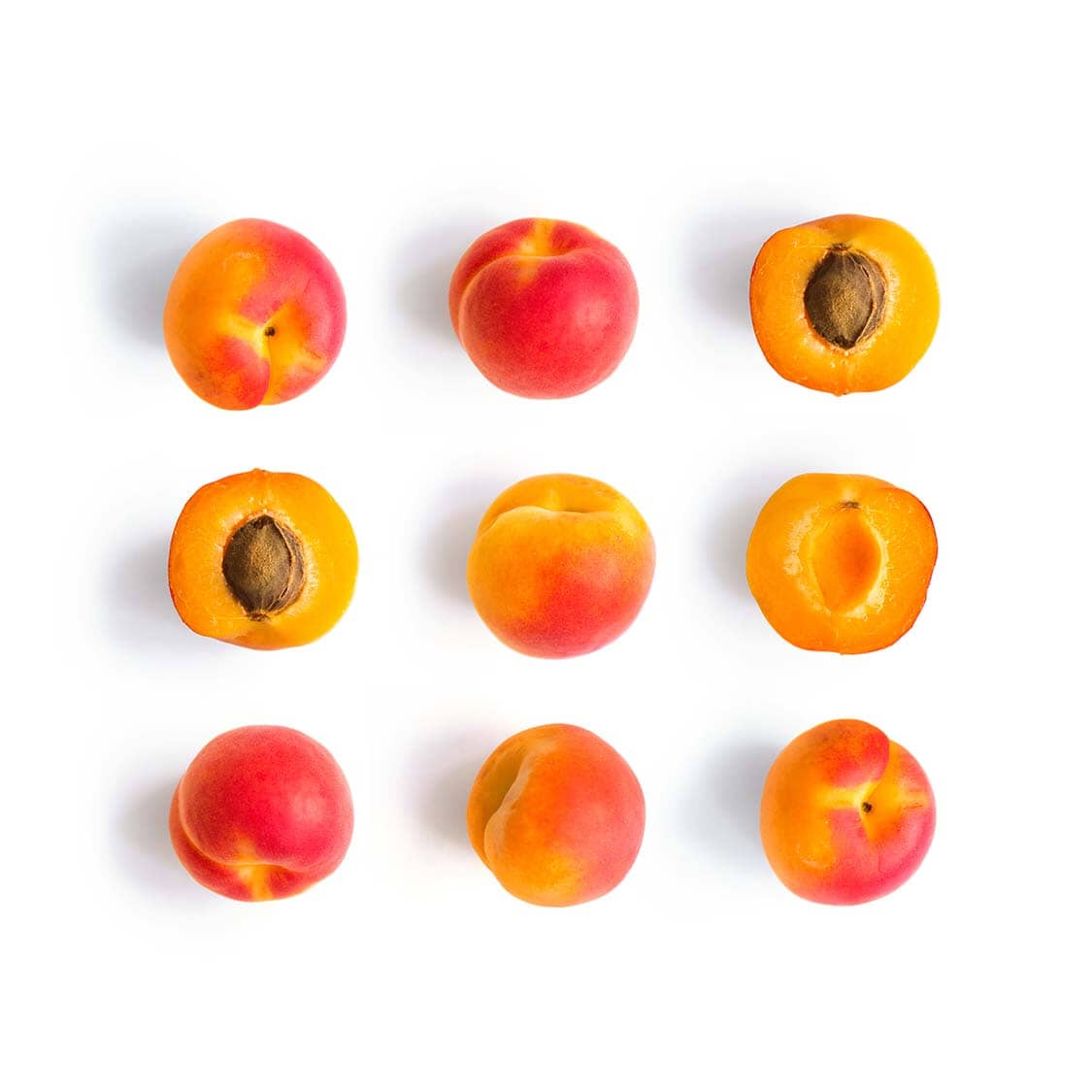
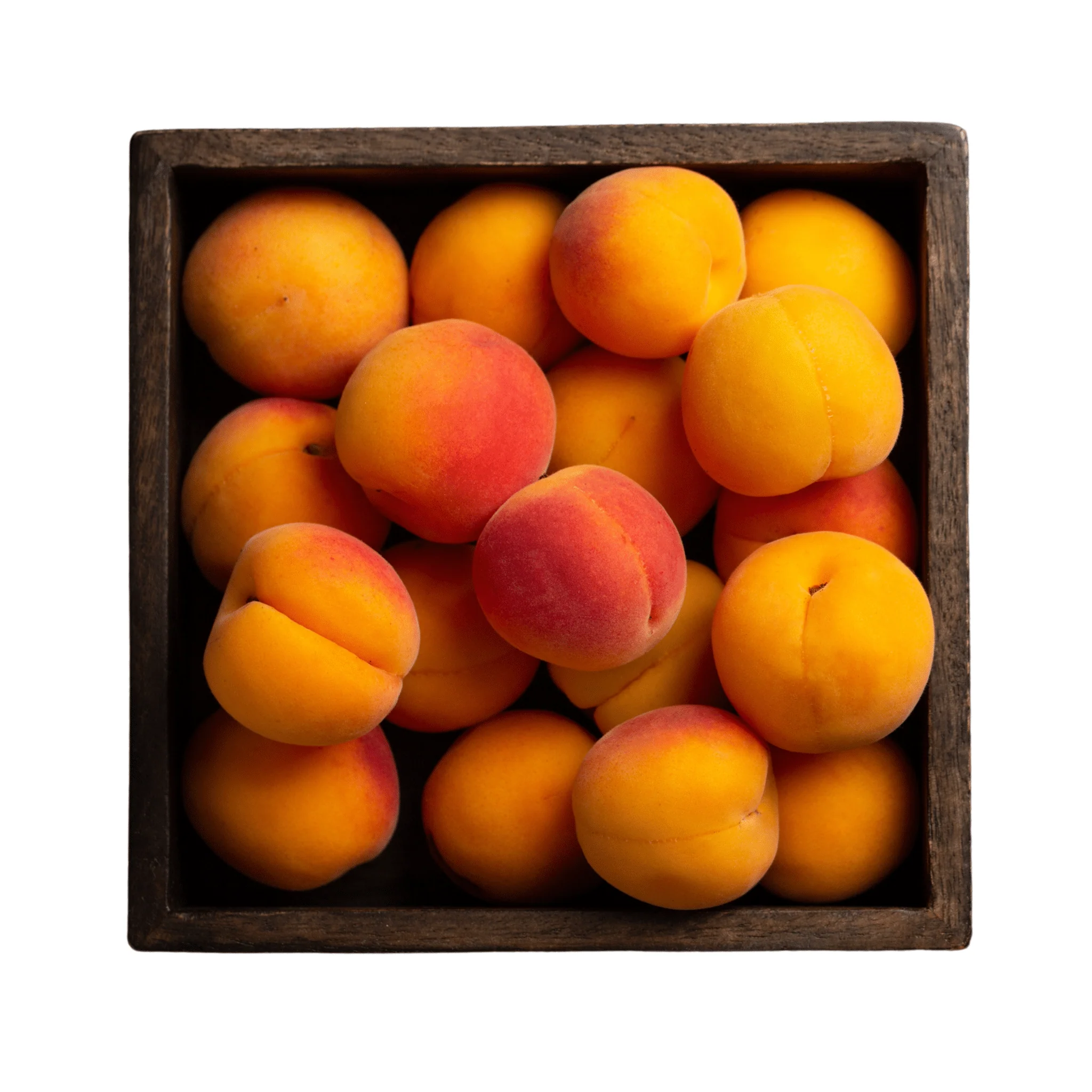
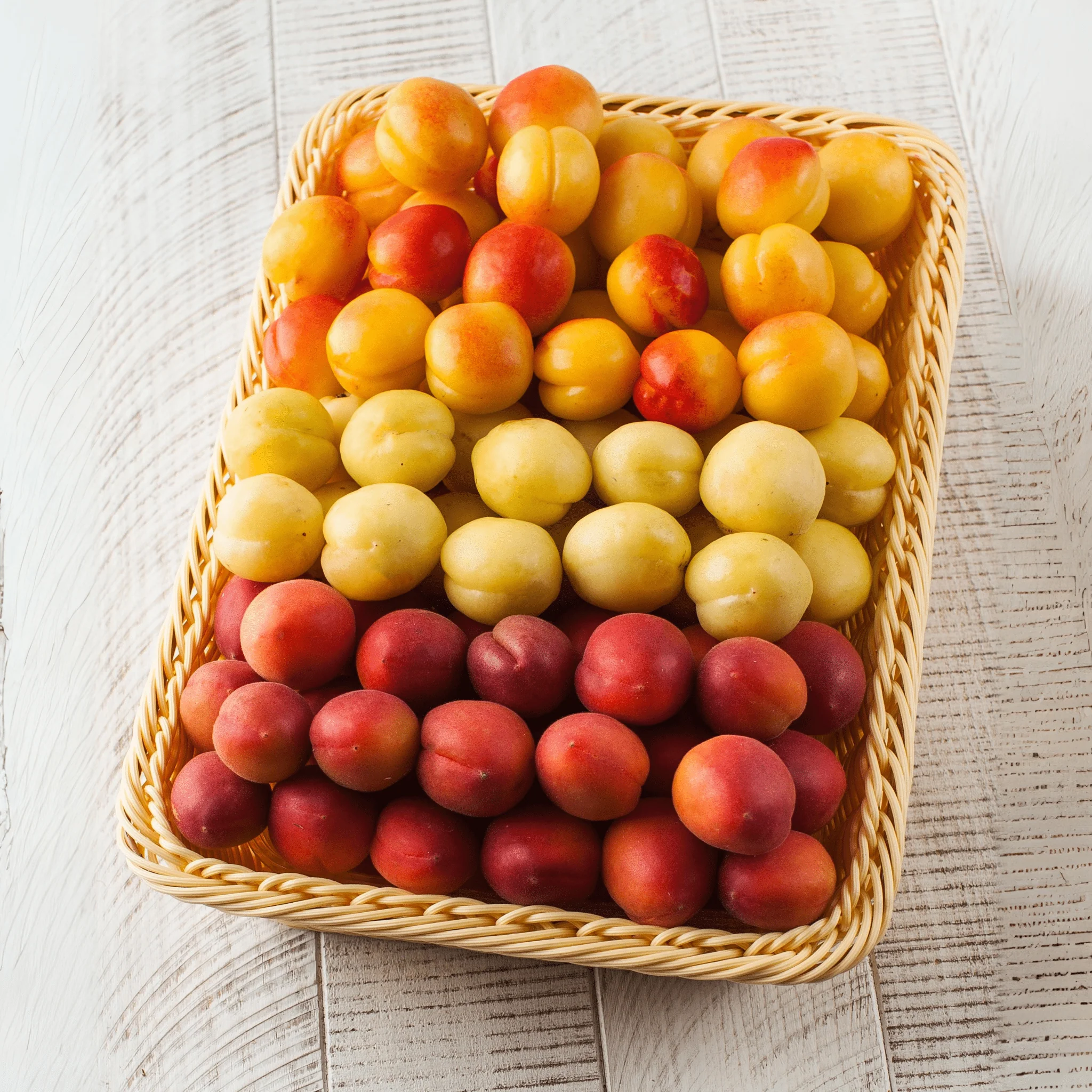
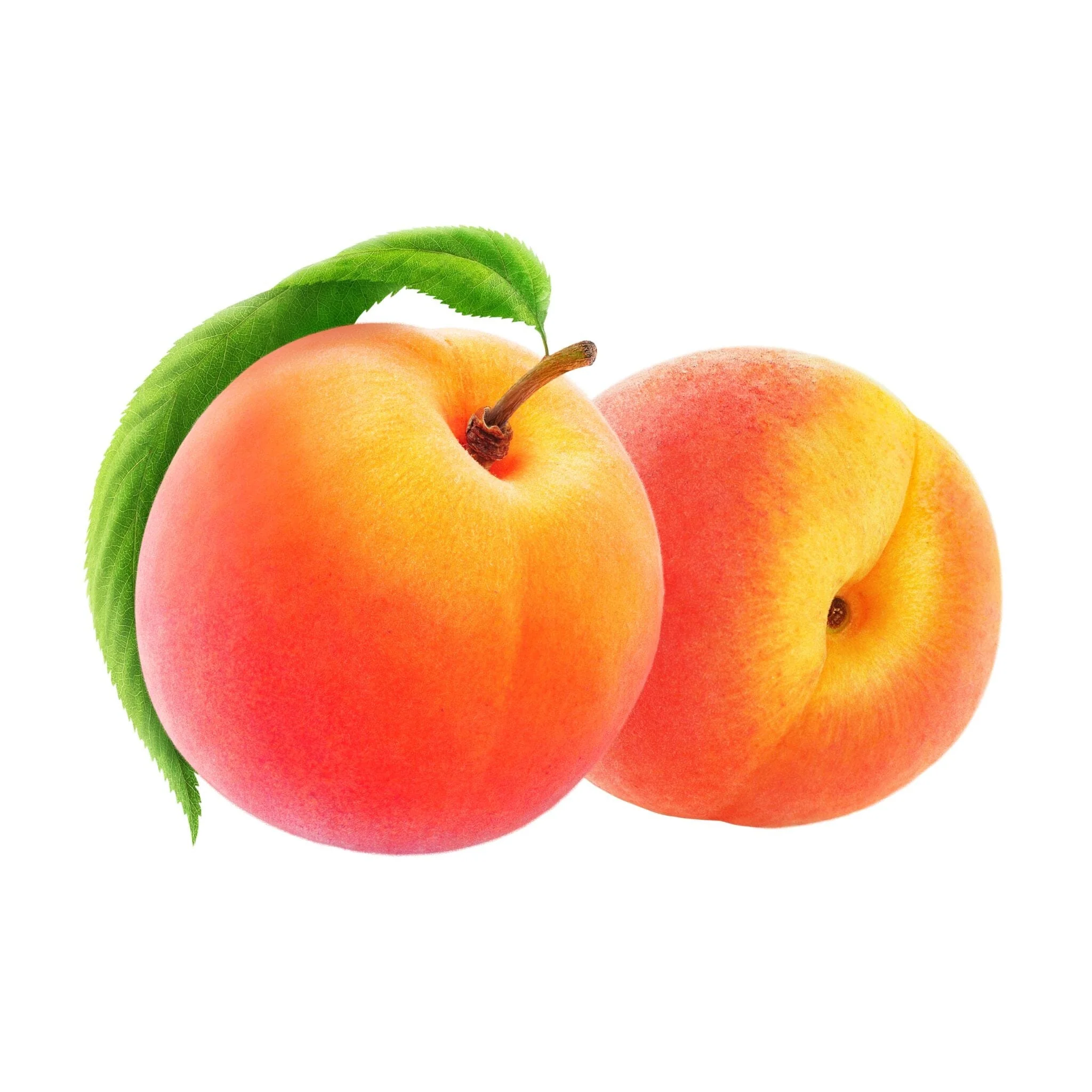
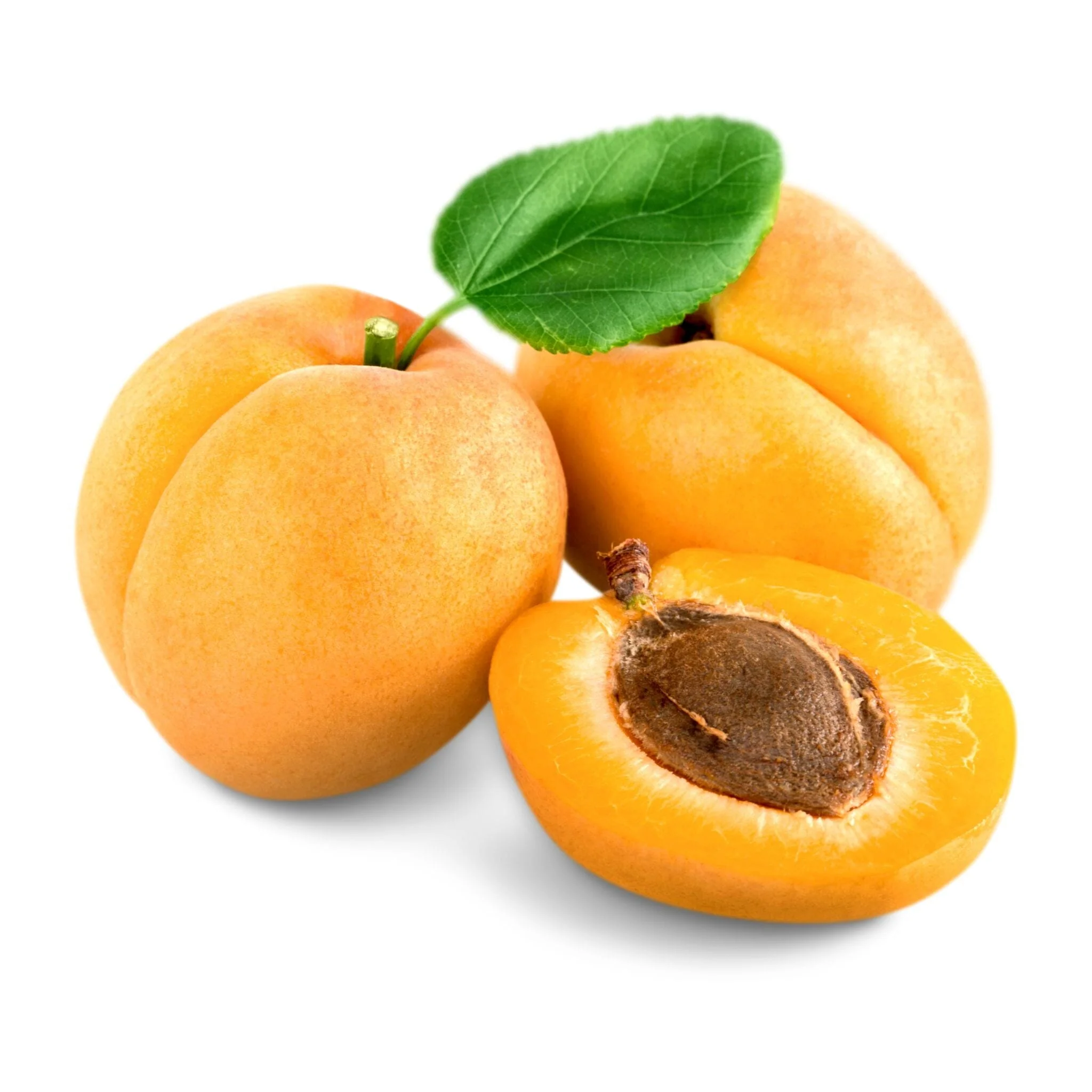
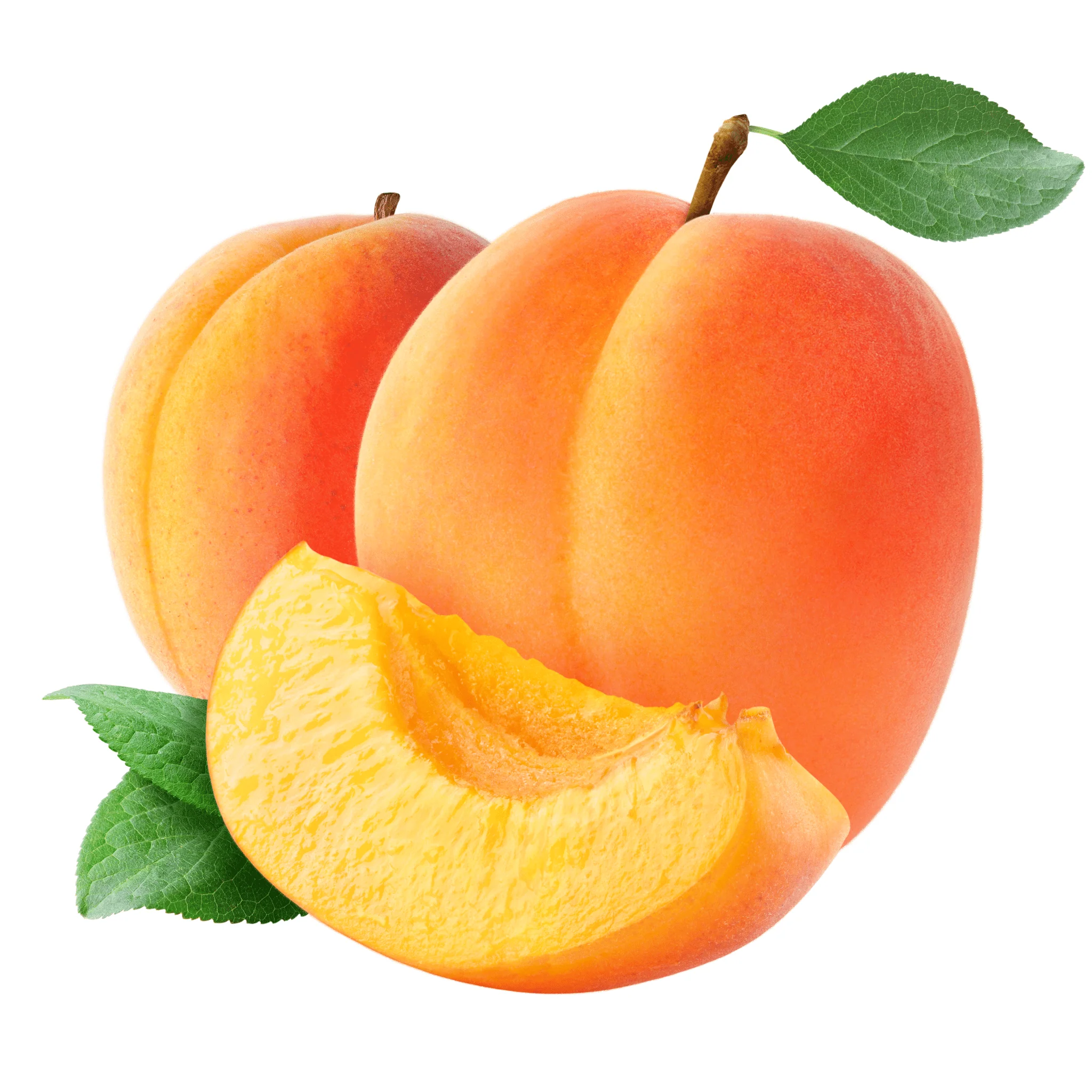
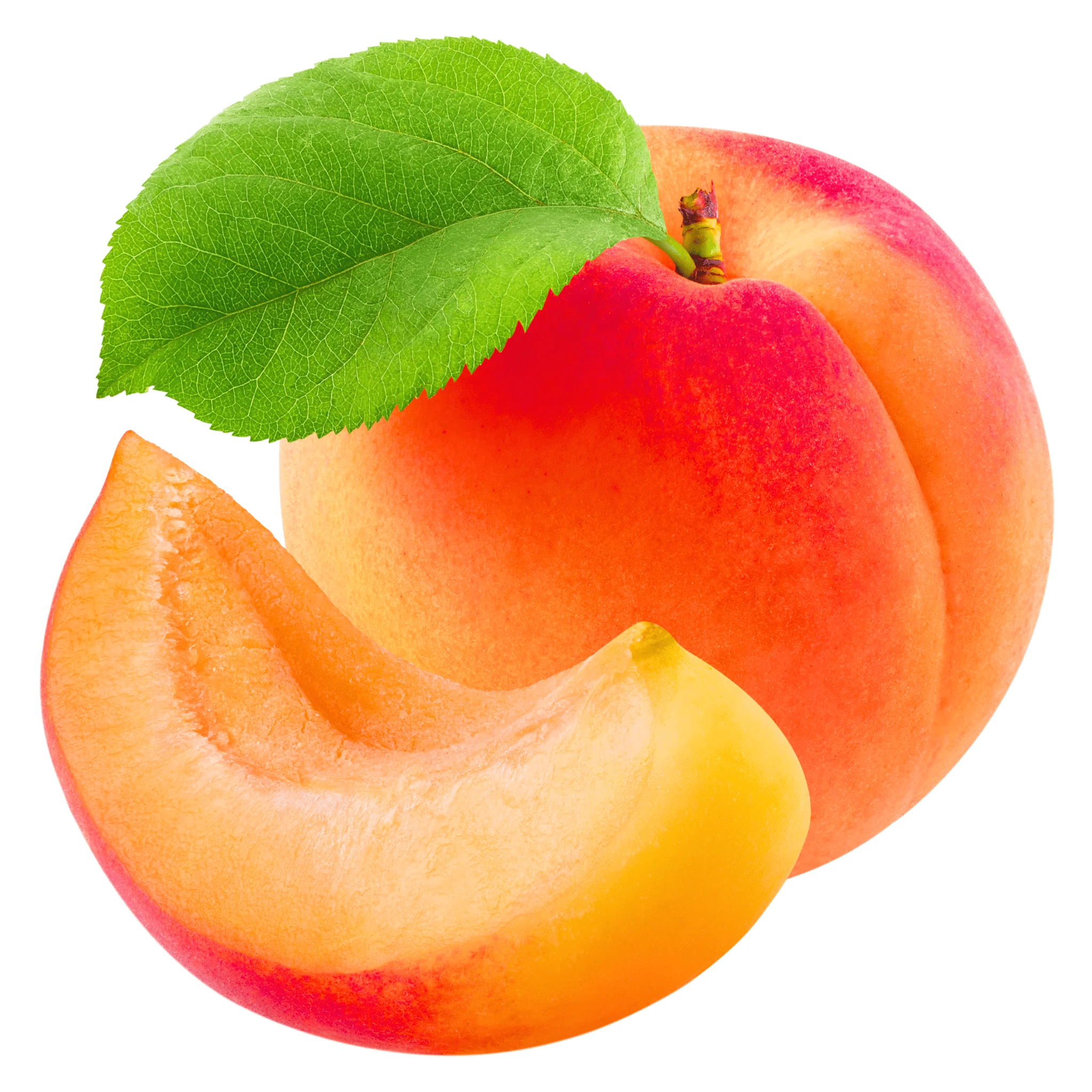
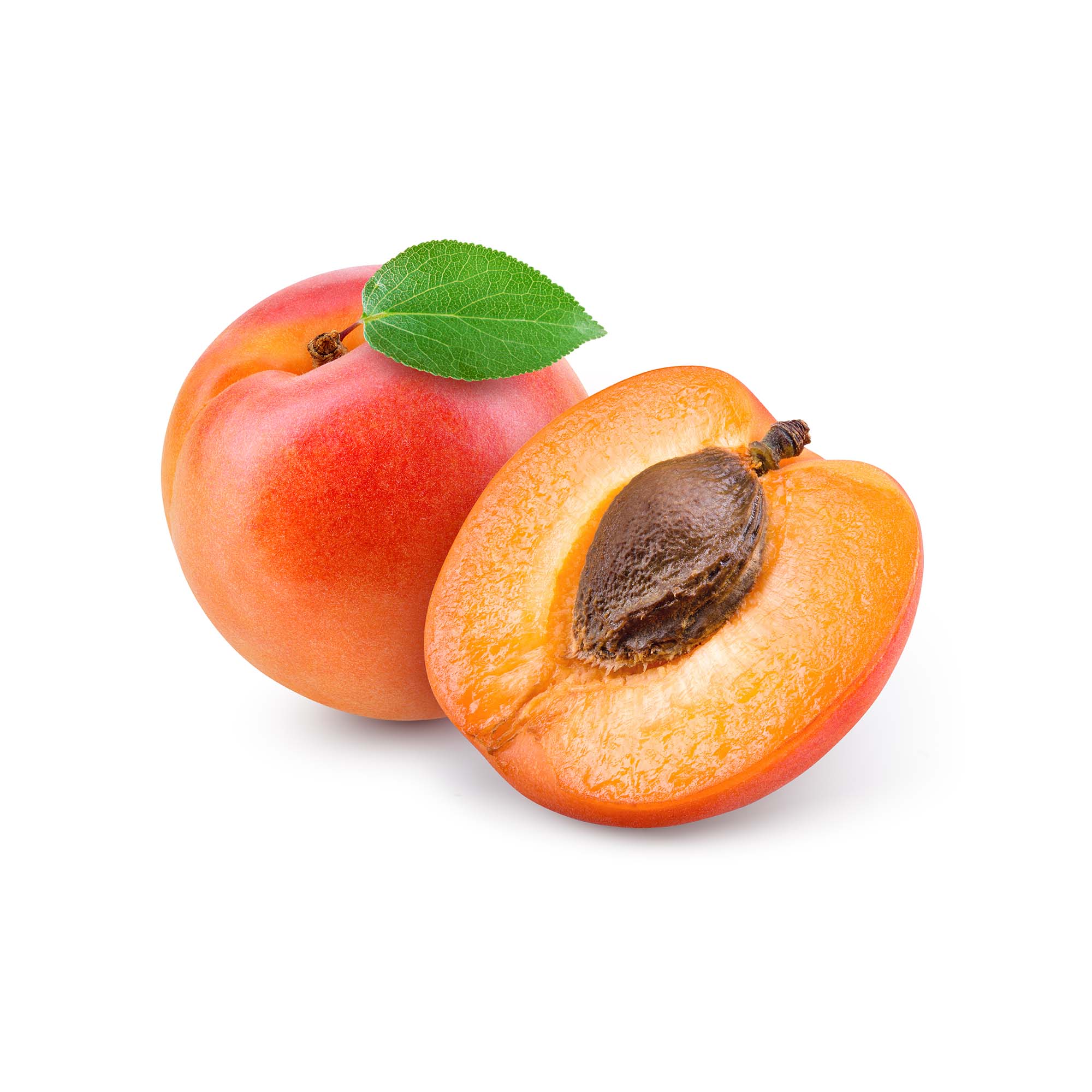
An apricot is a tree that bears the fruit, of several species in the genus Prunus. In most cases, the apricot tree is from the species Prunus armeniaca but other closely related species like P. mume and P. zhengheensis produce a similar fruit and are also called apricots. The fruit is similar to a small peach and its colour can range from yellow to dark orange.
History
Apricot is believed to be originated from areas of Eurasia, Central Asia, and China. There is evidence that apricots were cultured during ancient times in Armenia, and other sources suggested that they were cultured in India around 3000 BC. Additionally, apricots were cultured in Persia and were introduced in ancient Greece by Alexander the Great. In the 17th century, English settlers brought the apricot to the English colonies in the New World.
Regions
Nowadays, apricots are produced in many countries around the globe. The most significant producer by volume is Turkey, followed by Iran, Uzbekistan, Algeria, Italy, Pakistan, France, Morocco, Spain, and Egypt.
Flavours & Texture
In terms of taste, apricots taste both sweet and tart. Their flesh is usually firm and not very juicy with a grainy, smooth texture.
Preparation
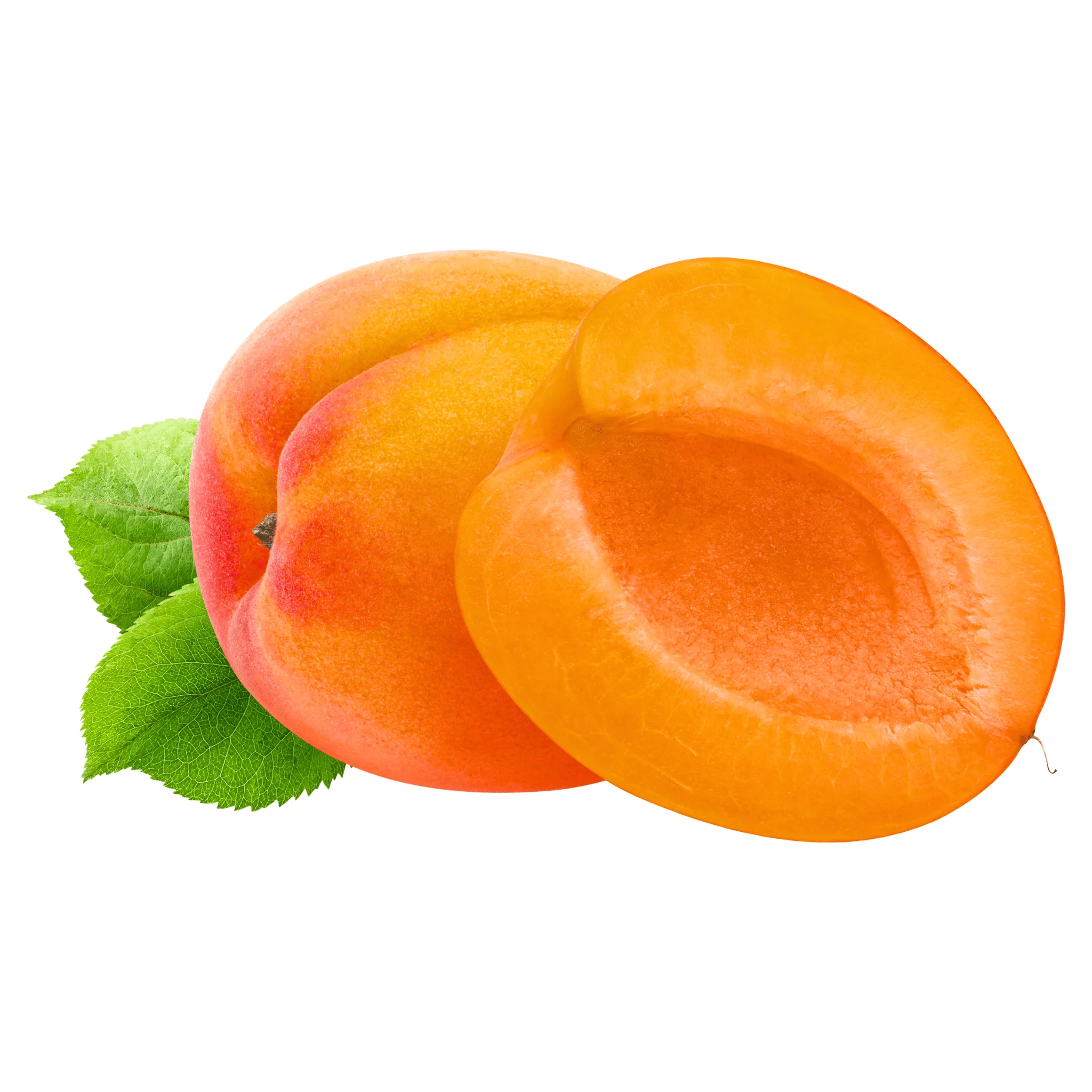
Remove pits by running a paring knife around the fruit following its natural seam, then gently twist the halves apart, and pop out the kernel. You can eat it raw, use it a fruit salad, and make juice or smoothies.
Nutritional Value
Apricots have a very good nutritional profile as they are low in calories and they are rich in vitamins and fibre.
|
Calories per 105 g |
51 kcal |
|
Fat |
0.4 g |
|
Carbohydrates |
11.7 g |
|
Fiber |
2.1 g |
|
Protein |
1.5 g |
|
Vitamin A |
39 % of the RDI |
|
Vitamin C |
17.4 % of the RDI |
|
Iron |
2.3 % of the RDI |
Original: $1.01
-65%$1.01
$0.35Product Information
Product Information
Shipping & Returns
Shipping & Returns
Description
Country of Origin: Eurasia, Central Asia, China 🇨🇳
Average Weight: 35 Grams
Introduction
An apricot is a tree that bears the fruit, of several species in the genus Prunus. In most cases, the apricot tree is from the species Prunus armeniaca but other closely related species like P. mume and P. zhengheensis produce a similar fruit and are also called apricots. The fruit is similar to a small peach and its colour can range from yellow to dark orange.
History
Apricot is believed to be originated from areas of Eurasia, Central Asia, and China. There is evidence that apricots were cultured during ancient times in Armenia, and other sources suggested that they were cultured in India around 3000 BC. Additionally, apricots were cultured in Persia and were introduced in ancient Greece by Alexander the Great. In the 17th century, English settlers brought the apricot to the English colonies in the New World.
Regions
Nowadays, apricots are produced in many countries around the globe. The most significant producer by volume is Turkey, followed by Iran, Uzbekistan, Algeria, Italy, Pakistan, France, Morocco, Spain, and Egypt.
Flavours & Texture
In terms of taste, apricots taste both sweet and tart. Their flesh is usually firm and not very juicy with a grainy, smooth texture.
Preparation
Remove pits by running a paring knife around the fruit following its natural seam, then gently twist the halves apart, and pop out the kernel. You can eat it raw, use it a fruit salad, and make juice or smoothies.
Nutritional Value
Apricots have a very good nutritional profile as they are low in calories and they are rich in vitamins and fibre.
|
Calories per 105 g |
51 kcal |
|
Fat |
0.4 g |
|
Carbohydrates |
11.7 g |
|
Fiber |
2.1 g |
|
Protein |
1.5 g |
|
Vitamin A |
39 % of the RDI |
|
Vitamin C |
17.4 % of the RDI |
|
Iron |
2.3 % of the RDI |