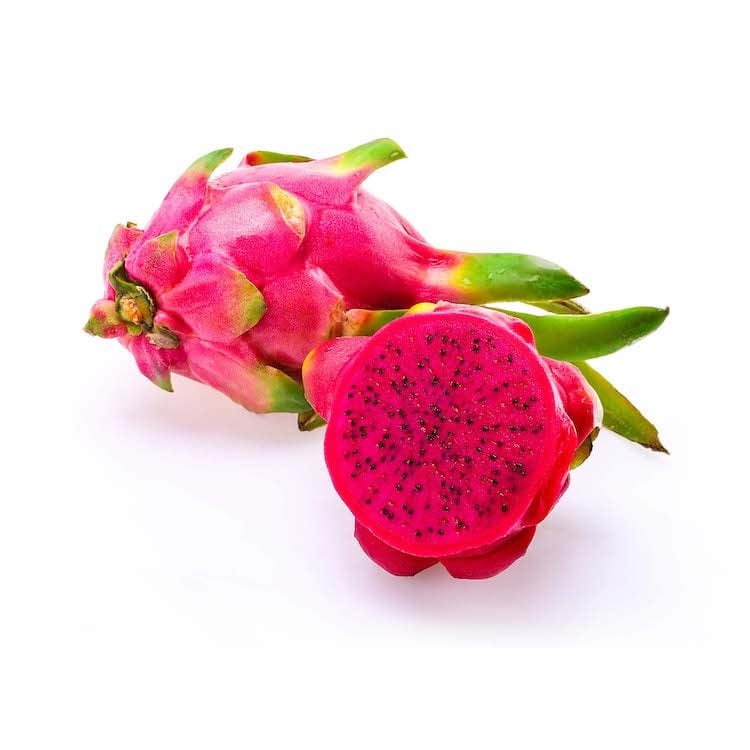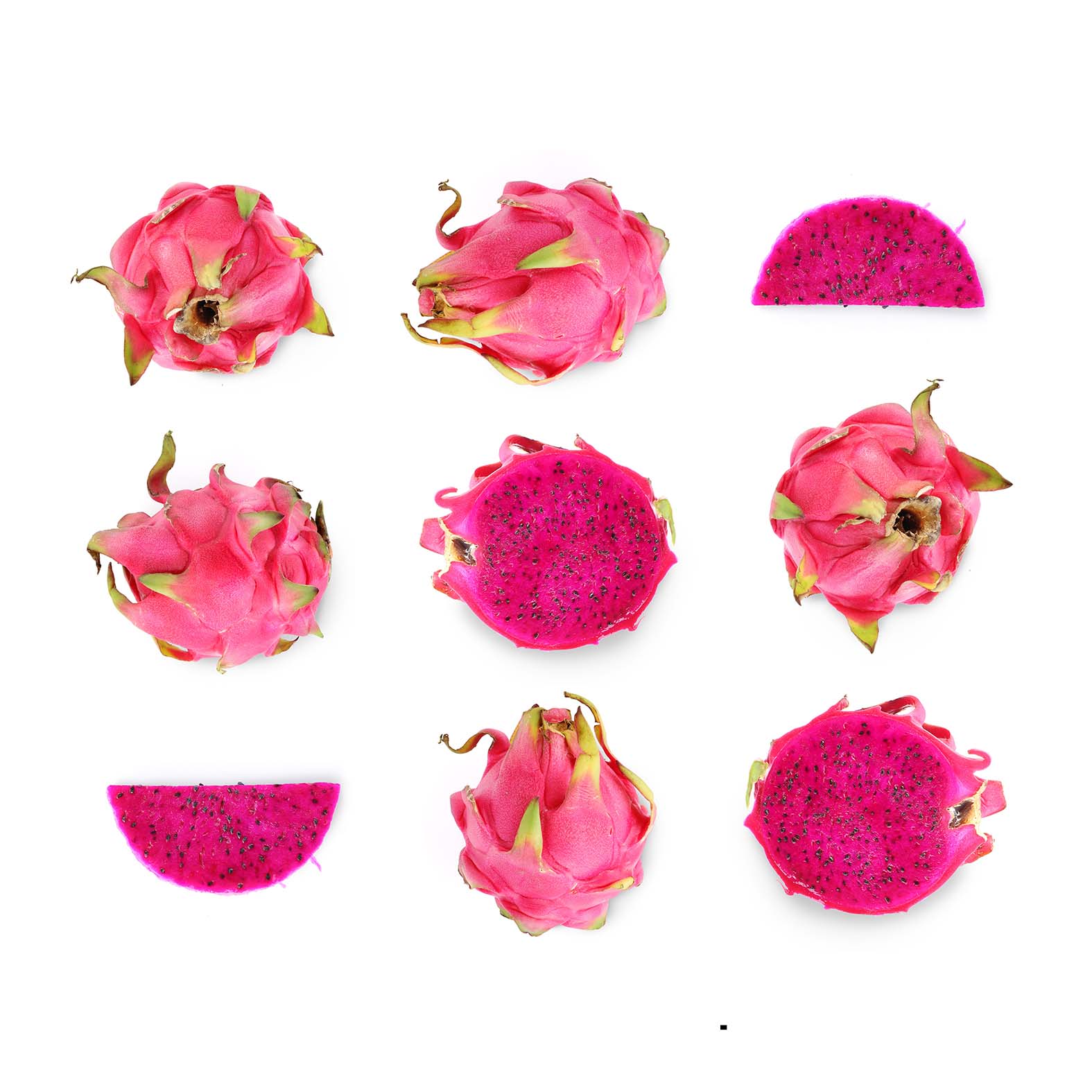
Dragon Fruit - Golden
Origin - Central America
Class - Cat 1
Average weight - 650 grams
Introduction
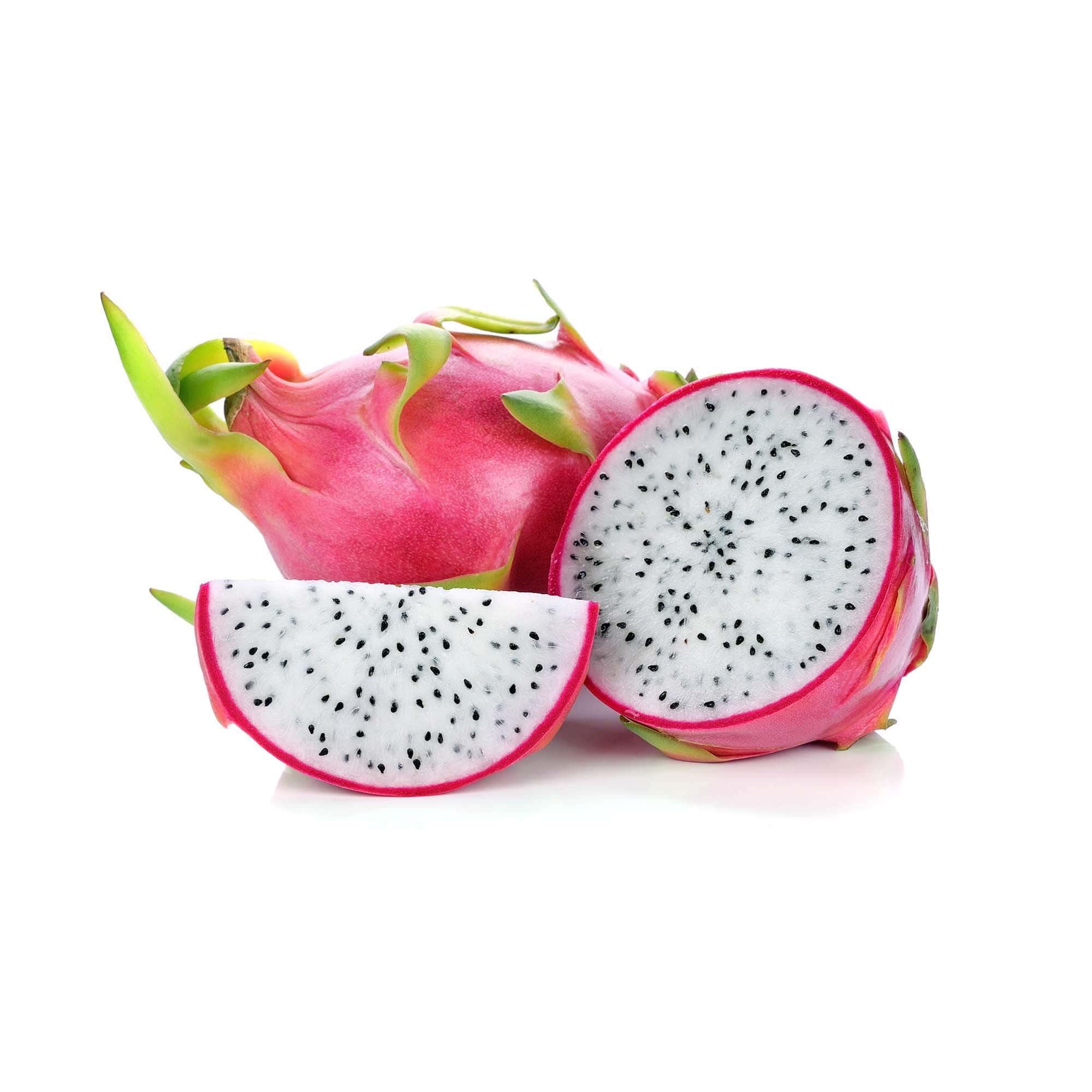
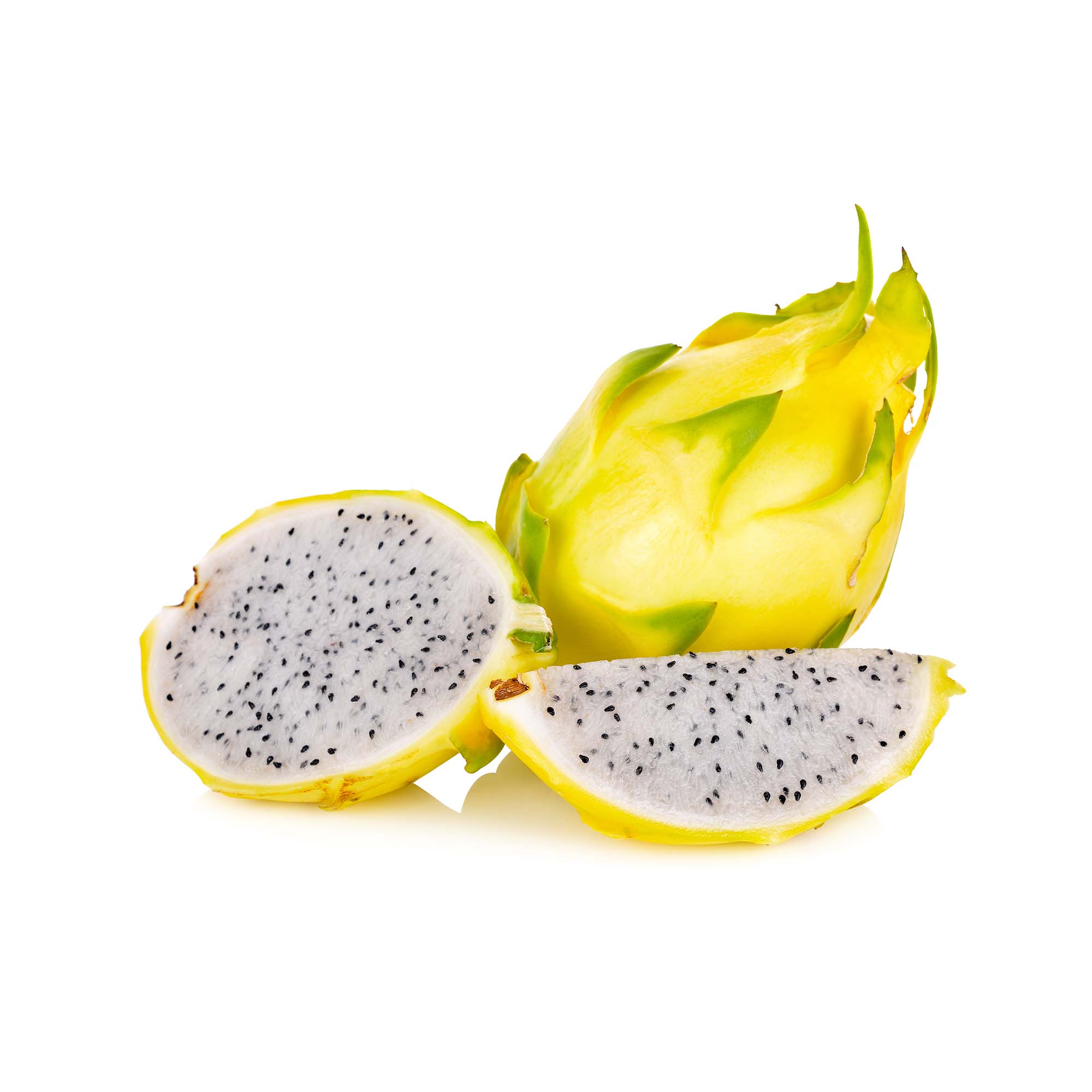
Wow, firstly, we've never seen Golden Dragon Fruit this big or this juicy. Not to be confused with the yellow pitahaya, the golden dragon fruit is actually a species of cactus which is believed to be indigenous to South East Asia. It is classified within the broad category of pitaya or pitahaya which also belong to the family Cactaceae. Dragon fruits are a distinct category of pitaya known as the sweet pitaya and they are different compared to sour pitaya variety both in taste and in texture. Sweet pitaya come in three types known as white-fleshed pitaya, red-fleshed pitaya, golden pitaya and yellow pitahaya. The golden dragon fruit is one of the least cultivated pitaya species.
History
The golden dragon fruit is believed to have originated from south east asia and is believed to be a hybrid
Regions
The golden dragon fruit is indigenous to Thailand. It is widely cultivated in tropical and subtropical regions and also like most dragon fruits it is cultivated in Australia and Southeast Asia.
Flavours & Texture
The golden dragon fruit is very sweet just like the yellow pitahaya but it has a lot more flesh very much a fruit lovers’ delight. The flesh is sweet, juicy, firm and crisp and it can be used in marmalades, soft drinks and smoothies.
Preparation
Upon receipt we recommend keeping in the refrigerator to prolong its best before date. The outer rind is not edible and whilst it does start to wilt and perish once picked from the cactus, it does a great job of protecting the edible and super juicy flesh inside. Slice it in half and then scoop out the slightly firm flesh with a spoon and eat the sweet flesh right out of the shell, or carefully use a sharp spoon to cut and remove the flesh from the skin. Then slice or cut it any way you like.
Nutritional Value
The Golden pitaya contains a variety of different nutrients and it is also a great source of fiber, iron, and magnesium.
|
Calories per 100g |
60 kcal |
|
Fat |
0 g |
|
Carbohydrates |
13 g |
|
Fiber |
3 g |
|
Protein |
1.2 g |
|
Vitamin C |
3% of the RDI |
|
Iron |
4% of the RDI |
|
Magnesium |
10% of the RDI |
Original: $13.35
-65%$13.35
$4.67Product Information
Product Information
Shipping & Returns
Shipping & Returns
Description
Origin - Central America
Class - Cat 1
Average weight - 650 grams
Introduction
Wow, firstly, we've never seen Golden Dragon Fruit this big or this juicy. Not to be confused with the yellow pitahaya, the golden dragon fruit is actually a species of cactus which is believed to be indigenous to South East Asia. It is classified within the broad category of pitaya or pitahaya which also belong to the family Cactaceae. Dragon fruits are a distinct category of pitaya known as the sweet pitaya and they are different compared to sour pitaya variety both in taste and in texture. Sweet pitaya come in three types known as white-fleshed pitaya, red-fleshed pitaya, golden pitaya and yellow pitahaya. The golden dragon fruit is one of the least cultivated pitaya species.
History
The golden dragon fruit is believed to have originated from south east asia and is believed to be a hybrid
Regions
The golden dragon fruit is indigenous to Thailand. It is widely cultivated in tropical and subtropical regions and also like most dragon fruits it is cultivated in Australia and Southeast Asia.
Flavours & Texture
The golden dragon fruit is very sweet just like the yellow pitahaya but it has a lot more flesh very much a fruit lovers’ delight. The flesh is sweet, juicy, firm and crisp and it can be used in marmalades, soft drinks and smoothies.
Preparation
Upon receipt we recommend keeping in the refrigerator to prolong its best before date. The outer rind is not edible and whilst it does start to wilt and perish once picked from the cactus, it does a great job of protecting the edible and super juicy flesh inside. Slice it in half and then scoop out the slightly firm flesh with a spoon and eat the sweet flesh right out of the shell, or carefully use a sharp spoon to cut and remove the flesh from the skin. Then slice or cut it any way you like.
Nutritional Value
The Golden pitaya contains a variety of different nutrients and it is also a great source of fiber, iron, and magnesium.
|
Calories per 100g |
60 kcal |
|
Fat |
0 g |
|
Carbohydrates |
13 g |
|
Fiber |
3 g |
|
Protein |
1.2 g |
|
Vitamin C |
3% of the RDI |
|
Iron |
4% of the RDI |
|
Magnesium |
10% of the RDI |