Grapefruit - White
Place of Origin - Barbados
Average Weight - 400 Grams
Introduction
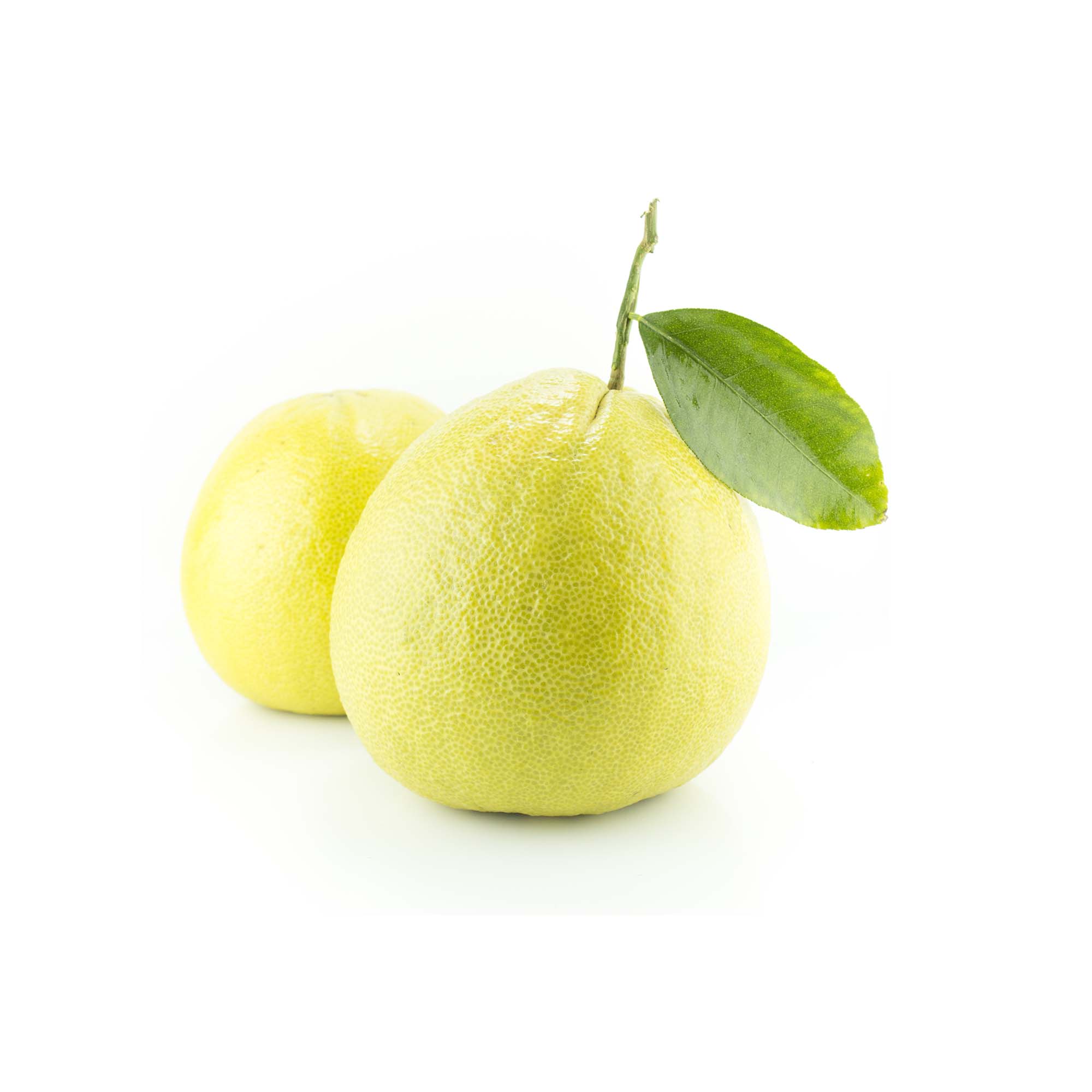
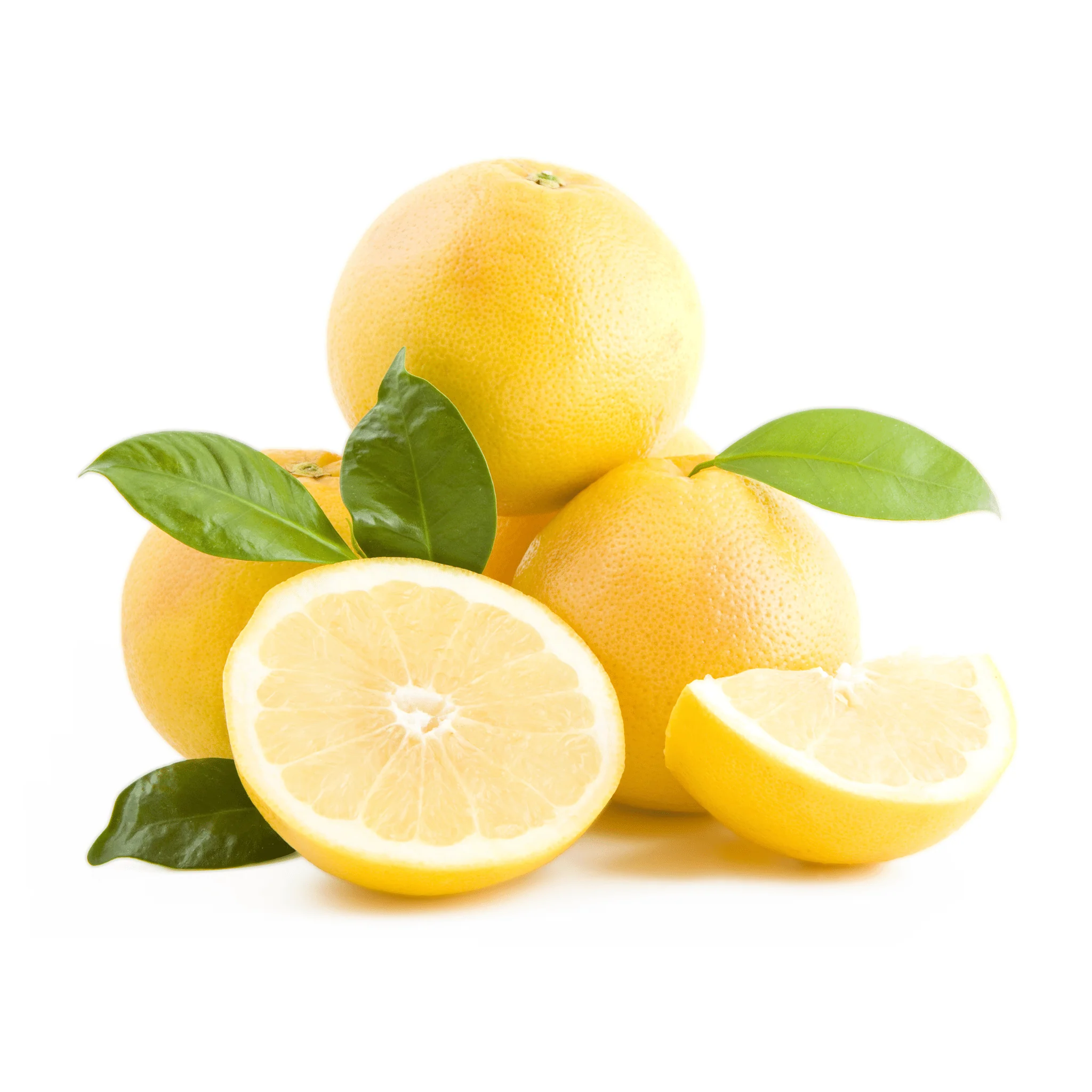
The White Grapefruit is a subtropical citrus tree that originated in Barbados in the 18th century. The fruits produced are relatively large and offer a sweet, sour, somewhat bitter flavour.
History
The history of the White Grapefruit is entwined with the broader citrus family's evolution. Citrus fruits, including grapefruits, have been cultivated for thousands of years, with their origins believed to trace back to Southeast Asia. The White Grapefruit, a variety of the grapefruit family, emerged as a distinct citrus cultivar in the 18th century. Its sweet-tart flavour and aromatic qualities quickly gained popularity, making it a cherished addition to breakfast tables and culinary creations.
Regions
White Grapefruit has a rich history of cultivation in regions with warm and sunny climates. It is believed to have originated in the Caribbean, particularly Barbados, where it was first documented in the 18th century. Today, this succulent citrus fruit thrives in various regions, including Florida, Texas, California, and the Mediterranean. Each region imparts its unique environmental nuances, resulting in subtle flavour variations that connoisseurs appreciate.
Flavours & Texture
White Grapefruit is loved for its invigorating sweet-tart flavour. Its flesh is succulent, juicy, and mildly acidic, offering a burst of citrusy freshness. The pulp is tender and easy to eat. The fruit's aroma is equally captivating, with floral and citrus notes.
Preparation
Peel off the rind and then remove the membranes in the same way that you would an orange. You can also cut it into quarters or eighths and eat it with a spoon, just like a grapefruit. You eat it raw or you can use it in fruit salads, juice, jams or in smoothies.
Nutritional Value
| Nutrition Facts | |
|---|---|
| For a Serving Size of 0.5 medium grapefruit (154g) | |
| Calories 60 | Calories from Fat 0 (0%) |
| % Daily Value * | |
| Total Fat 0g | - |
| Sodium 0mg | 0% |
| Potassium 160mg | 4% |
| Carbohydrates 15g | - |
| Net carbs 13g | - |
| Sugar 11g | - |
| Fiber 2g | 8% |
| Protein 1g | |
| Vitamins and minerals | |
| Vitamin A 525μg | 59% |
| Vitamin C 60mg | 101% |
| Calcium 40mg | 4% |
| Iron 0mg | 0% |
| Fatty acids | |
| Amino acids | |
| * The Percent Daily Values are based on a 2,000 calorie diet, so your values may change depending on your calorie needs. | |
Original: $2.35
-65%$2.35
$0.82Product Information
Product Information
Shipping & Returns
Shipping & Returns
Description
Place of Origin - Barbados
Average Weight - 400 Grams
Introduction
The White Grapefruit is a subtropical citrus tree that originated in Barbados in the 18th century. The fruits produced are relatively large and offer a sweet, sour, somewhat bitter flavour.
History
The history of the White Grapefruit is entwined with the broader citrus family's evolution. Citrus fruits, including grapefruits, have been cultivated for thousands of years, with their origins believed to trace back to Southeast Asia. The White Grapefruit, a variety of the grapefruit family, emerged as a distinct citrus cultivar in the 18th century. Its sweet-tart flavour and aromatic qualities quickly gained popularity, making it a cherished addition to breakfast tables and culinary creations.
Regions
White Grapefruit has a rich history of cultivation in regions with warm and sunny climates. It is believed to have originated in the Caribbean, particularly Barbados, where it was first documented in the 18th century. Today, this succulent citrus fruit thrives in various regions, including Florida, Texas, California, and the Mediterranean. Each region imparts its unique environmental nuances, resulting in subtle flavour variations that connoisseurs appreciate.
Flavours & Texture
White Grapefruit is loved for its invigorating sweet-tart flavour. Its flesh is succulent, juicy, and mildly acidic, offering a burst of citrusy freshness. The pulp is tender and easy to eat. The fruit's aroma is equally captivating, with floral and citrus notes.
Preparation
Peel off the rind and then remove the membranes in the same way that you would an orange. You can also cut it into quarters or eighths and eat it with a spoon, just like a grapefruit. You eat it raw or you can use it in fruit salads, juice, jams or in smoothies.
Nutritional Value
| Nutrition Facts | |
|---|---|
| For a Serving Size of 0.5 medium grapefruit (154g) | |
| Calories 60 | Calories from Fat 0 (0%) |
| % Daily Value * | |
| Total Fat 0g | - |
| Sodium 0mg | 0% |
| Potassium 160mg | 4% |
| Carbohydrates 15g | - |
| Net carbs 13g | - |
| Sugar 11g | - |
| Fiber 2g | 8% |
| Protein 1g | |
| Vitamins and minerals | |
| Vitamin A 525μg | 59% |
| Vitamin C 60mg | 101% |
| Calcium 40mg | 4% |
| Iron 0mg | 0% |
| Fatty acids | |
| Amino acids | |
| * The Percent Daily Values are based on a 2,000 calorie diet, so your values may change depending on your calorie needs. | |