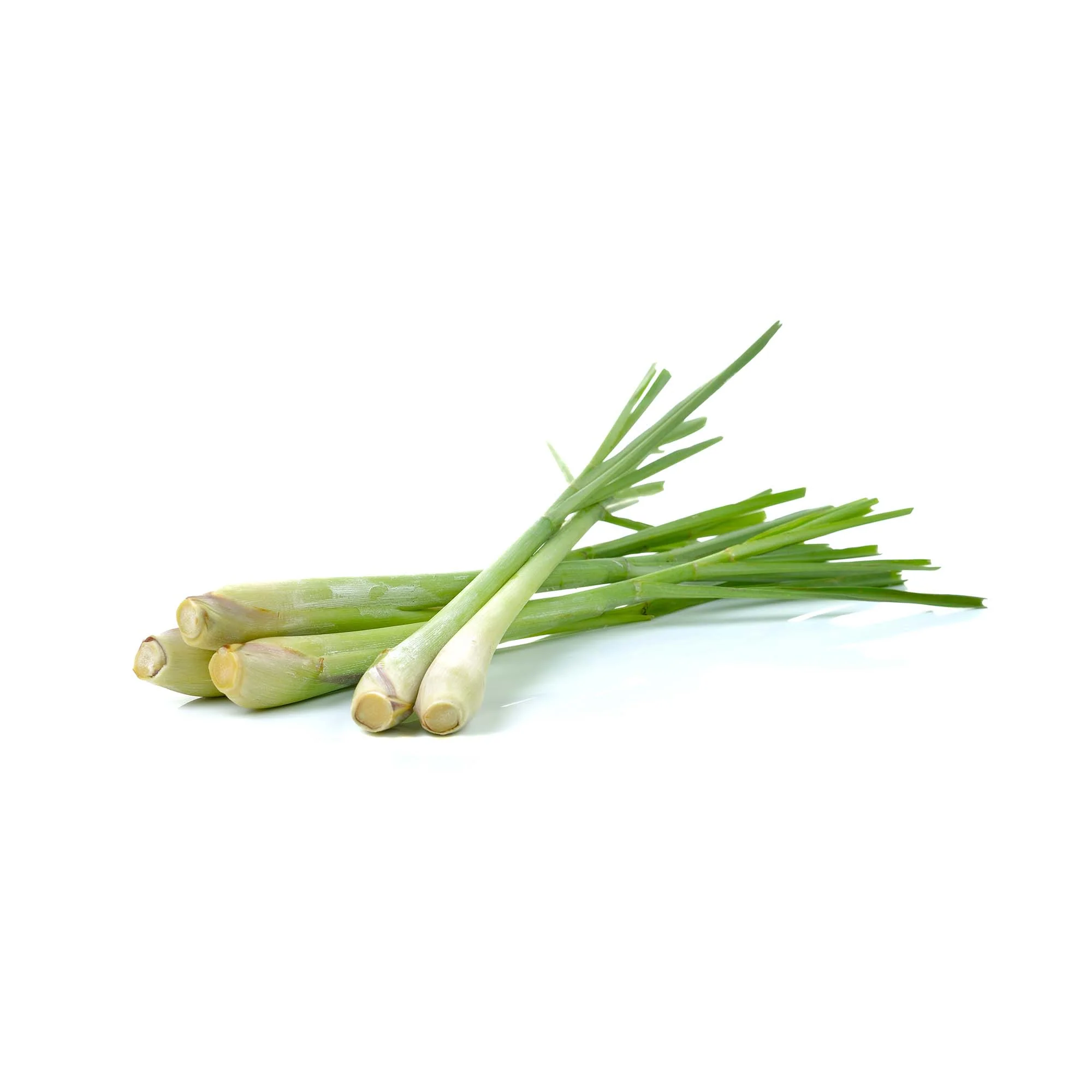
Lemon Grass
Country of Origin - Southeast Asia
Class / Cat - CAT 1
Average Weight - 150 Grams per unit
Introduction
Discover the captivating aroma and unique flavours of Lemongrass, an herb that adds a touch of freshness and zest to culinary creations. With its citrusy fragrance and versatile nature, Lemongrass has become a beloved ingredient in cuisines around the world.
History
Lemongrass has a rich history that traces its origins to Southeast Asia, particularly in regions such as Thailand, Vietnam, and Indonesia. It has been used for centuries in traditional medicine and cooking, thanks to its remarkable aromatic and therapeutic properties. Over time, Lemongrass spread to various parts of the world, becoming a popular addition to global culinary practices.
Regions
Lemongrass is native to the tropical regions of Southeast Asia, where it thrives in warm and humid climates. Today, it is cultivated in many countries worldwide, including India, Sri Lanka, Brazil, and parts of Africa. The diverse regions contribute to subtle variations in taste and aroma, resulting in an herb that has a range of influences on different cuisines.
Flavours & Texture
Lemongrass is renowned for its fresh and citrusy flavours, with a hint of lemon and herbal undertones. Its long, fibrous stalks are firm and offer a satisfying crunch when cooked properly. When infused in dishes, it imparts a distinct aroma and imparts a subtle, tangy flavour that enhances the overall taste profile of the dish. Its vibrant and refreshing qualities make it an essential ingredient in numerous culinary delights.
Preparation
Start by removing the tough outer layers of the stalks to reveal the tender core. The lower part of the stalk, usually the bottom third, is the most tender and flavourful. Slice the stalk into thin rings or chop it finely, depending on the recipe requirements. Lemongrass is commonly used in soups, curries, stir-fries, marinades, and teas. It can be added whole to infuse flavour or removed before serving, depending on personal preference.
Nutritional Value
Lemongrass has a high water content, and its natural compounds are known for their potential anti-inflammatory and antioxidant properties.
|
Calories per 100 g |
112 |
|
Fat |
0.5g |
|
Carbohydrates |
25.3g |
|
Fibre |
0g |
|
Protein |
1.8g |
Original: $3.69
-65%$3.69
$1.29Product Information
Product Information
Shipping & Returns
Shipping & Returns
Description
Country of Origin - Southeast Asia
Class / Cat - CAT 1
Average Weight - 150 Grams per unit
Introduction
Discover the captivating aroma and unique flavours of Lemongrass, an herb that adds a touch of freshness and zest to culinary creations. With its citrusy fragrance and versatile nature, Lemongrass has become a beloved ingredient in cuisines around the world.
History
Lemongrass has a rich history that traces its origins to Southeast Asia, particularly in regions such as Thailand, Vietnam, and Indonesia. It has been used for centuries in traditional medicine and cooking, thanks to its remarkable aromatic and therapeutic properties. Over time, Lemongrass spread to various parts of the world, becoming a popular addition to global culinary practices.
Regions
Lemongrass is native to the tropical regions of Southeast Asia, where it thrives in warm and humid climates. Today, it is cultivated in many countries worldwide, including India, Sri Lanka, Brazil, and parts of Africa. The diverse regions contribute to subtle variations in taste and aroma, resulting in an herb that has a range of influences on different cuisines.
Flavours & Texture
Lemongrass is renowned for its fresh and citrusy flavours, with a hint of lemon and herbal undertones. Its long, fibrous stalks are firm and offer a satisfying crunch when cooked properly. When infused in dishes, it imparts a distinct aroma and imparts a subtle, tangy flavour that enhances the overall taste profile of the dish. Its vibrant and refreshing qualities make it an essential ingredient in numerous culinary delights.
Preparation
Start by removing the tough outer layers of the stalks to reveal the tender core. The lower part of the stalk, usually the bottom third, is the most tender and flavourful. Slice the stalk into thin rings or chop it finely, depending on the recipe requirements. Lemongrass is commonly used in soups, curries, stir-fries, marinades, and teas. It can be added whole to infuse flavour or removed before serving, depending on personal preference.
Nutritional Value
Lemongrass has a high water content, and its natural compounds are known for their potential anti-inflammatory and antioxidant properties.
|
Calories per 100 g |
112 |
|
Fat |
0.5g |
|
Carbohydrates |
25.3g |
|
Fibre |
0g |
|
Protein |
1.8g |