Longan
Country of Origin - China 🇨🇳
Average Weight - 10-15 Grams per fruit
Introduction
Longan is a captivating fruit renowned for its exquisite flavours. It's delicately sweet and juicy, wonderfully nutrient-rich, and holds a beautiful history. Longan fruits grow on a subtropical and tropical evergreen tree in warm climates around the world. It has been cultivated and enjoyed for for over 2,000 years.
History
Longan fruit, scientifically known as Dimocarpus longan, has a rich historical background that dates back thousands of years. Originating from the tropical regions of Southeast Asia, particularly China and Thailand, it has been cherished for its remarkable taste and medicinal properties throughout ancient times. Longan has long been associated with good fortune and is often considered a symbol of abundance and longevity.
Regions
Longan originated in the southern provinces of China, and it is still extensively grown in this region today. It has also spread to various parts of Southeast Asia, including Thailand, Vietnam, and Malaysia, where it thrives in the warm and humid climates. Other regions, such as Australia, Hawaii, and Florida, have also embraced Longan cultivation, adapting to the tropical conditions and producing their own varieties of this luscious fruit.
Flavours & Texture
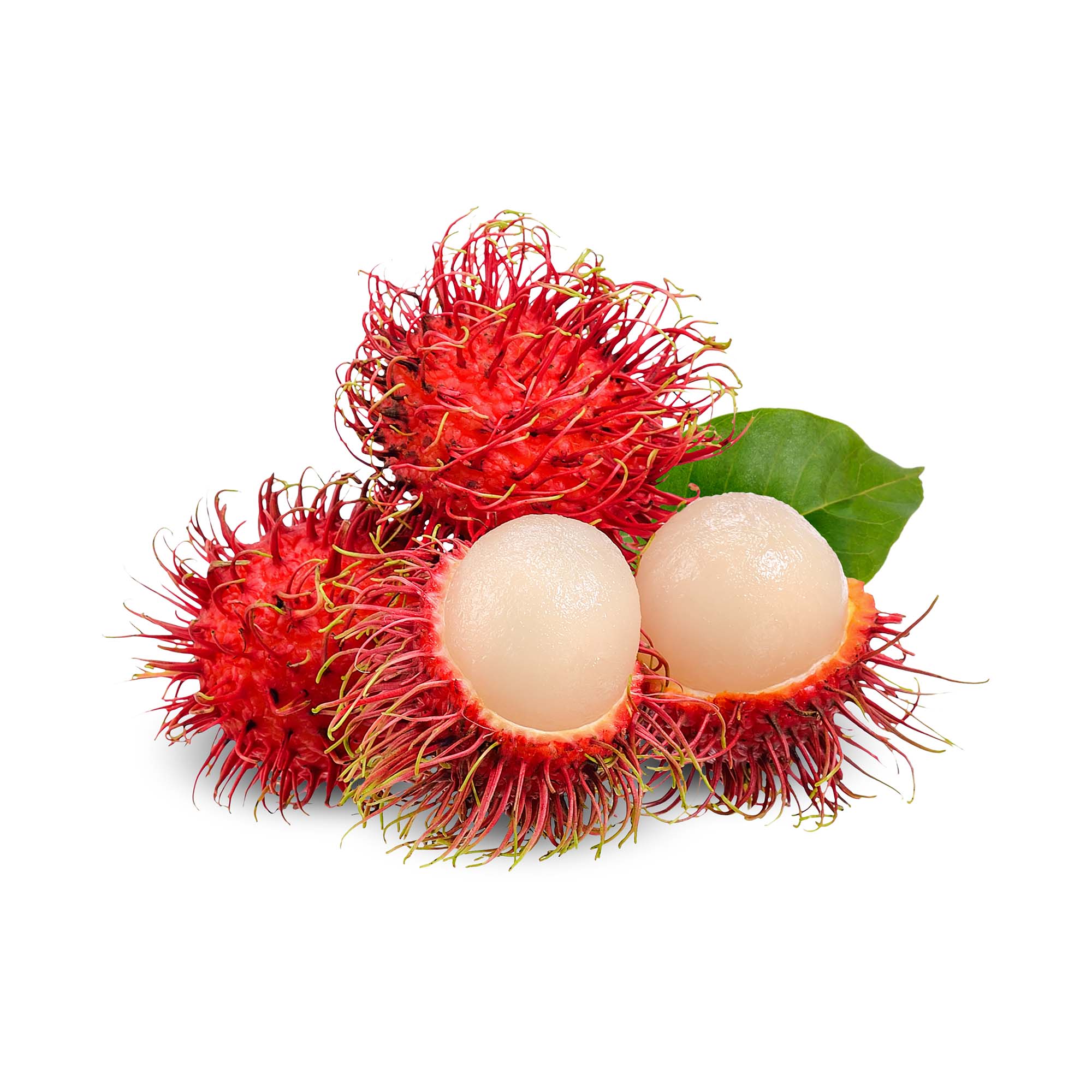
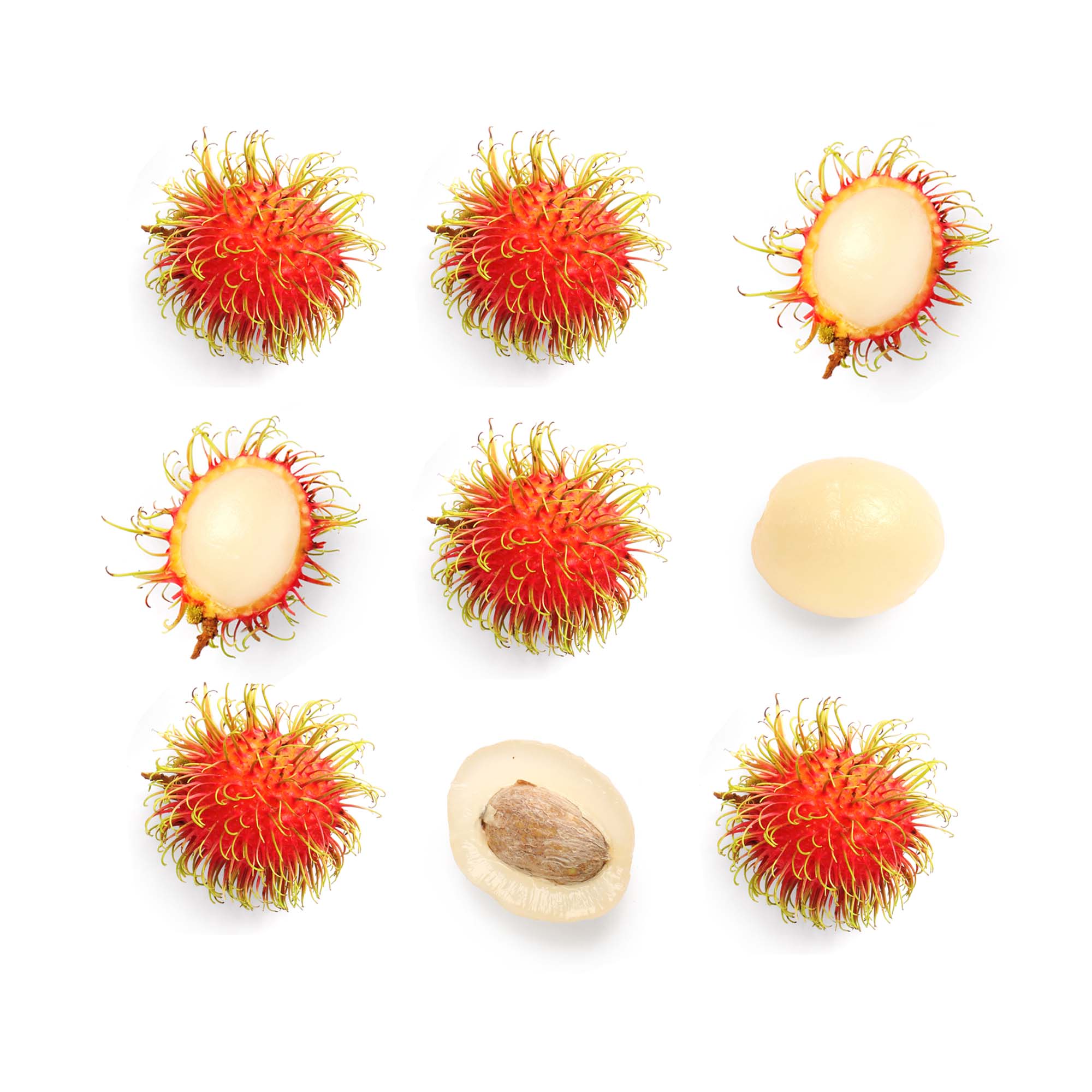
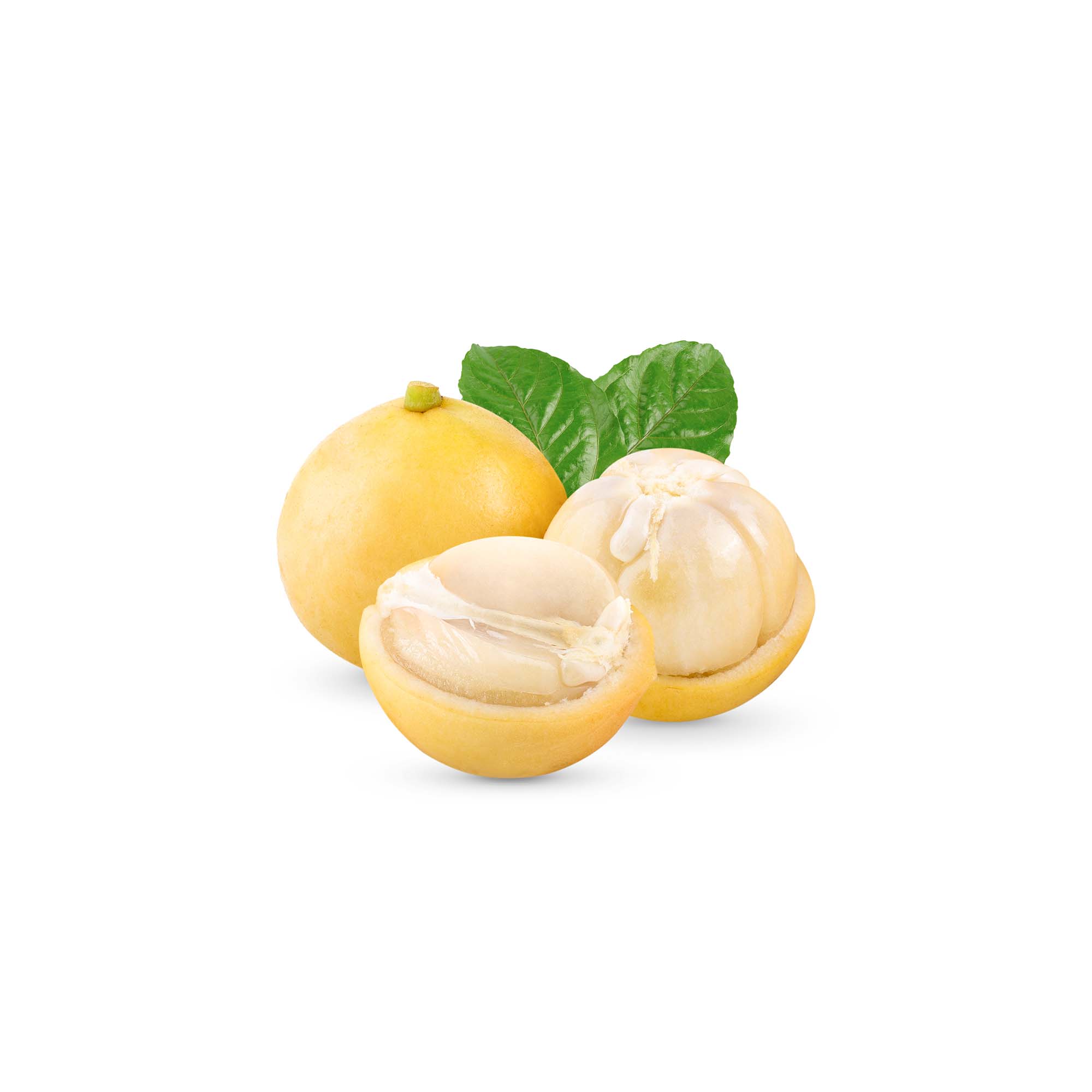
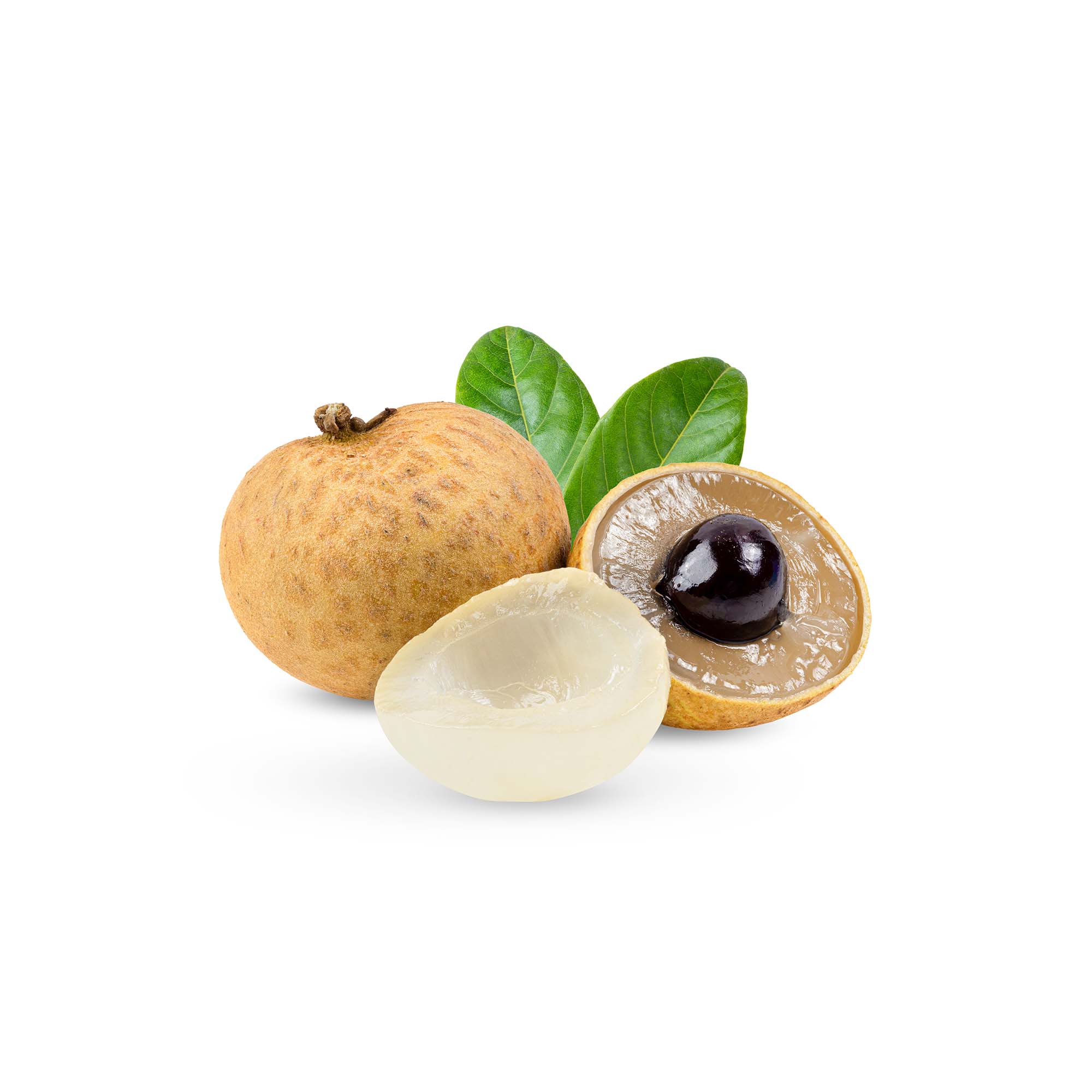
Longan offers a delightful combination of sweetness with subtle floral undertones, reminiscent of lychee and grapes. Its translucent, jelly-like flesh is succulent and juicy, encasing a small, shiny black seed at the centre. Longan's texture is tender and slightly firm, providing a satisfying burst of juiciness with every bite.
Preparation
Start by gently cracking the thin, brittle shell of the fruit using your fingertips or a small knife. Once open, the succulent flesh is ready to be enjoyed. It's not recommended to eat the seed in the centre.
Nutritional Value
Longan is very nutrient-rich. It contains lots of vitamin C and potassium.
|
Calories per 100 g |
60 Kcal |
|
Fat |
0.1 g |
|
Carbohydrates |
15 g |
|
Fibre |
1.1 g |
|
Protein |
1.3 g |
Original: $10.67
-65%$10.67
$3.73Product Information
Product Information
Shipping & Returns
Shipping & Returns
Description
Country of Origin - China 🇨🇳
Average Weight - 10-15 Grams per fruit
Introduction
Longan is a captivating fruit renowned for its exquisite flavours. It's delicately sweet and juicy, wonderfully nutrient-rich, and holds a beautiful history. Longan fruits grow on a subtropical and tropical evergreen tree in warm climates around the world. It has been cultivated and enjoyed for for over 2,000 years.
History
Longan fruit, scientifically known as Dimocarpus longan, has a rich historical background that dates back thousands of years. Originating from the tropical regions of Southeast Asia, particularly China and Thailand, it has been cherished for its remarkable taste and medicinal properties throughout ancient times. Longan has long been associated with good fortune and is often considered a symbol of abundance and longevity.
Regions
Longan originated in the southern provinces of China, and it is still extensively grown in this region today. It has also spread to various parts of Southeast Asia, including Thailand, Vietnam, and Malaysia, where it thrives in the warm and humid climates. Other regions, such as Australia, Hawaii, and Florida, have also embraced Longan cultivation, adapting to the tropical conditions and producing their own varieties of this luscious fruit.
Flavours & Texture
Longan offers a delightful combination of sweetness with subtle floral undertones, reminiscent of lychee and grapes. Its translucent, jelly-like flesh is succulent and juicy, encasing a small, shiny black seed at the centre. Longan's texture is tender and slightly firm, providing a satisfying burst of juiciness with every bite.
Preparation
Start by gently cracking the thin, brittle shell of the fruit using your fingertips or a small knife. Once open, the succulent flesh is ready to be enjoyed. It's not recommended to eat the seed in the centre.
Nutritional Value
Longan is very nutrient-rich. It contains lots of vitamin C and potassium.
|
Calories per 100 g |
60 Kcal |
|
Fat |
0.1 g |
|
Carbohydrates |
15 g |
|
Fibre |
1.1 g |
|
Protein |
1.3 g |