Lucuma
Country of Origin - Peru, South America 🇵🇪
Average Weight - 400 Grams per fruit
Introduction
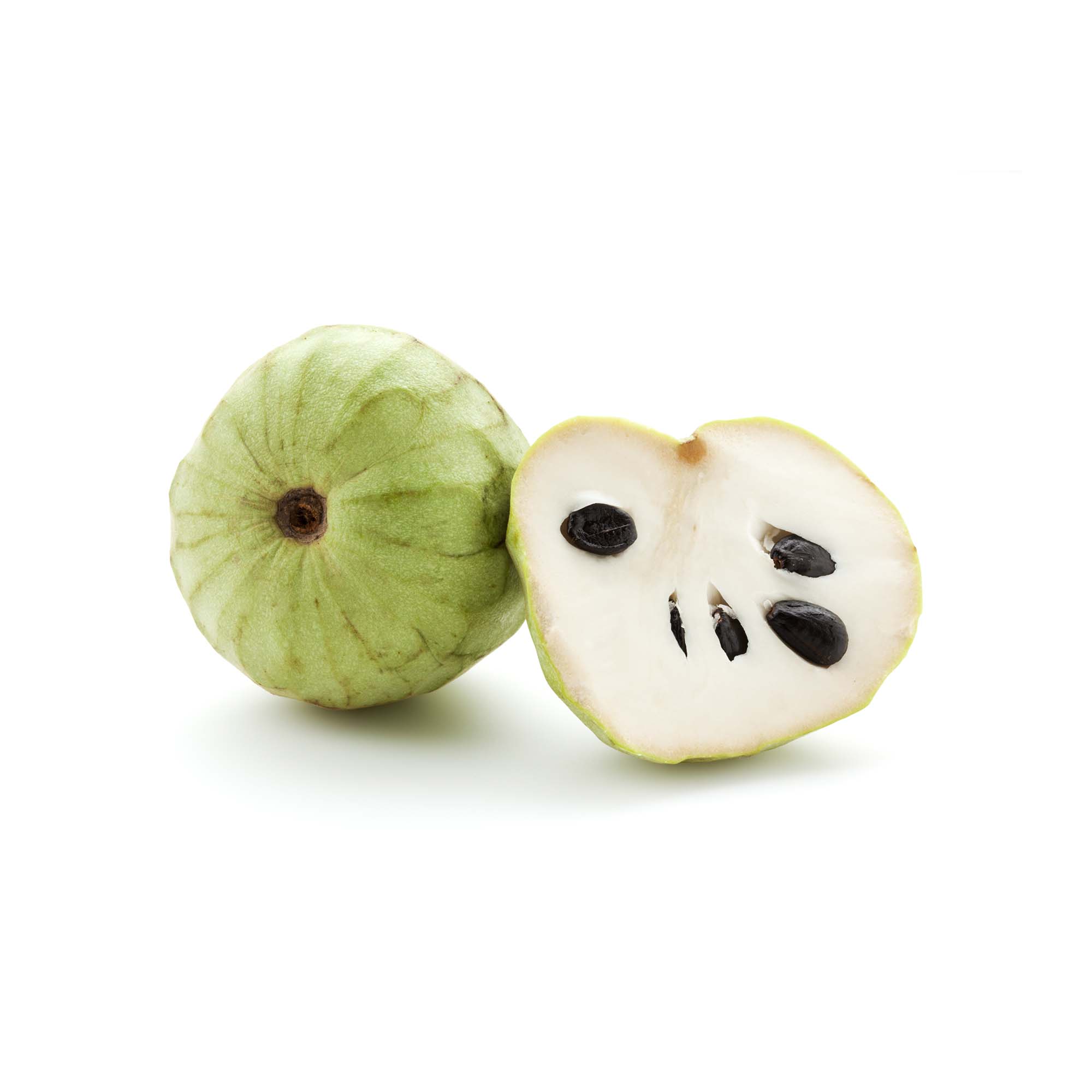
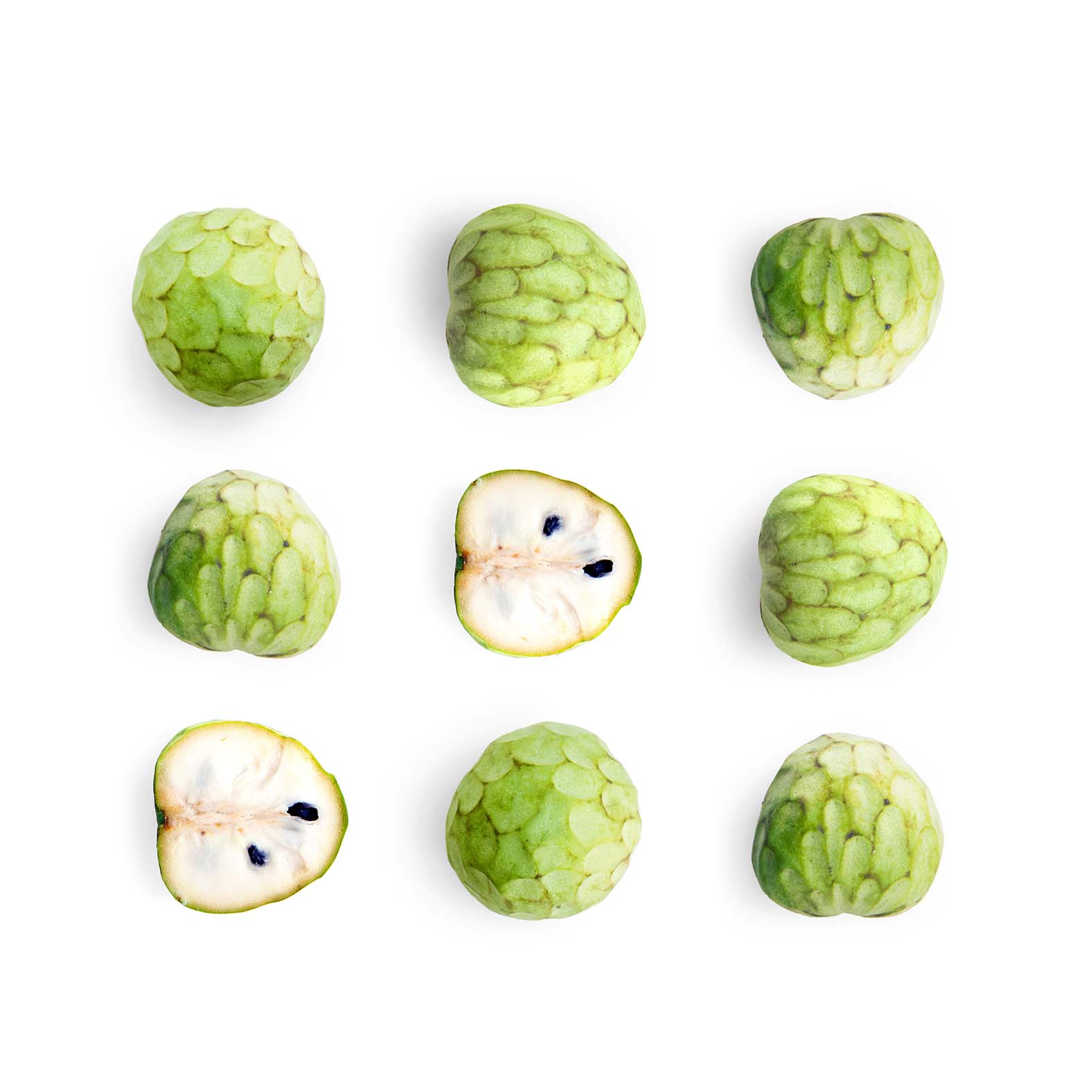
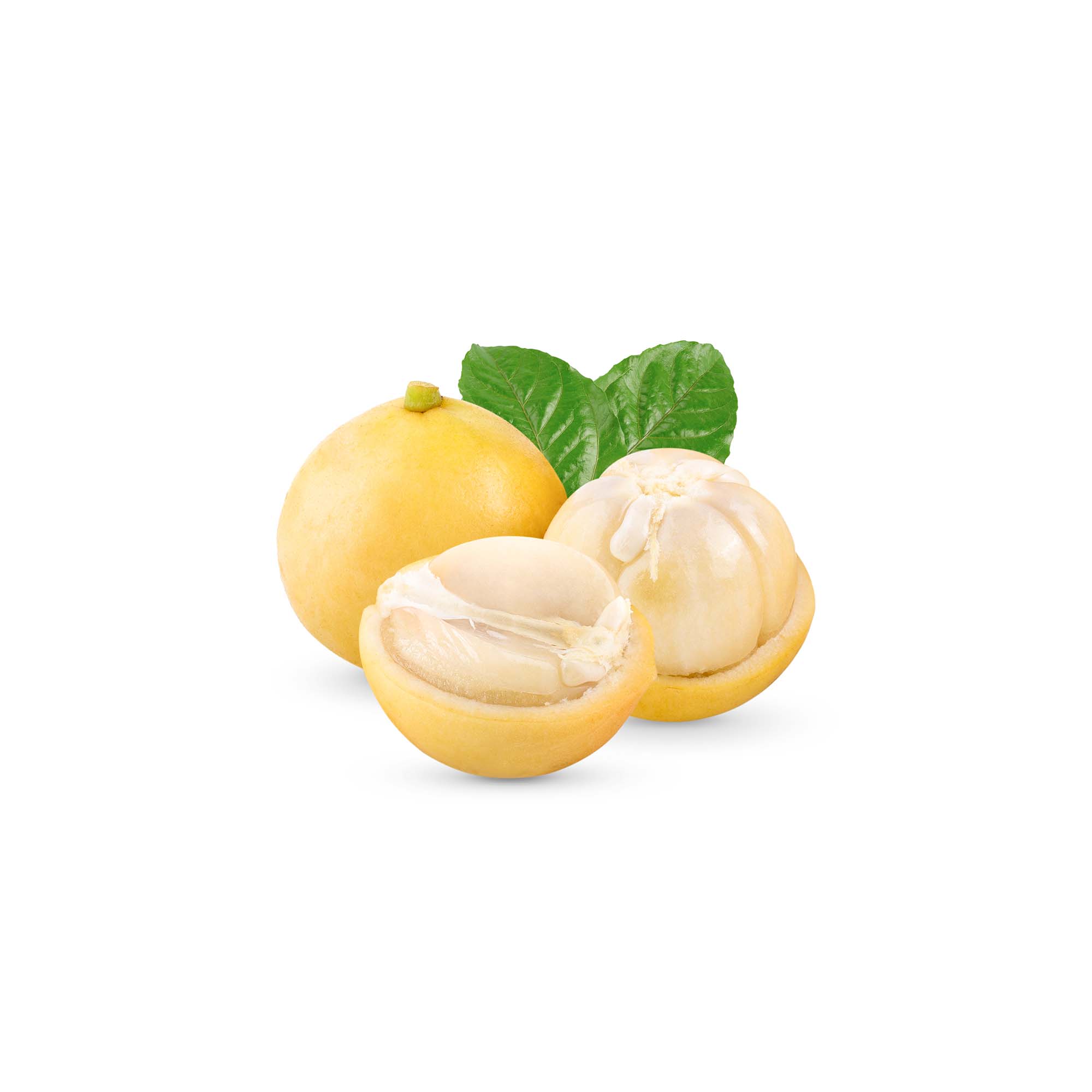
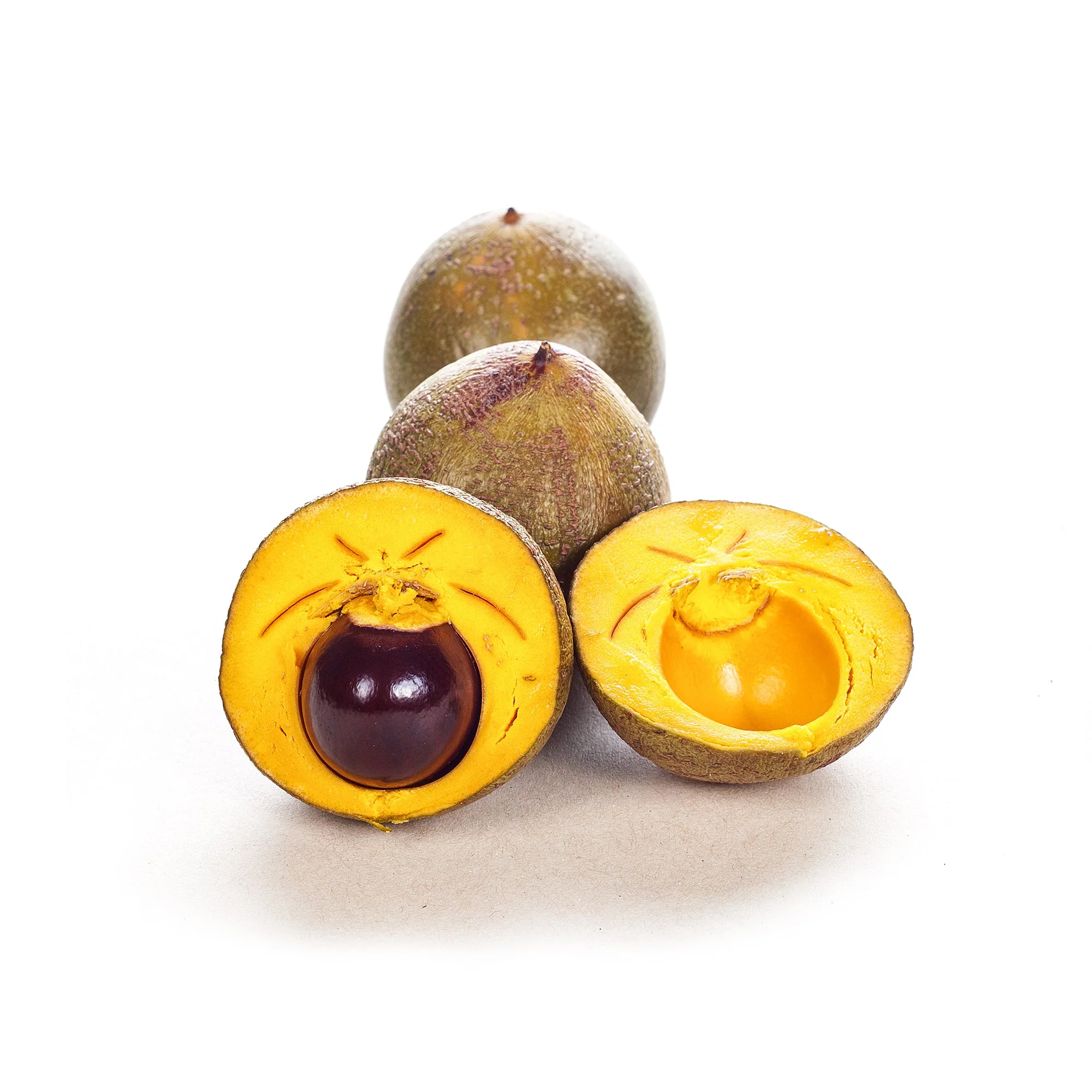
From South America, Lucuma has a sweet yellow flesh with a dry texture and a flavour that's often compared to a blend of sweet potato and butterscotch.
History
Lucuma holds a fascinating historical significance that dates back thousands of years. Native to the Andean regions of South America, this fruit has been cherished by ancient civilisations such as the Incas and the Moche people.
The Moche people were an indigenous Andean civilisation in the 1500's who cultivated Lucuma, along with corn, quinoa, and beans. Lucuma was a key source of nutrients in times of drought and famine and was honoured in festivals, used medicinally, and shown artistically as a sacred food.
Amongst other civilisations, Lucuma was revered for its unique taste and nutritional properties, and was considered a symbol of fertility and longevity. Its use in traditional rituals and culinary creations is a testament to its enduring legacy.
Regions
Lucuma originates from the Andean valleys of Peru in South America, where it has been cultivated for centuries. Today, it continues to thrive in the mountainous regions of Peru, as well as in other South American countries like Ecuador and Chile. These diverse regions provide ideal conditions for Lucuma trees to flourish, ensuring the availability of this exquisite fruit.
Flavours & Texture
Lucuma has a distinctive, unique, and delicious flavour profile. Its golden-yellow flesh offers a delightful combination of sweet caramel and maple undertones, with hints of butterscotch. The texture is smooth and creamy, reminiscent of a dense custard or sweet potato. The harmonious balance of flavours and the velvety texture make Lucuma an exceptional treat for those seeking a unique experience.
Preparation
To enjoy Lucuma, begin by removing the skin and seeds. The soft flesh can be enjoyed as is or incorporated into various culinary delights. Blend Lucuma into smoothies, milkshakes, or ice creams for a luscious and exotic twist. It can also be used as a flavouring agent in cakes, pastries, and desserts, adding a heavenly sweetness to every bite.
Nutritional Value
Lucuma fruit is a good source of fibre, minerals, β-carotene, phenolics and niacin.
|
Calories per 100 g |
140 Kcal |
|
Fat |
0.2 g |
|
Carbohydrates |
33 g |
|
Fibre |
1.1 g |
|
Protein |
2.3 g |
Original: $14.70
-65%$14.70
$5.14Product Information
Product Information
Shipping & Returns
Shipping & Returns
Description
Country of Origin - Peru, South America 🇵🇪
Average Weight - 400 Grams per fruit
Introduction
From South America, Lucuma has a sweet yellow flesh with a dry texture and a flavour that's often compared to a blend of sweet potato and butterscotch.
History
Lucuma holds a fascinating historical significance that dates back thousands of years. Native to the Andean regions of South America, this fruit has been cherished by ancient civilisations such as the Incas and the Moche people.
The Moche people were an indigenous Andean civilisation in the 1500's who cultivated Lucuma, along with corn, quinoa, and beans. Lucuma was a key source of nutrients in times of drought and famine and was honoured in festivals, used medicinally, and shown artistically as a sacred food.
Amongst other civilisations, Lucuma was revered for its unique taste and nutritional properties, and was considered a symbol of fertility and longevity. Its use in traditional rituals and culinary creations is a testament to its enduring legacy.
Regions
Lucuma originates from the Andean valleys of Peru in South America, where it has been cultivated for centuries. Today, it continues to thrive in the mountainous regions of Peru, as well as in other South American countries like Ecuador and Chile. These diverse regions provide ideal conditions for Lucuma trees to flourish, ensuring the availability of this exquisite fruit.
Flavours & Texture
Lucuma has a distinctive, unique, and delicious flavour profile. Its golden-yellow flesh offers a delightful combination of sweet caramel and maple undertones, with hints of butterscotch. The texture is smooth and creamy, reminiscent of a dense custard or sweet potato. The harmonious balance of flavours and the velvety texture make Lucuma an exceptional treat for those seeking a unique experience.
Preparation
To enjoy Lucuma, begin by removing the skin and seeds. The soft flesh can be enjoyed as is or incorporated into various culinary delights. Blend Lucuma into smoothies, milkshakes, or ice creams for a luscious and exotic twist. It can also be used as a flavouring agent in cakes, pastries, and desserts, adding a heavenly sweetness to every bite.
Nutritional Value
Lucuma fruit is a good source of fibre, minerals, β-carotene, phenolics and niacin.
|
Calories per 100 g |
140 Kcal |
|
Fat |
0.2 g |
|
Carbohydrates |
33 g |
|
Fibre |
1.1 g |
|
Protein |
2.3 g |