Lulo
Country of Origin - Andean region of South America
Average Weight - x
Introduction
Welcome to the world of luscious flavors and vibrant colors with Lulo, an extraordinary exotic fruit. Lulo, scientifically known as Solanum quitoense, is bursting with tropical goodness, and is a true delight for fruit enthusiasts seeking new and exciting experiences.
History
Lulo has a fascinating history deeply rooted in the Andean region of South America. Native to the highlands of Colombia, Ecuador, and Peru, this fruit has been cherished for centuries by indigenous communities for its captivating attributes and nutritional benefits. It has long been a staple in the traditional cuisine and folklore of these regions.
Regions
Lulo originated in the Andean region, particularly in the countries of Colombia, Ecuador, and Peru. Here, it thrives in the tropical climate and fertile soils, benefiting from the high altitude and ample sunshine. Today, lulo is also cultivated in other parts of the world, including countries like Brazil, Costa Rica, and Mexico, where its cultivation has spread due to its growing popularity.
Flavours & Texture
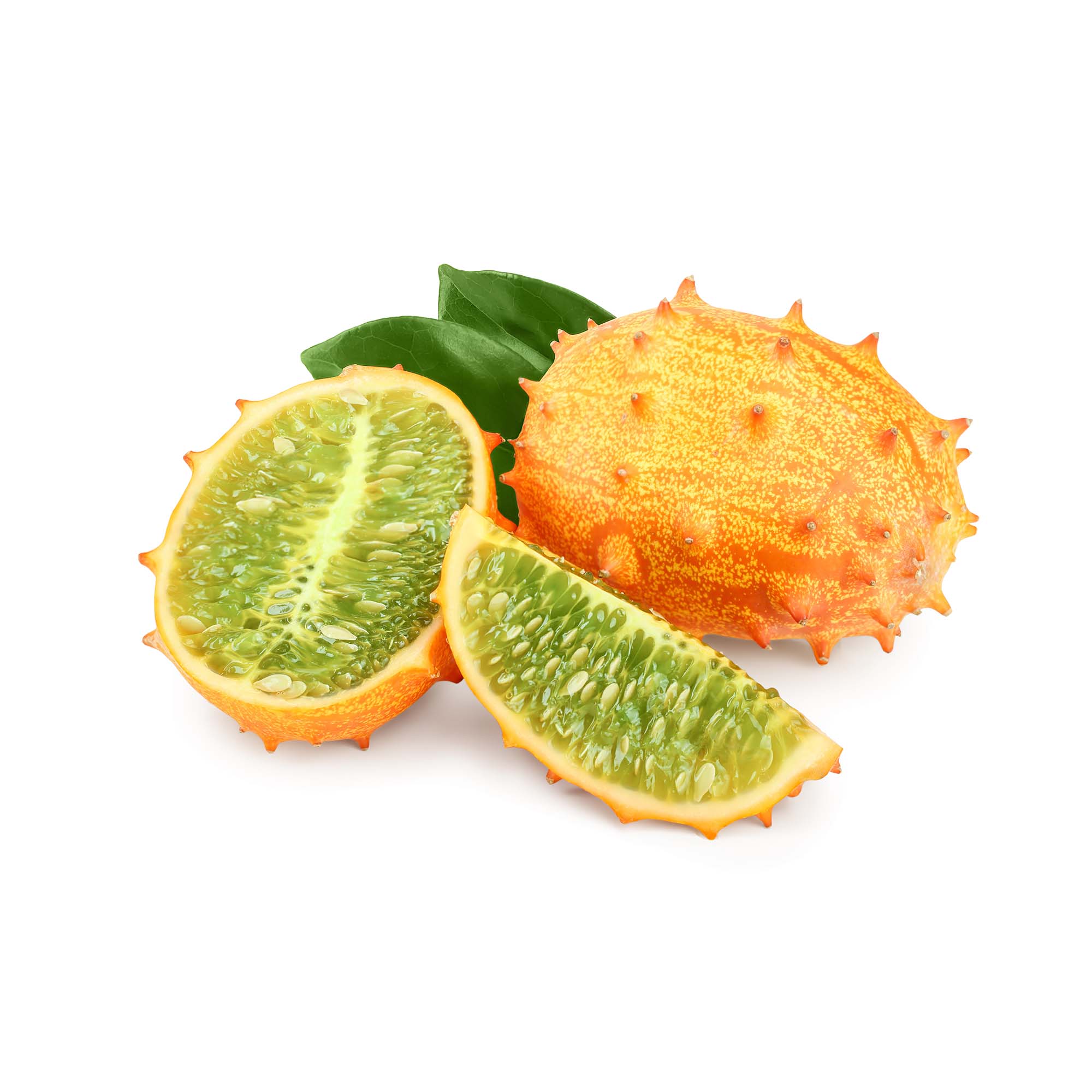
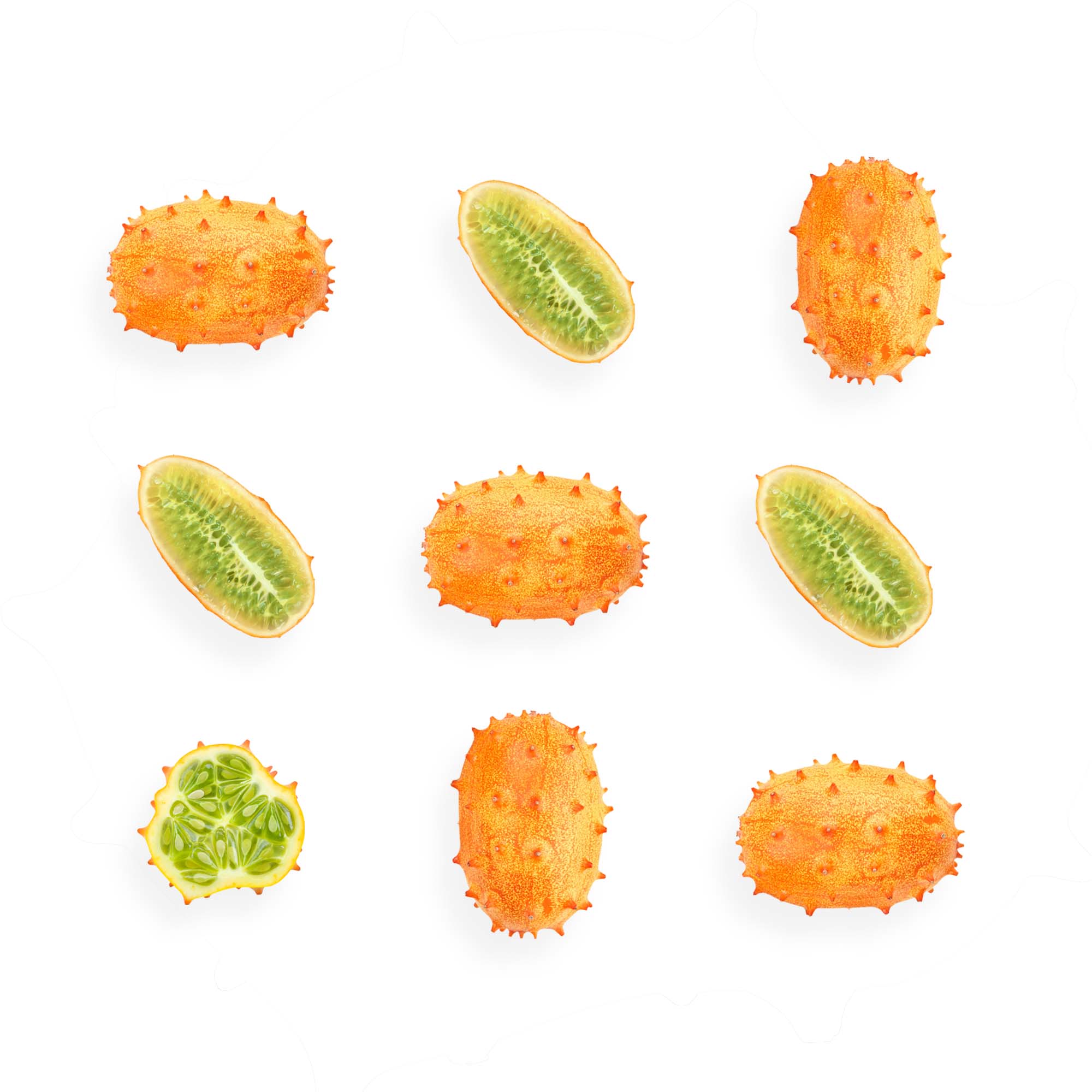
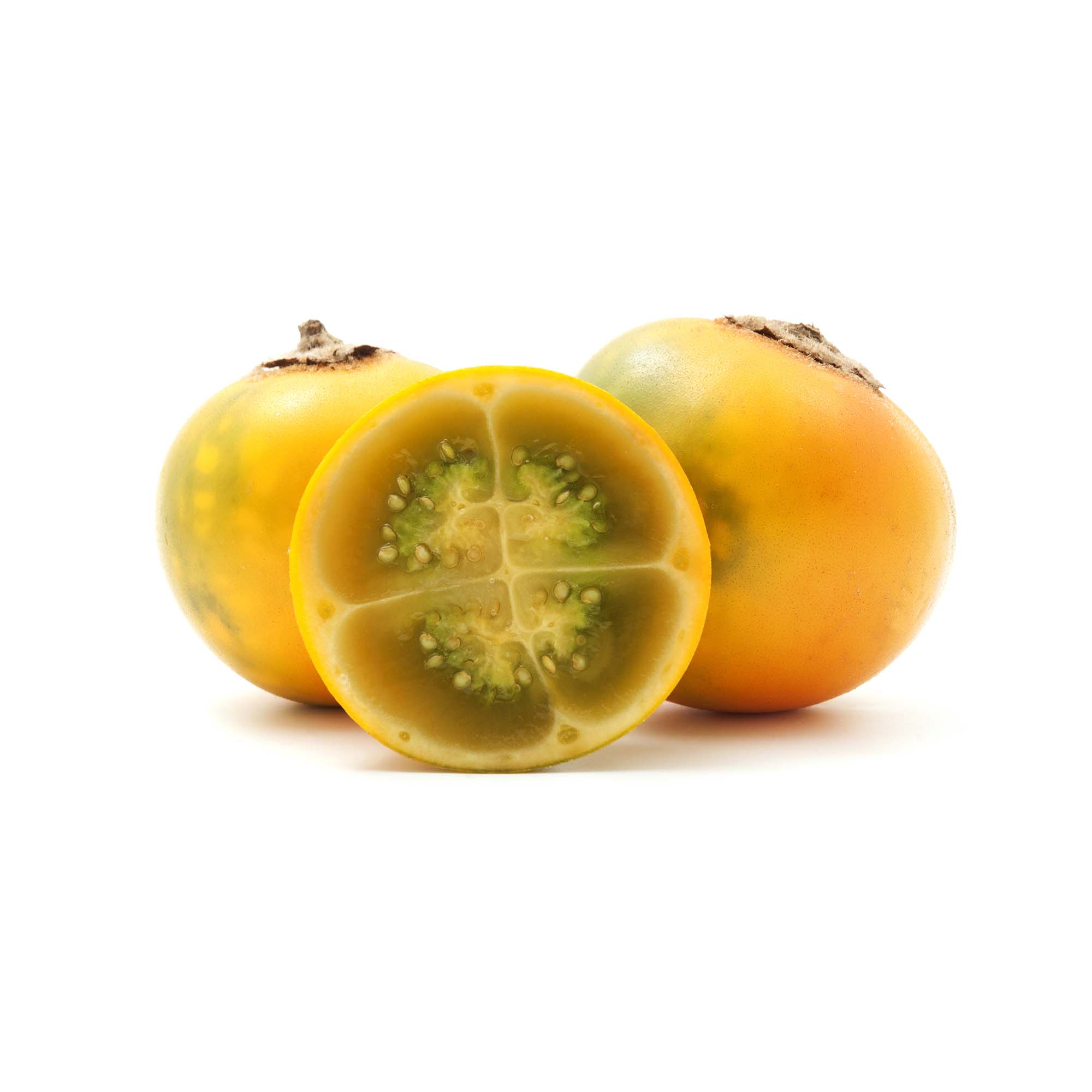
Lulo offers unique flavours and a tantalising aroma. This exotic fruit features a refreshing blend of tanginess and sweetness, often compared to a combination of citrus fruits with hints of pineapple and rhubarb. Its bright green outer skin, which transforms into a vibrant orange when ripe, encloses a succulent, juicy flesh. The texture of lulo is pulpy and slightly grainy, offering a delightful mouthfeel that adds to its overall appeal.
Preparation
To fully relish the flavours of lulo, it is recommended to consume it fresh. Begin by gently washing the fruit, then cut it in half, and with a spoon, scoop out the juicy pulp from the skin. The pulp can be enjoyed as it is, or it can be blended into juices, smoothies, and cocktails.
Nutritional Value
Lulo is a great source of minerals, such as iron and phosphorus.
|
Calories per 100 g |
23 kcal |
|
Fat |
0.15 g |
|
Carbohydrates |
5.7 g |
|
Fibre |
1.5 g |
|
Protein |
0.4 g |
Product Information
Product Information
Shipping & Returns
Shipping & Returns
Description
Country of Origin - Andean region of South America
Average Weight - x
Introduction
Welcome to the world of luscious flavors and vibrant colors with Lulo, an extraordinary exotic fruit. Lulo, scientifically known as Solanum quitoense, is bursting with tropical goodness, and is a true delight for fruit enthusiasts seeking new and exciting experiences.
History
Lulo has a fascinating history deeply rooted in the Andean region of South America. Native to the highlands of Colombia, Ecuador, and Peru, this fruit has been cherished for centuries by indigenous communities for its captivating attributes and nutritional benefits. It has long been a staple in the traditional cuisine and folklore of these regions.
Regions
Lulo originated in the Andean region, particularly in the countries of Colombia, Ecuador, and Peru. Here, it thrives in the tropical climate and fertile soils, benefiting from the high altitude and ample sunshine. Today, lulo is also cultivated in other parts of the world, including countries like Brazil, Costa Rica, and Mexico, where its cultivation has spread due to its growing popularity.
Flavours & Texture
Lulo offers unique flavours and a tantalising aroma. This exotic fruit features a refreshing blend of tanginess and sweetness, often compared to a combination of citrus fruits with hints of pineapple and rhubarb. Its bright green outer skin, which transforms into a vibrant orange when ripe, encloses a succulent, juicy flesh. The texture of lulo is pulpy and slightly grainy, offering a delightful mouthfeel that adds to its overall appeal.
Preparation
To fully relish the flavours of lulo, it is recommended to consume it fresh. Begin by gently washing the fruit, then cut it in half, and with a spoon, scoop out the juicy pulp from the skin. The pulp can be enjoyed as it is, or it can be blended into juices, smoothies, and cocktails.
Nutritional Value
Lulo is a great source of minerals, such as iron and phosphorus.
|
Calories per 100 g |
23 kcal |
|
Fat |
0.15 g |
|
Carbohydrates |
5.7 g |
|
Fibre |
1.5 g |
|
Protein |
0.4 g |