Mango - Apple
Country of Origin - India
Introduction
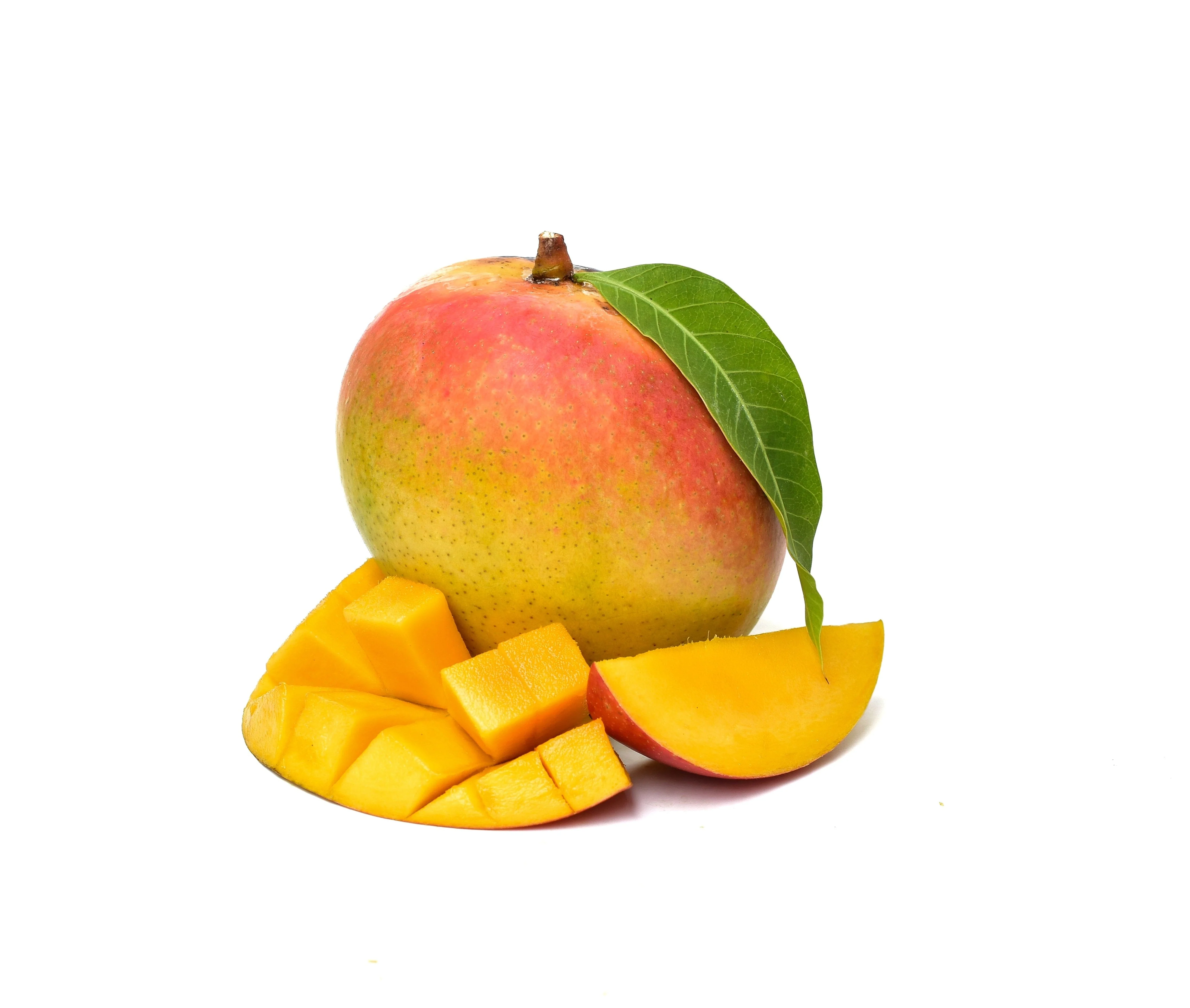
The Apple Mango is a tropical treasure that truly encompasses the sweetness and lusciousness of mangoes. Their peak season is December to April. When ripe, the Apple Mango develops a rich, golden-yellow colour and an incredibly smooth, fibre-free texture.
History
The apple mango, scientifically known as Mangifera indica, is a tropical fruit that traces its origins to South Asia, particularly India and the Philippines. With a history dating back thousands of years, this delectable fruit has been celebrated in various cultures for its exceptional taste and nutritional benefits. The mango holds a special place in many traditions, symbolising love, prosperity, and even divine sweetness in some cultures.
Regions
Originally cultivated in the Indian subcontinent, apple mangoes have found homes in tropical and subtropical regions around the world. Today, they are not only grown in India and the Philippines but also in countries like Mexico, Thailand, and parts of Central and South America. The warm climates of these regions provide the perfect environment for the apple mango to thrive, resulting in fruit that is sweet, juicy, and incredibly flavorful.
Flavours & Texture
Apple mangoes are renowned for their unique combination of sweetness and slight tartness. Their smooth, non-fibrous flesh is incredibly juicy, making every bite a refreshing experience. The flavour profile is a delightful mix of tropical sweetness with hints of citrus.
Preparation
Slice off the sides, avoiding the large, flat pit in the centre. You can then score the flesh into a crisscross pattern, making it easy to scoop out with a spoon. Alternatively, the mango can be peeled and cut into chunks.
Nutritional Value
Apple mangoes are not only a delicious addition to your diet but also provide essential vitamins like Vitamin C, A, E, and minerals such as potassium. With its low calorie and high nutritional content, this tropical fruit is a guilt-free indulgence for health-conscious food lovers.
|
Calories per 100 g |
65 |
|
Fat |
<1g |
|
Carbohydrates |
15g |
|
Fibre |
1.5g |
|
Protein |
<1g |
Original: $7.99
-65%$7.99
$2.80Product Information
Product Information
Shipping & Returns
Shipping & Returns
Description
Country of Origin - India
Introduction
The Apple Mango is a tropical treasure that truly encompasses the sweetness and lusciousness of mangoes. Their peak season is December to April. When ripe, the Apple Mango develops a rich, golden-yellow colour and an incredibly smooth, fibre-free texture.
History
The apple mango, scientifically known as Mangifera indica, is a tropical fruit that traces its origins to South Asia, particularly India and the Philippines. With a history dating back thousands of years, this delectable fruit has been celebrated in various cultures for its exceptional taste and nutritional benefits. The mango holds a special place in many traditions, symbolising love, prosperity, and even divine sweetness in some cultures.
Regions
Originally cultivated in the Indian subcontinent, apple mangoes have found homes in tropical and subtropical regions around the world. Today, they are not only grown in India and the Philippines but also in countries like Mexico, Thailand, and parts of Central and South America. The warm climates of these regions provide the perfect environment for the apple mango to thrive, resulting in fruit that is sweet, juicy, and incredibly flavorful.
Flavours & Texture
Apple mangoes are renowned for their unique combination of sweetness and slight tartness. Their smooth, non-fibrous flesh is incredibly juicy, making every bite a refreshing experience. The flavour profile is a delightful mix of tropical sweetness with hints of citrus.
Preparation
Slice off the sides, avoiding the large, flat pit in the centre. You can then score the flesh into a crisscross pattern, making it easy to scoop out with a spoon. Alternatively, the mango can be peeled and cut into chunks.
Nutritional Value
Apple mangoes are not only a delicious addition to your diet but also provide essential vitamins like Vitamin C, A, E, and minerals such as potassium. With its low calorie and high nutritional content, this tropical fruit is a guilt-free indulgence for health-conscious food lovers.
|
Calories per 100 g |
65 |
|
Fat |
<1g |
|
Carbohydrates |
15g |
|
Fibre |
1.5g |
|
Protein |
<1g |