Mango - Elephant
Country of Origin - Vietnam
Introduction
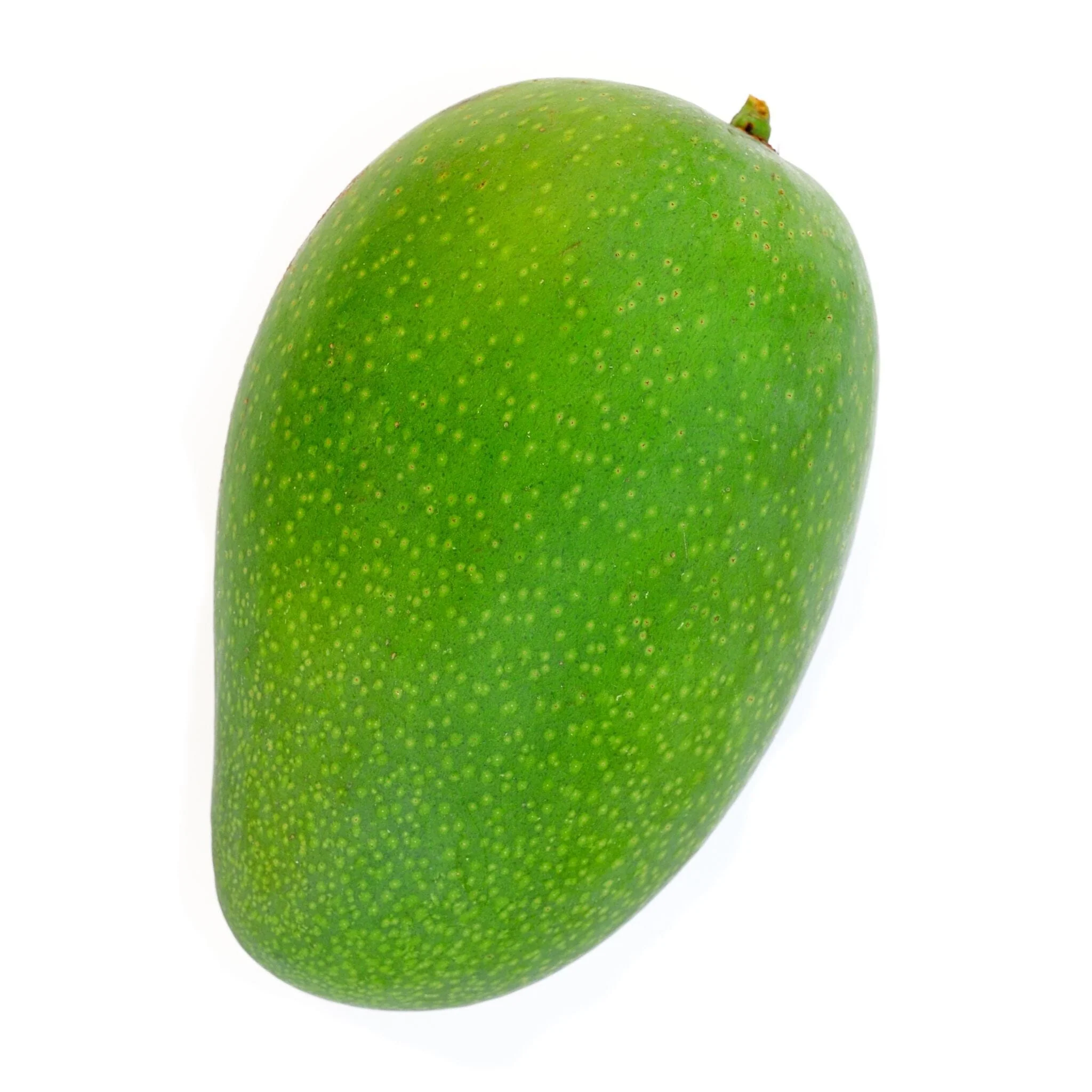
The Elephant Mango, named for its impressive size, is a unique variety of mango known for its hugeness and vibrant, juicy flavour. This exotic fruit is a favourite for its sweet taste, succulent flesh, and rich aroma.
History
In the cultures of Southeast Asia, the Elephant Mango has long held a place of esteem. The fruit is sometimes seen as a symbol of abundance and generosity, with its impressive size representing prosperity.
Regions
The Elephant Mango is believed to have originated in Southeast Asia, particularly in countries like Thailand, Myanmar, and the Philippines. Today, it is grown in tropical and subtropical regions worldwide, including parts of South America, India, and Africa. These regions offer the warm climate and ample rainfall necessary for cultivating this robust, juicy variety of mango.
Flavours & Texture
Begin by gently washing the fruit and removing the skin. Cut the mango into slices or cubes, discarding the large seed at the centre. The succulent flesh can be enjoyed as is.
Nutritional Value
|
Calories per 100 g |
66 Kcal |
|
Fat |
0.4 g |
|
Carbohydrates |
16 g |
|
Fibre |
1.8 g |
|
Protein |
0.7 g |
Original: $20.06
-65%$20.06
$7.02Product Information
Product Information
Shipping & Returns
Shipping & Returns
Description
Country of Origin - Vietnam
Introduction
The Elephant Mango, named for its impressive size, is a unique variety of mango known for its hugeness and vibrant, juicy flavour. This exotic fruit is a favourite for its sweet taste, succulent flesh, and rich aroma.
History
In the cultures of Southeast Asia, the Elephant Mango has long held a place of esteem. The fruit is sometimes seen as a symbol of abundance and generosity, with its impressive size representing prosperity.
Regions
The Elephant Mango is believed to have originated in Southeast Asia, particularly in countries like Thailand, Myanmar, and the Philippines. Today, it is grown in tropical and subtropical regions worldwide, including parts of South America, India, and Africa. These regions offer the warm climate and ample rainfall necessary for cultivating this robust, juicy variety of mango.
Flavours & Texture
Begin by gently washing the fruit and removing the skin. Cut the mango into slices or cubes, discarding the large seed at the centre. The succulent flesh can be enjoyed as is.
Nutritional Value
|
Calories per 100 g |
66 Kcal |
|
Fat |
0.4 g |
|
Carbohydrates |
16 g |
|
Fibre |
1.8 g |
|
Protein |
0.7 g |