Plum - Marian / Mango
Introduction
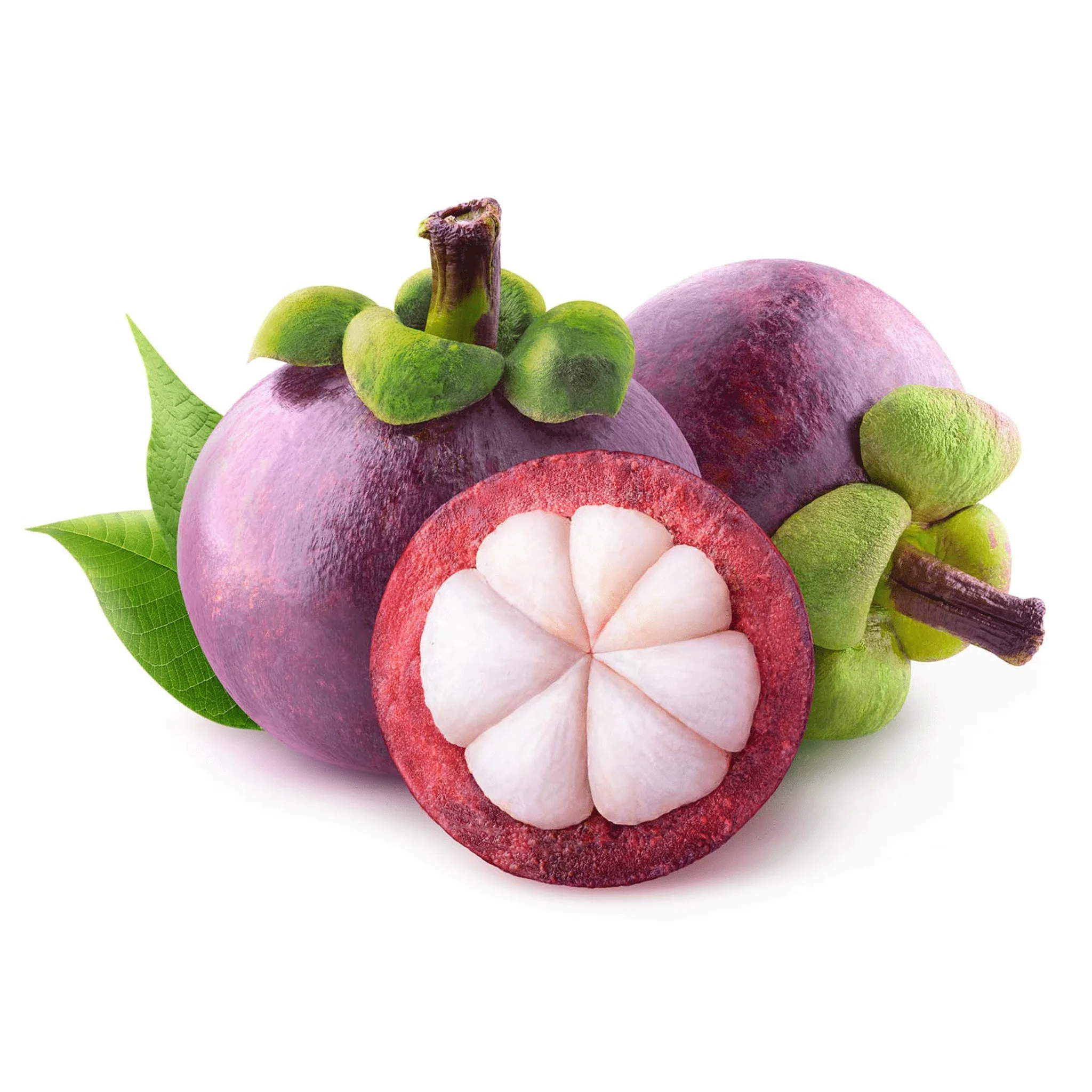
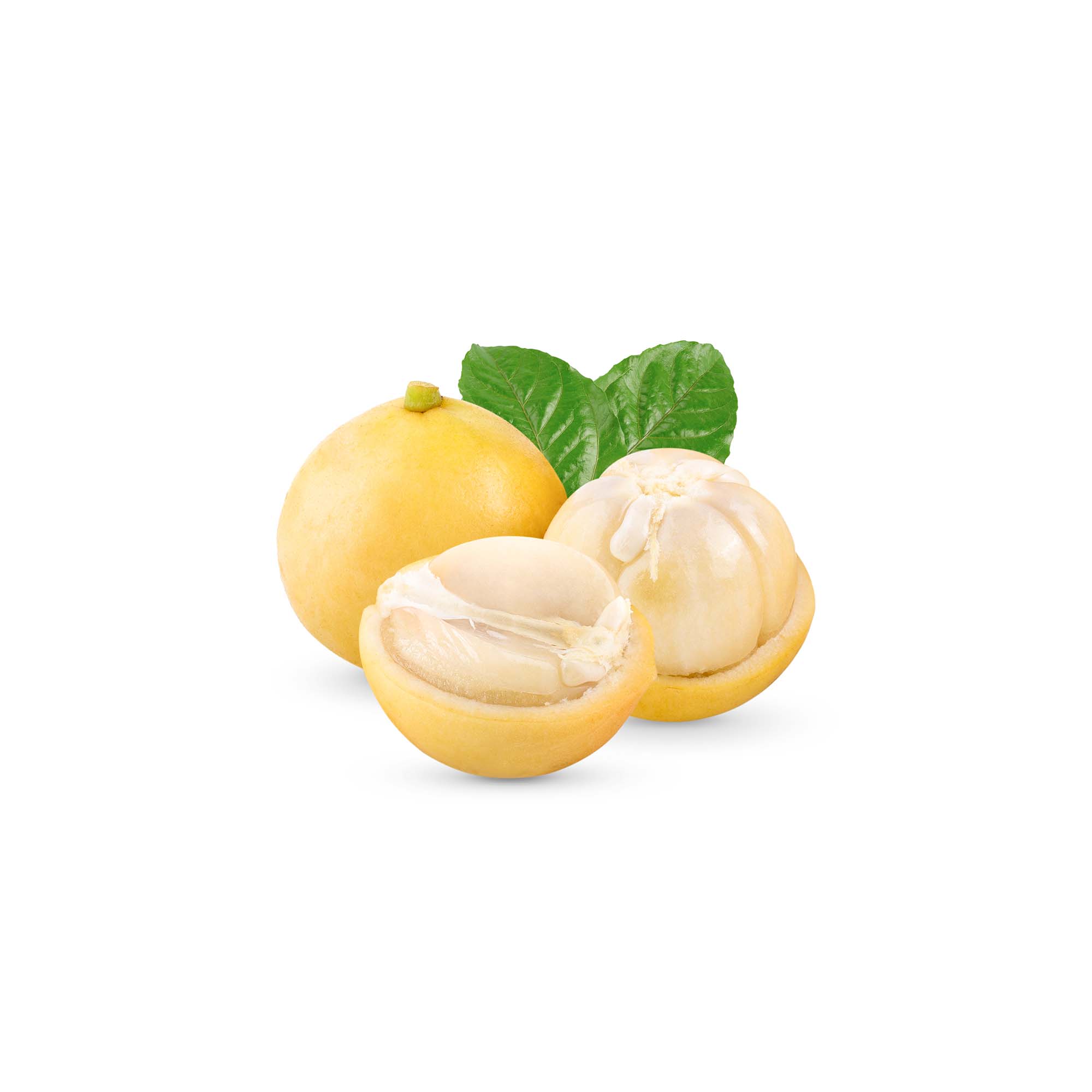
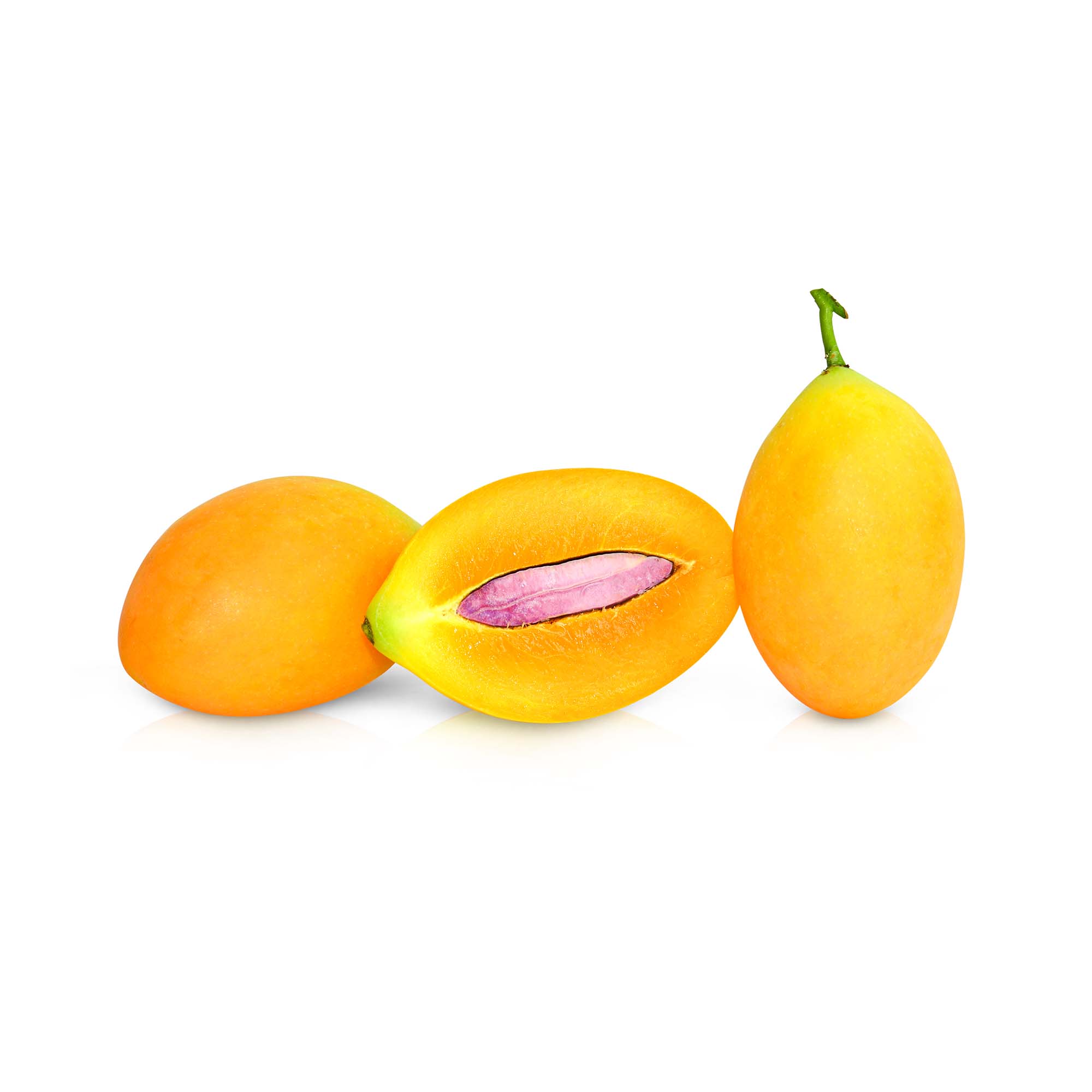
Marian plums are no ordinary plums, they're also known as mango plums because they taste just like mango! Our Marian plums are super juicy and are grown in Thailand where the season runs from February to April.
History
Although known to have originated from Southeast Asia, the exact origin of the plum mango is unknown as they have been found growing in the wild since ancient times. It's the fruit of the flowering plant Bouea macrophyllac which can be found growing in tropical forests, but it is also grown in home gardens. The tree belongs to the family Anacardiaceae which also includes mango and cashew. The tree is evergreen and it grows to heights of 25 metres. Its fruits are very similar to mango fruits, they grow roughly 2 to 5 cm in diameter and they are green in colour. It is currently cultivated on a very small scale in Thailand, Indonesia, Laos, and Malaysia with minimal exports
Regions
The tree is native to Indonesia, and Burma. It is also found in Thailand, Laos, and Malaysia, where it is commercially grown.
Flavours & Texture
Plum mangoes have a pleasant taste and they are sweet with a pinch of sour. Its taste is like a combination of persimmon, mango, and apricot. They have tight skin, while their flesh is juicy, soft, and a bit fibrous.
Preparation
The skin of the plum mango is safe to eat and the fruit can be eaten raw. You can use it in your fruit salad, make juice or use it in your smoothies.
Nutritional Value
Plum mango is low in calories and is a good source of fiber and vitamins.
|
Calories per 100g |
70 kcal |
|
Fat |
0.27 g |
|
Carbohydrates |
17 g |
|
Fiber |
1.8 g |
|
Protein |
0.5 g |
|
Iron |
0.13 mg |
|
Potassium |
156 mg |
|
Vitamin C |
27.7 mg |
|
Vitamin K |
4.2 mg |
Original: $2.01
-65%$2.01
$0.70Product Information
Product Information
Shipping & Returns
Shipping & Returns
Description
Introduction
Marian plums are no ordinary plums, they're also known as mango plums because they taste just like mango! Our Marian plums are super juicy and are grown in Thailand where the season runs from February to April.
History
Although known to have originated from Southeast Asia, the exact origin of the plum mango is unknown as they have been found growing in the wild since ancient times. It's the fruit of the flowering plant Bouea macrophyllac which can be found growing in tropical forests, but it is also grown in home gardens. The tree belongs to the family Anacardiaceae which also includes mango and cashew. The tree is evergreen and it grows to heights of 25 metres. Its fruits are very similar to mango fruits, they grow roughly 2 to 5 cm in diameter and they are green in colour. It is currently cultivated on a very small scale in Thailand, Indonesia, Laos, and Malaysia with minimal exports
Regions
The tree is native to Indonesia, and Burma. It is also found in Thailand, Laos, and Malaysia, where it is commercially grown.
Flavours & Texture
Plum mangoes have a pleasant taste and they are sweet with a pinch of sour. Its taste is like a combination of persimmon, mango, and apricot. They have tight skin, while their flesh is juicy, soft, and a bit fibrous.
Preparation
The skin of the plum mango is safe to eat and the fruit can be eaten raw. You can use it in your fruit salad, make juice or use it in your smoothies.
Nutritional Value
Plum mango is low in calories and is a good source of fiber and vitamins.
|
Calories per 100g |
70 kcal |
|
Fat |
0.27 g |
|
Carbohydrates |
17 g |
|
Fiber |
1.8 g |
|
Protein |
0.5 g |
|
Iron |
0.13 mg |
|
Potassium |
156 mg |
|
Vitamin C |
27.7 mg |
|
Vitamin K |
4.2 mg |