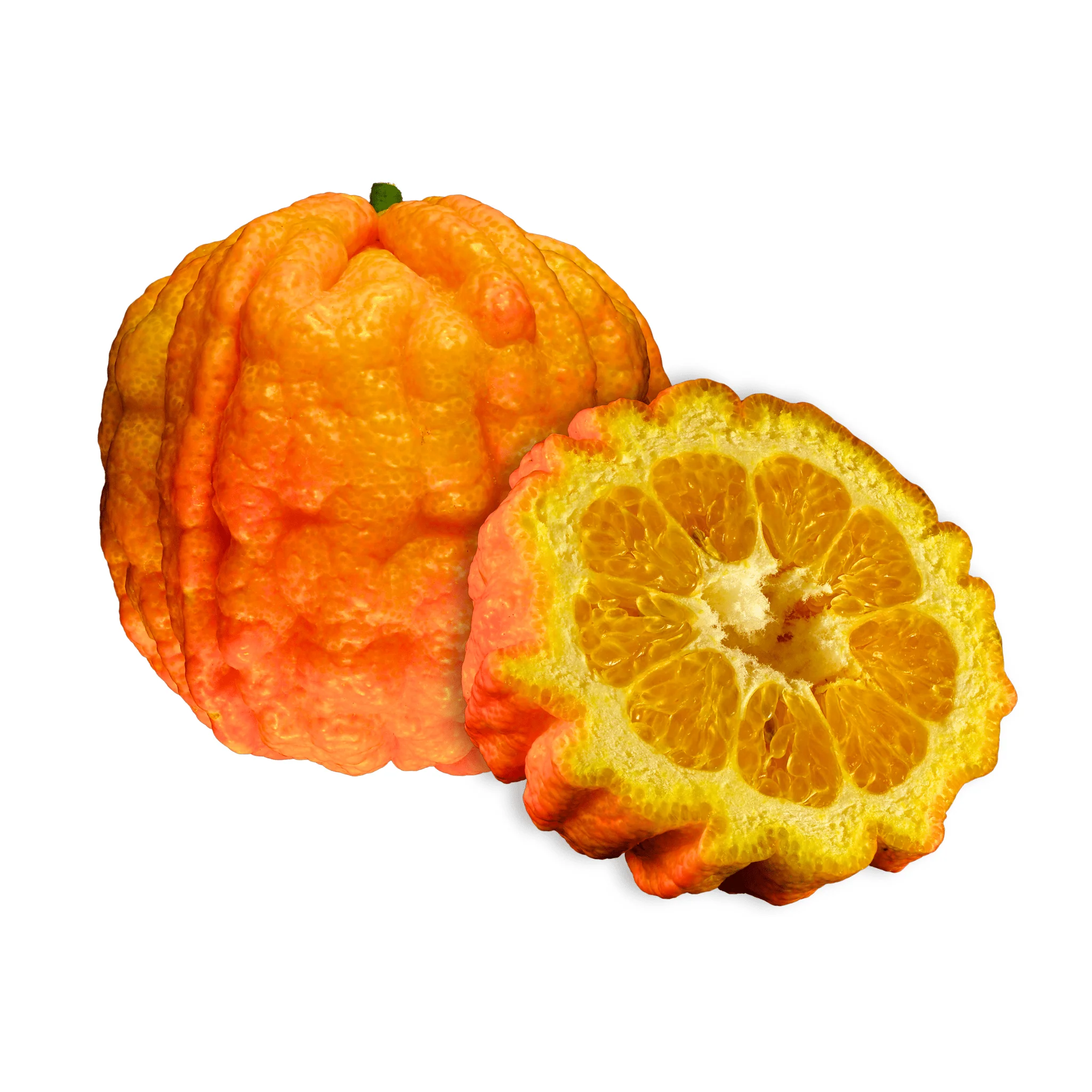
Orange - Seville
Origin: Spain
Average weight: 220 Grams
Introduction
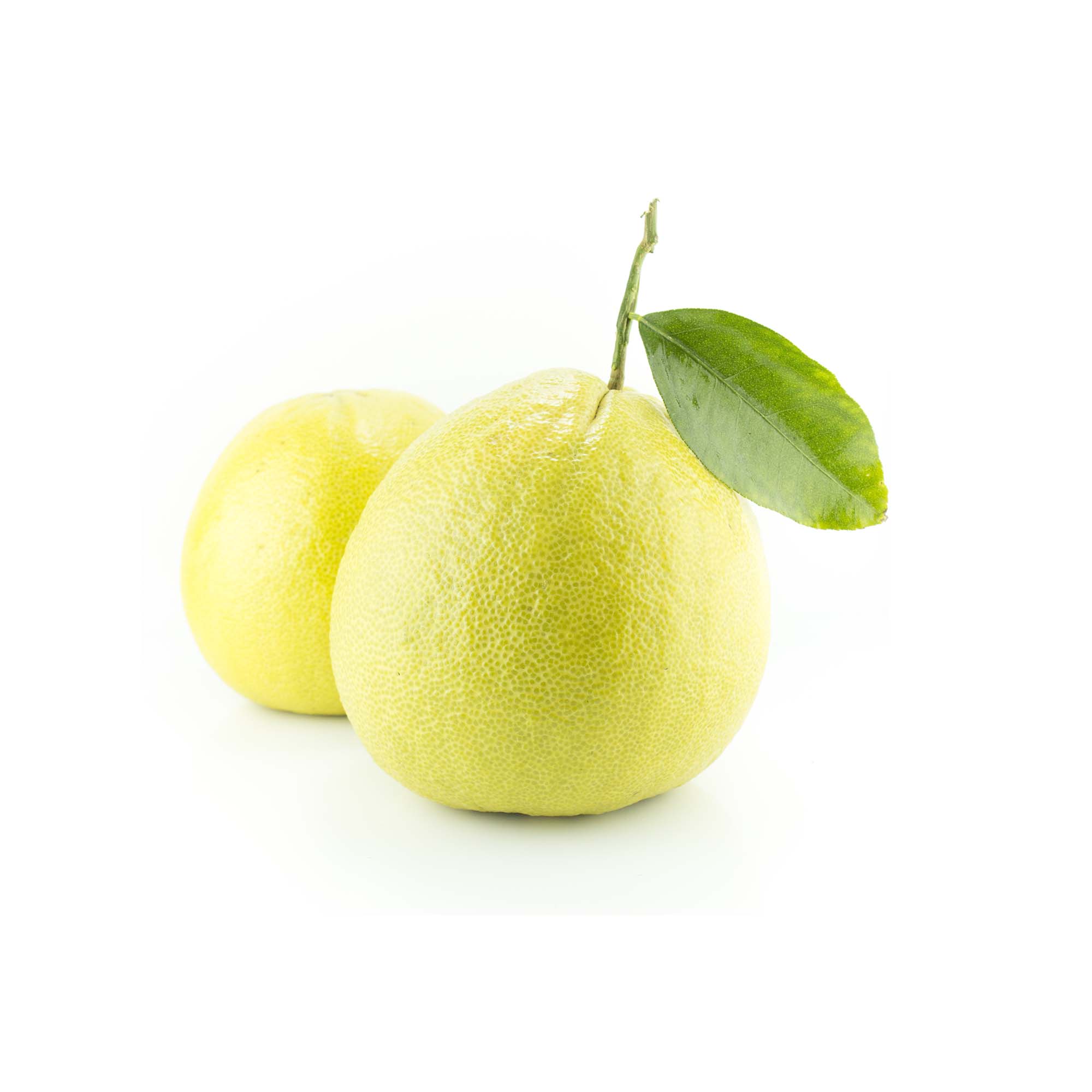
Step into the world of Seville oranges - the orange variety famously used to make marmalade. Originally hailing from the sun-soaked orchards of Seville, Spain, these oranges offer a burst of distinctive flavour and have woven themselves into the tapestry of culinary traditions around the globe.
History
Originating from the southern regions of Spain, particularly Seville, these oranges have a rich history intertwined with Moorish influences and Spanish cultural traditions. Historically, Seville oranges were valued for both culinary and medicinal purposes, and their distinctive bitter flavour made them a prized ingredient in various recipes and concoctions.
Regions
Seville oranges, originally cultivated in Spain, have found their way into diverse regions around the globe. While still a staple in Spanish orchards, they have also been successfully cultivated in countries such as the United States, Italy, and Brazil. The unique climate of these regions contributes to the fruit's distinct characteristics, ensuring that each Seville orange carries a touch of its specific terroir.
Flavours & Texture
Renowned for their bold, bitter taste, Seville oranges offer a flavour profile that sets them apart from their sweeter citrus counterparts. The intense bitterness, coupled with a vibrant citrusy zing, makes them a favourite for creating marmalades. The texture of Seville oranges is both firm and juicy, providing a delightful contrast.
Preparation
Start by washing the fruit thoroughly, as the zest is often used to extract the distinctive flavour. While the bitterness may be intense when consumed raw, it becomes a prized asset when crafting marmalades, sauces, and desserts. The zest can be grated for a burst of citrusy fragrance, while the juice adds a tangy complexity to both sweet and savoury dishes.
Nutritional Value
| Calories per 100g | 43kcal |
| Carbohydrates per 100g | 83g |
| Fats per 100g | 0.2g |
| Protein per 100g | 1g |
| Fibre per 100g | 2g |
Original: $2.35
-65%$2.35
$0.82Product Information
Product Information
Shipping & Returns
Shipping & Returns
Description
Origin: Spain
Average weight: 220 Grams
Introduction
Step into the world of Seville oranges - the orange variety famously used to make marmalade. Originally hailing from the sun-soaked orchards of Seville, Spain, these oranges offer a burst of distinctive flavour and have woven themselves into the tapestry of culinary traditions around the globe.
History
Originating from the southern regions of Spain, particularly Seville, these oranges have a rich history intertwined with Moorish influences and Spanish cultural traditions. Historically, Seville oranges were valued for both culinary and medicinal purposes, and their distinctive bitter flavour made them a prized ingredient in various recipes and concoctions.
Regions
Seville oranges, originally cultivated in Spain, have found their way into diverse regions around the globe. While still a staple in Spanish orchards, they have also been successfully cultivated in countries such as the United States, Italy, and Brazil. The unique climate of these regions contributes to the fruit's distinct characteristics, ensuring that each Seville orange carries a touch of its specific terroir.
Flavours & Texture
Renowned for their bold, bitter taste, Seville oranges offer a flavour profile that sets them apart from their sweeter citrus counterparts. The intense bitterness, coupled with a vibrant citrusy zing, makes them a favourite for creating marmalades. The texture of Seville oranges is both firm and juicy, providing a delightful contrast.
Preparation
Start by washing the fruit thoroughly, as the zest is often used to extract the distinctive flavour. While the bitterness may be intense when consumed raw, it becomes a prized asset when crafting marmalades, sauces, and desserts. The zest can be grated for a burst of citrusy fragrance, while the juice adds a tangy complexity to both sweet and savoury dishes.
Nutritional Value
| Calories per 100g | 43kcal |
| Carbohydrates per 100g | 83g |
| Fats per 100g | 0.2g |
| Protein per 100g | 1g |
| Fibre per 100g | 2g |