Plum - Ciruela
Country of Origin: Mexico 🇲🇽
Introduction
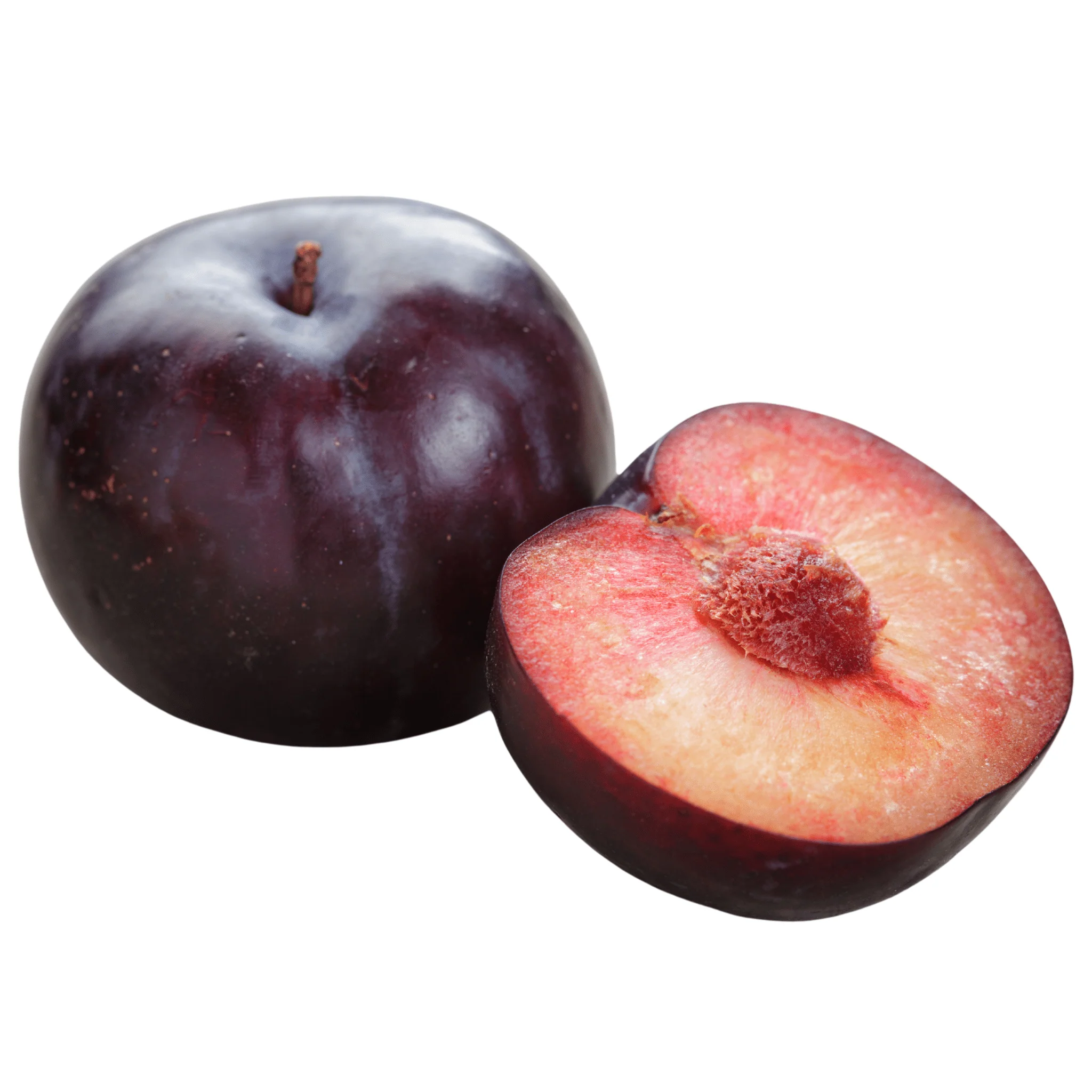
Ciruela, also known as Spanish plum or Mexican plum (Spondias purpurea), is a small, tropical stone fruit native to the Americas, averaging 2–5 cm in length with vibrant colours ranging from green (unripe) to yellow, red, orange, or purple when ripe.
Belonging to the Anacardiaceae family, it is distinct from European plums and is valued for its juicy, sweet-tart flesh and edible, thin skin. Popular in Central and South America, it is consumed fresh, dried, or in beverages, jams, and sauces, offering both culinary versatility and nutritional benefits like high vitamin C and fibre content.
History
Ciruela has been cultivated in tropical America for centuries, with origins in Central and South America, particularly Mexico and the Caribbean. It was cherished by ancient civilizations for its taste and medicinal properties, such as diuretic and antispasmodic effects. The fruit’s name, meaning “plum” in Spanish, reflects its resemblance to plums, though it belongs to a different botanical family. Its cultivation spread globally to regions like Spain, Portugal, North Africa, and Asia, where it thrives in warm, humid climates.
Regions
Native to the Americas, particularly Mexico, Central America, and northern South America, Ciruela is now widely grown in tropical and subtropical regions worldwide. It thrives in humid areas like Spain’s Mediterranean coast, Galicia, Asturias, and Andalusia, as well as Portugal’s northern regions. It is also cultivated in North Africa, Asia (e.g., Philippines as “siniguelas”), and South America (e.g., Brazil as “ciriguela”). Major producers include Mexico and Colombia, with small-scale commercial cultivation for local markets.
Flavours & Texture
Ciruela’s flavour varies by ripeness: unripe fruits are green, firm, and tart with a sour, astringent taste, while ripe fruits develop a sweet-tart, tropical flavour with juicy, creamy, pudding-like flesh. The thin, waxy skin transitions from green to vibrant red, yellow, or purple, remaining edible. The flesh encases a large, inedible stone, and the texture softens significantly as the fruit ripens, offering a refreshing contrast to its tangy profile.
How to Prepare
Ciruela can be eaten fresh, either unripe with salt, lime, or sugar to balance its tartness, or ripe for a sweeter taste, discarding the pit. It is versatile in culinary applications: blend ripe Ciruela into juices or spritzers with mint, cook into jams, jellies, or syrups for desserts, or use in savoury dishes like salsas with tomatoes and jalapeños or chutneys with spices. Unripe fruits can be pickled or pureed for sauces to accompany meats.
Nutritional Values
The caloric content (108 kcal) is higher than that of common plums (46 kcal), reflecting Ciruela’s higher carbohydrate content. It is a good source of vitamin C, supporting immune health, and contains iron, calcium, and phosphorus, aiding digestion and overall wellness.
| Calories per 100g | 108 kcal | 5% |
| Carbohydrates | 19 g | 7% |
| Sugars | ~15 g | - |
| Dietary Fiber | ~2 g | 8% |
| Protein | ~1 g | 2% |
| Fat | ~0.2 g | <1% |
| Vitamin C | ~20 mg | 22% |
| Vitamin A | ~200 IU | 4% |
| Potassium | 250 mg | 5% |
| Calcium | 40 mg | 3% |
Original: $1.14
-65%$1.14
$0.40Product Information
Product Information
Shipping & Returns
Shipping & Returns
Description
Country of Origin: Mexico 🇲🇽
Introduction
Ciruela, also known as Spanish plum or Mexican plum (Spondias purpurea), is a small, tropical stone fruit native to the Americas, averaging 2–5 cm in length with vibrant colours ranging from green (unripe) to yellow, red, orange, or purple when ripe.
Belonging to the Anacardiaceae family, it is distinct from European plums and is valued for its juicy, sweet-tart flesh and edible, thin skin. Popular in Central and South America, it is consumed fresh, dried, or in beverages, jams, and sauces, offering both culinary versatility and nutritional benefits like high vitamin C and fibre content.
History
Ciruela has been cultivated in tropical America for centuries, with origins in Central and South America, particularly Mexico and the Caribbean. It was cherished by ancient civilizations for its taste and medicinal properties, such as diuretic and antispasmodic effects. The fruit’s name, meaning “plum” in Spanish, reflects its resemblance to plums, though it belongs to a different botanical family. Its cultivation spread globally to regions like Spain, Portugal, North Africa, and Asia, where it thrives in warm, humid climates.
Regions
Native to the Americas, particularly Mexico, Central America, and northern South America, Ciruela is now widely grown in tropical and subtropical regions worldwide. It thrives in humid areas like Spain’s Mediterranean coast, Galicia, Asturias, and Andalusia, as well as Portugal’s northern regions. It is also cultivated in North Africa, Asia (e.g., Philippines as “siniguelas”), and South America (e.g., Brazil as “ciriguela”). Major producers include Mexico and Colombia, with small-scale commercial cultivation for local markets.
Flavours & Texture
Ciruela’s flavour varies by ripeness: unripe fruits are green, firm, and tart with a sour, astringent taste, while ripe fruits develop a sweet-tart, tropical flavour with juicy, creamy, pudding-like flesh. The thin, waxy skin transitions from green to vibrant red, yellow, or purple, remaining edible. The flesh encases a large, inedible stone, and the texture softens significantly as the fruit ripens, offering a refreshing contrast to its tangy profile.
How to Prepare
Ciruela can be eaten fresh, either unripe with salt, lime, or sugar to balance its tartness, or ripe for a sweeter taste, discarding the pit. It is versatile in culinary applications: blend ripe Ciruela into juices or spritzers with mint, cook into jams, jellies, or syrups for desserts, or use in savoury dishes like salsas with tomatoes and jalapeños or chutneys with spices. Unripe fruits can be pickled or pureed for sauces to accompany meats.
Nutritional Values
The caloric content (108 kcal) is higher than that of common plums (46 kcal), reflecting Ciruela’s higher carbohydrate content. It is a good source of vitamin C, supporting immune health, and contains iron, calcium, and phosphorus, aiding digestion and overall wellness.
| Calories per 100g | 108 kcal | 5% |
| Carbohydrates | 19 g | 7% |
| Sugars | ~15 g | - |
| Dietary Fiber | ~2 g | 8% |
| Protein | ~1 g | 2% |
| Fat | ~0.2 g | <1% |
| Vitamin C | ~20 mg | 22% |
| Vitamin A | ~200 IU | 4% |
| Potassium | 250 mg | 5% |
| Calcium | 40 mg | 3% |