Plum - Gold
Country of Origin: Japan 🇯🇵
Introduction
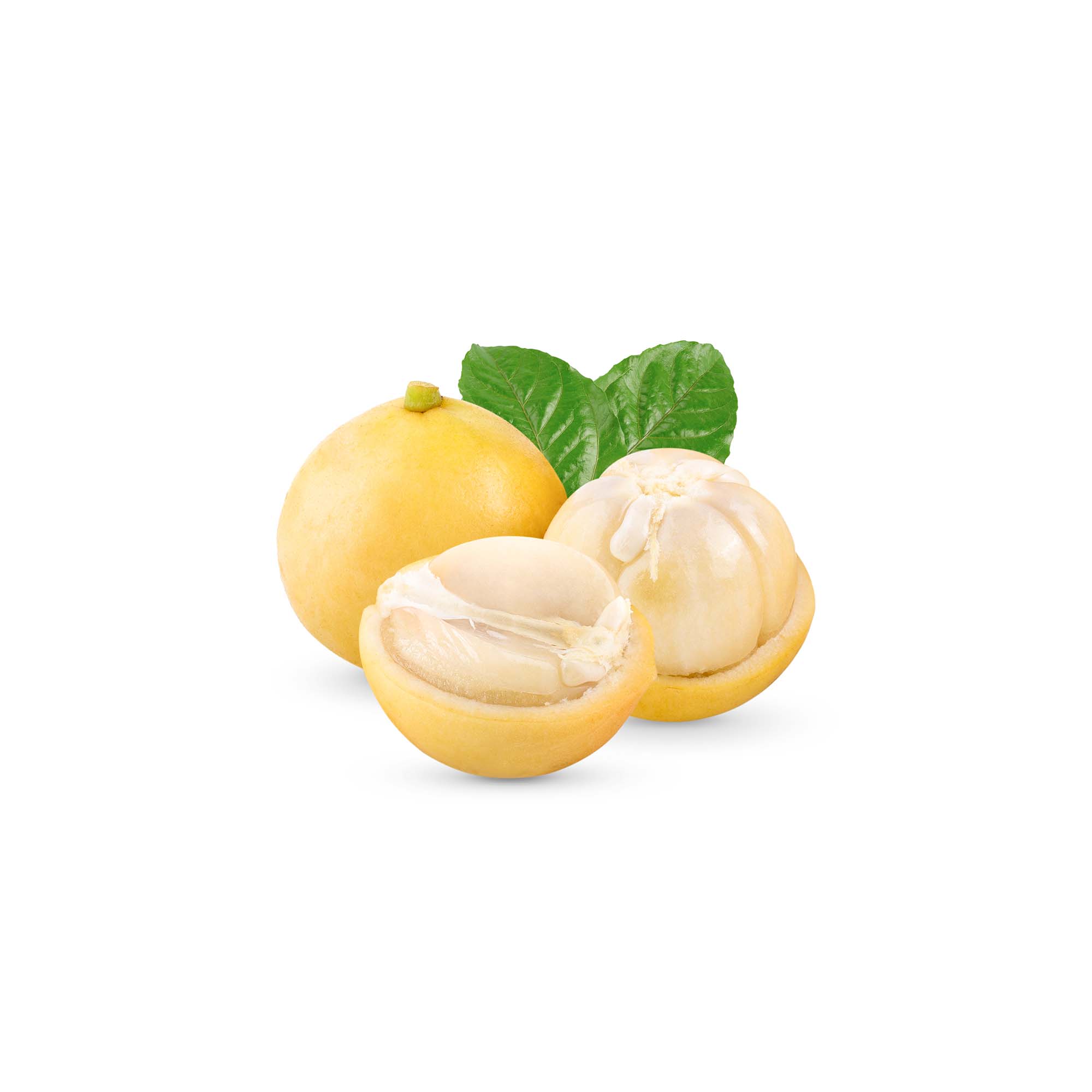
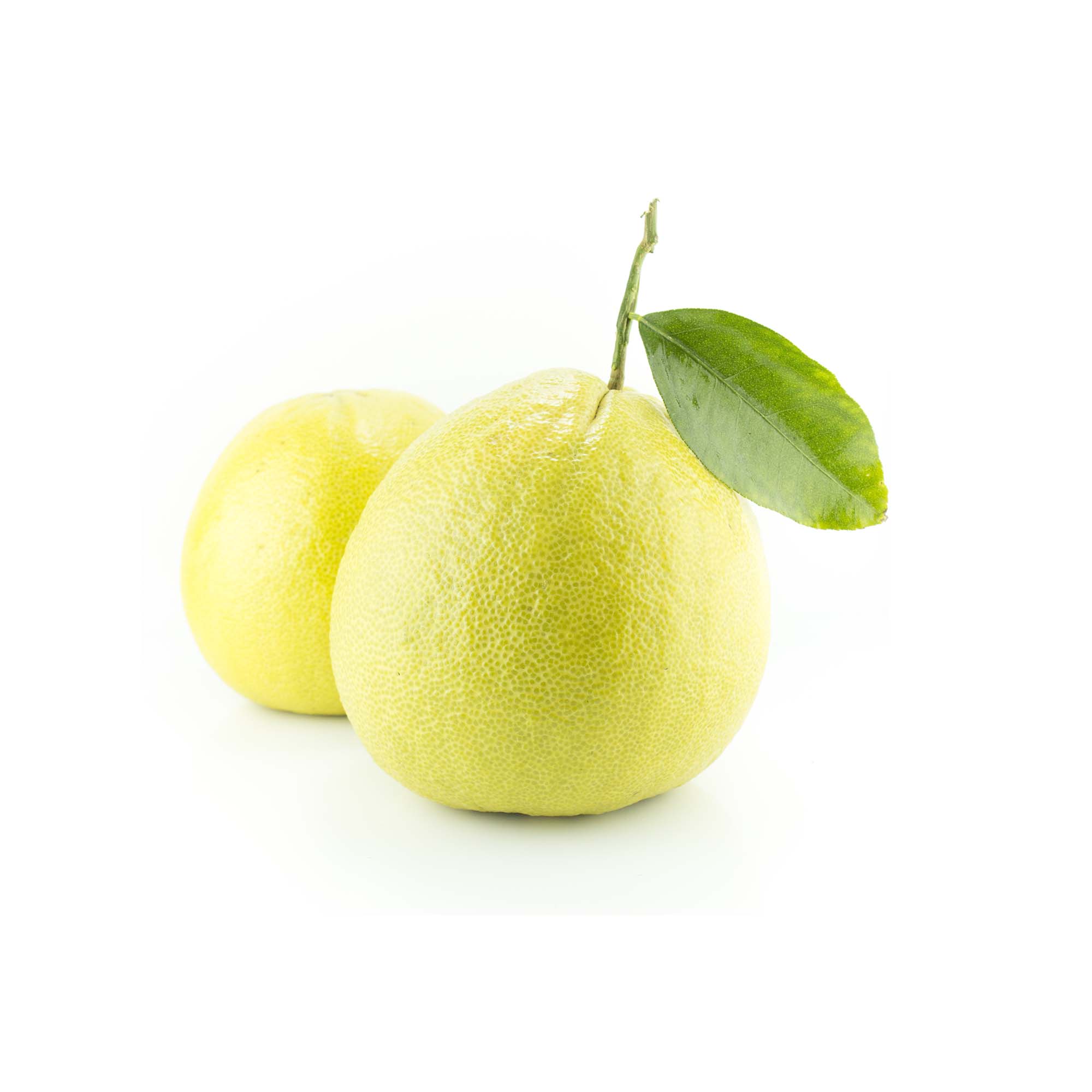
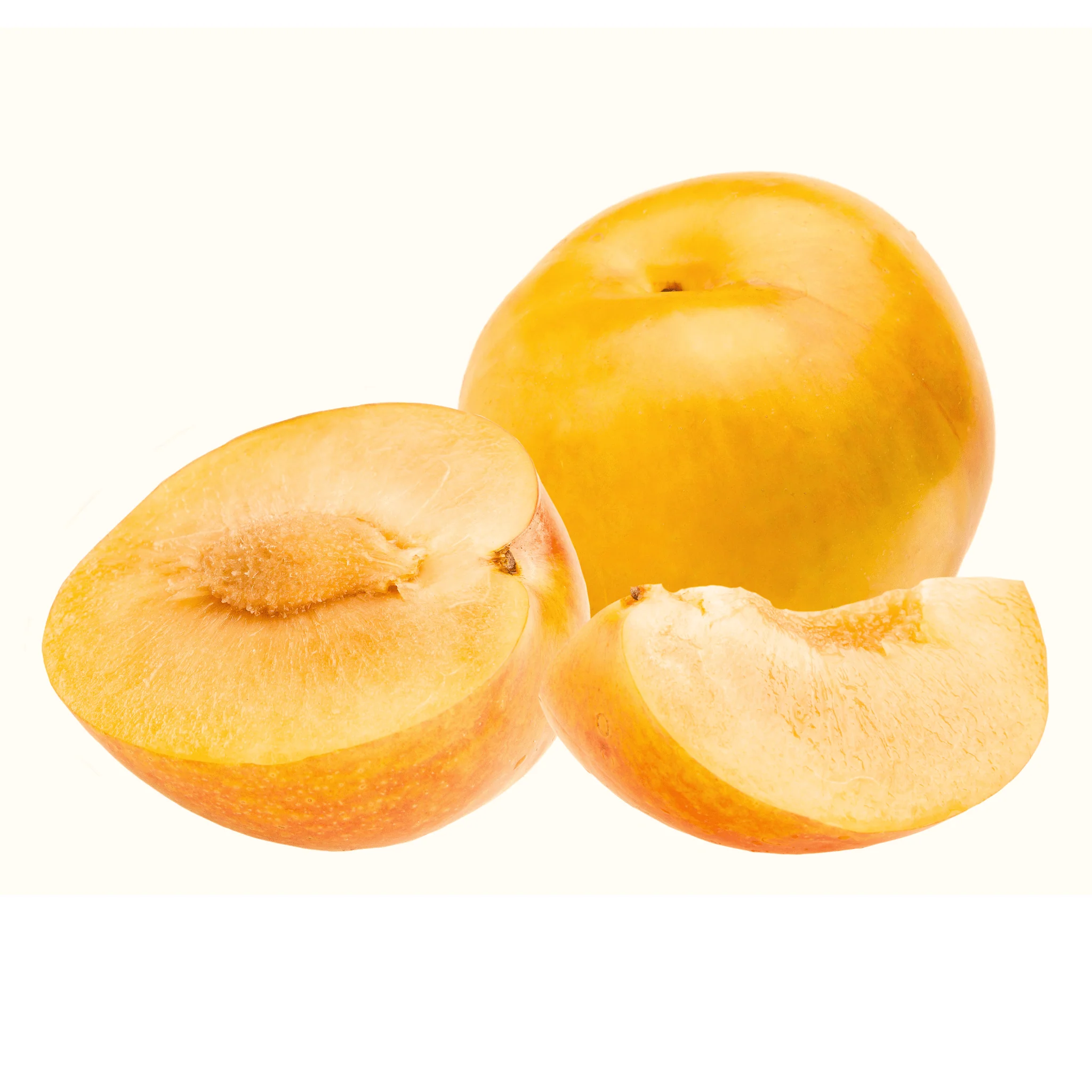
The Gold plum, a yellow Japanese plum (Prunus salicina) grown in Italy, is a medium-sized, round fruit with bright golden-yellow skin and juicy, sweet flesh. Known for its early ripening and low chill requirements (300–400 hours), it thrives in Italy’s warm Mediterranean regions. Self-fertile and productive, it’s enjoyed fresh, dried, or in culinary dishes like jams and desserts, offering a vibrant appearance and nutritional benefits like vitamins A and C.
History
Gold plums, part of the Japanese plum group, were introduced to the West from Japan in the late 19th century and adapted in regions like California before spreading to Italy. In Italy, cultivars like Golden Japan have been cultivated since the 20th century, particularly in regions like Emilia-Romagna and Sicily, where breeding programs focused on early-season, low-chill varieties. Their adoption in Italy reflects their suitability for warm climates and early market demand.
Regions
Originating in Japan, the Gold plum is now cultivated in Italy, particularly in Mediterranean regions like Emilia-Romagna, Sicily, and Puglia, where warm temperatures and well-drained soils support its growth. Beyond Italy, it’s grown in other Mediterranean countries (e.g., Spain, Greece), California, Australia, and New Zealand. In Italy, it’s valued for local markets and export, thriving in USDA zones 5–9.
Flavours & Texture
Gold plums offer a sweet, slightly tart flavour with juicy, tender yellow flesh that is less fibrous than other plums. Their smooth, golden skin is thin and edible, complementing the succulent texture. When ripe, the flesh is soft yet firm, making them ideal for fresh eating or cooking, with a bright, refreshing taste that shines in both sweet and savoury dishes.
How to Prepare
Wash Gold plums thoroughly and enjoy fresh, removing the pit for convenience. Slice into salads, blend into smoothies, or cook into jams, compotes, or sauces for desserts like crostata or savoury dishes like pork glazes. Grill halved plums for a caramelised treat. Store unripe plums at room temperature to ripen, then refrigerate.
Nutritional Values
Gold plums are a good source of vitamin C for immune support and vitamin A for vision, with fibre aiding digestion. Their yellow flesh likely contains antioxidants like beta-carotene. Values are approximate and based on standard Japanese plum profiles.
| Nutrient | Value per 100g | % Daily Value (DV) |
|---|---|---|
| Calories | 46 kcal | 2% |
| Carbohydrates | 11.4 g | 4% |
| Sugars | 9.9 g | - |
| Dietary Fiber | 1.4 g | 5% |
| Protein | 0.7 g | 1% |
| Fat | 0.3 g | <1% |
| Vitamin C | 9.5 mg | 11% |
| Vitamin A | 345 IU | 7% |
| Potassium | 157 mg | 3% |
Original: $1.14
-65%$1.14
$0.40Product Information
Product Information
Shipping & Returns
Shipping & Returns
Description
Country of Origin: Japan 🇯🇵
Introduction
The Gold plum, a yellow Japanese plum (Prunus salicina) grown in Italy, is a medium-sized, round fruit with bright golden-yellow skin and juicy, sweet flesh. Known for its early ripening and low chill requirements (300–400 hours), it thrives in Italy’s warm Mediterranean regions. Self-fertile and productive, it’s enjoyed fresh, dried, or in culinary dishes like jams and desserts, offering a vibrant appearance and nutritional benefits like vitamins A and C.
History
Gold plums, part of the Japanese plum group, were introduced to the West from Japan in the late 19th century and adapted in regions like California before spreading to Italy. In Italy, cultivars like Golden Japan have been cultivated since the 20th century, particularly in regions like Emilia-Romagna and Sicily, where breeding programs focused on early-season, low-chill varieties. Their adoption in Italy reflects their suitability for warm climates and early market demand.
Regions
Originating in Japan, the Gold plum is now cultivated in Italy, particularly in Mediterranean regions like Emilia-Romagna, Sicily, and Puglia, where warm temperatures and well-drained soils support its growth. Beyond Italy, it’s grown in other Mediterranean countries (e.g., Spain, Greece), California, Australia, and New Zealand. In Italy, it’s valued for local markets and export, thriving in USDA zones 5–9.
Flavours & Texture
Gold plums offer a sweet, slightly tart flavour with juicy, tender yellow flesh that is less fibrous than other plums. Their smooth, golden skin is thin and edible, complementing the succulent texture. When ripe, the flesh is soft yet firm, making them ideal for fresh eating or cooking, with a bright, refreshing taste that shines in both sweet and savoury dishes.
How to Prepare
Wash Gold plums thoroughly and enjoy fresh, removing the pit for convenience. Slice into salads, blend into smoothies, or cook into jams, compotes, or sauces for desserts like crostata or savoury dishes like pork glazes. Grill halved plums for a caramelised treat. Store unripe plums at room temperature to ripen, then refrigerate.
Nutritional Values
Gold plums are a good source of vitamin C for immune support and vitamin A for vision, with fibre aiding digestion. Their yellow flesh likely contains antioxidants like beta-carotene. Values are approximate and based on standard Japanese plum profiles.
| Nutrient | Value per 100g | % Daily Value (DV) |
|---|---|---|
| Calories | 46 kcal | 2% |
| Carbohydrates | 11.4 g | 4% |
| Sugars | 9.9 g | - |
| Dietary Fiber | 1.4 g | 5% |
| Protein | 0.7 g | 1% |
| Fat | 0.3 g | <1% |
| Vitamin C | 9.5 mg | 11% |
| Vitamin A | 345 IU | 7% |
| Potassium | 157 mg | 3% |