Prickly Pear - Cactus Fig
Country of Origin: Columbia 🇨🇴
Class / Cat: 1 (Premium Quality)
Introduction
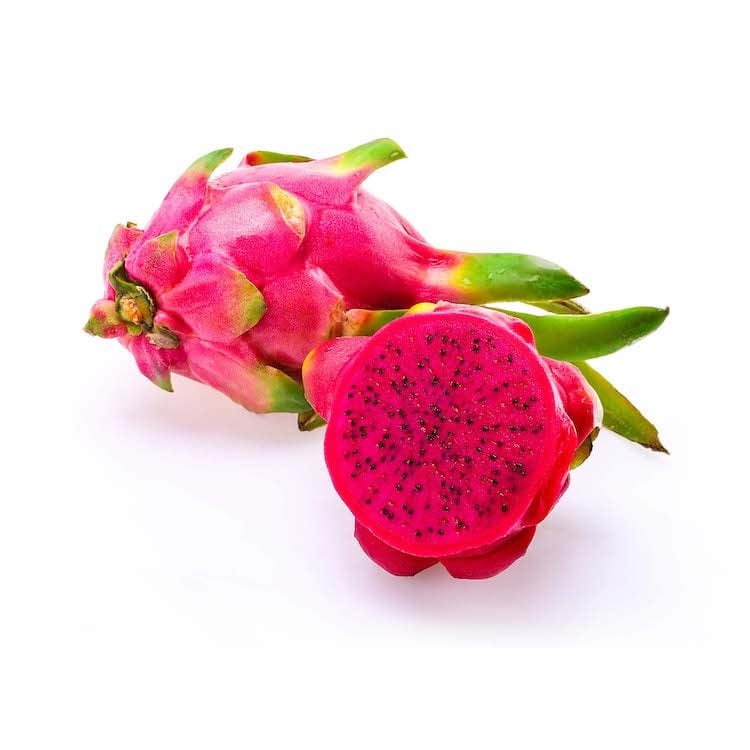
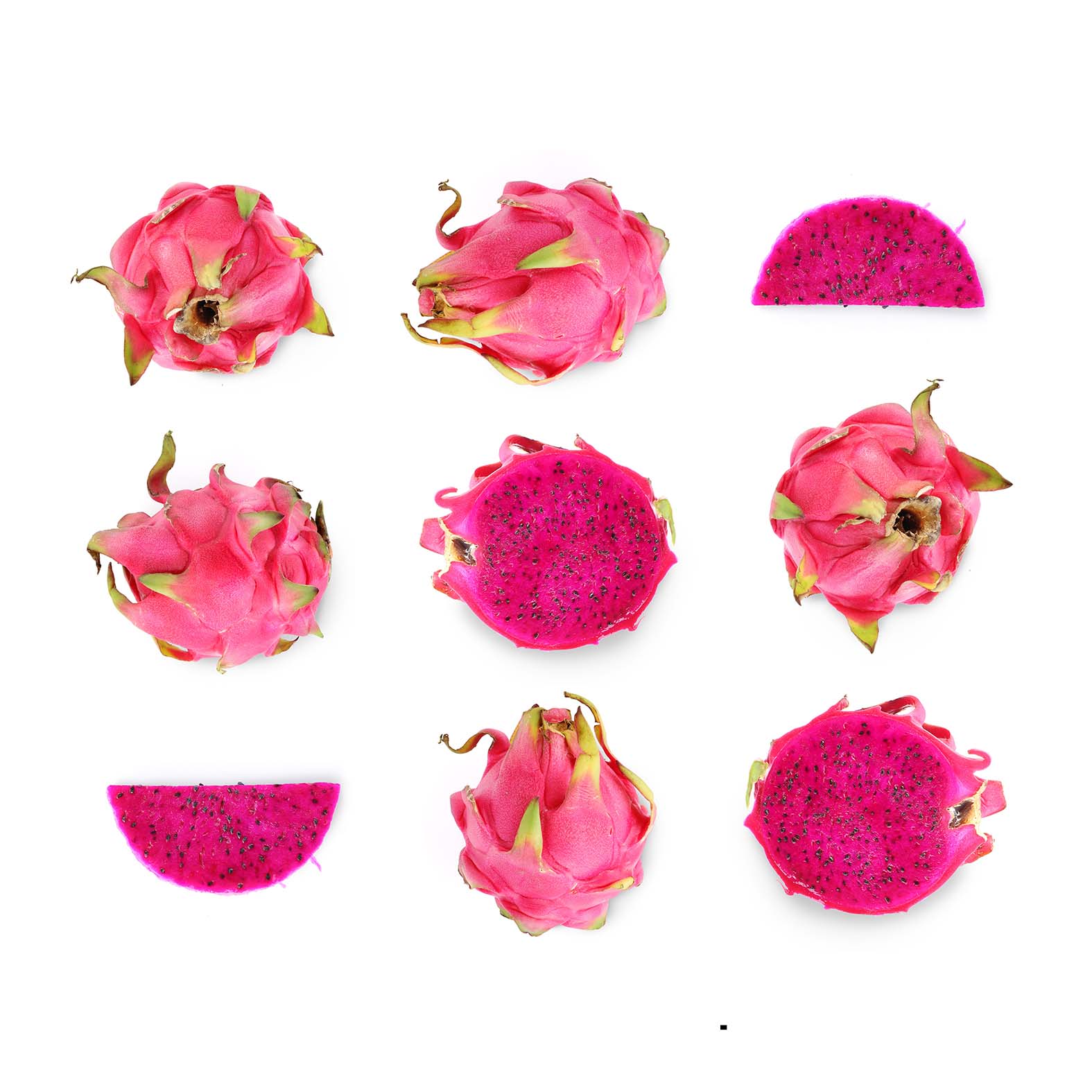
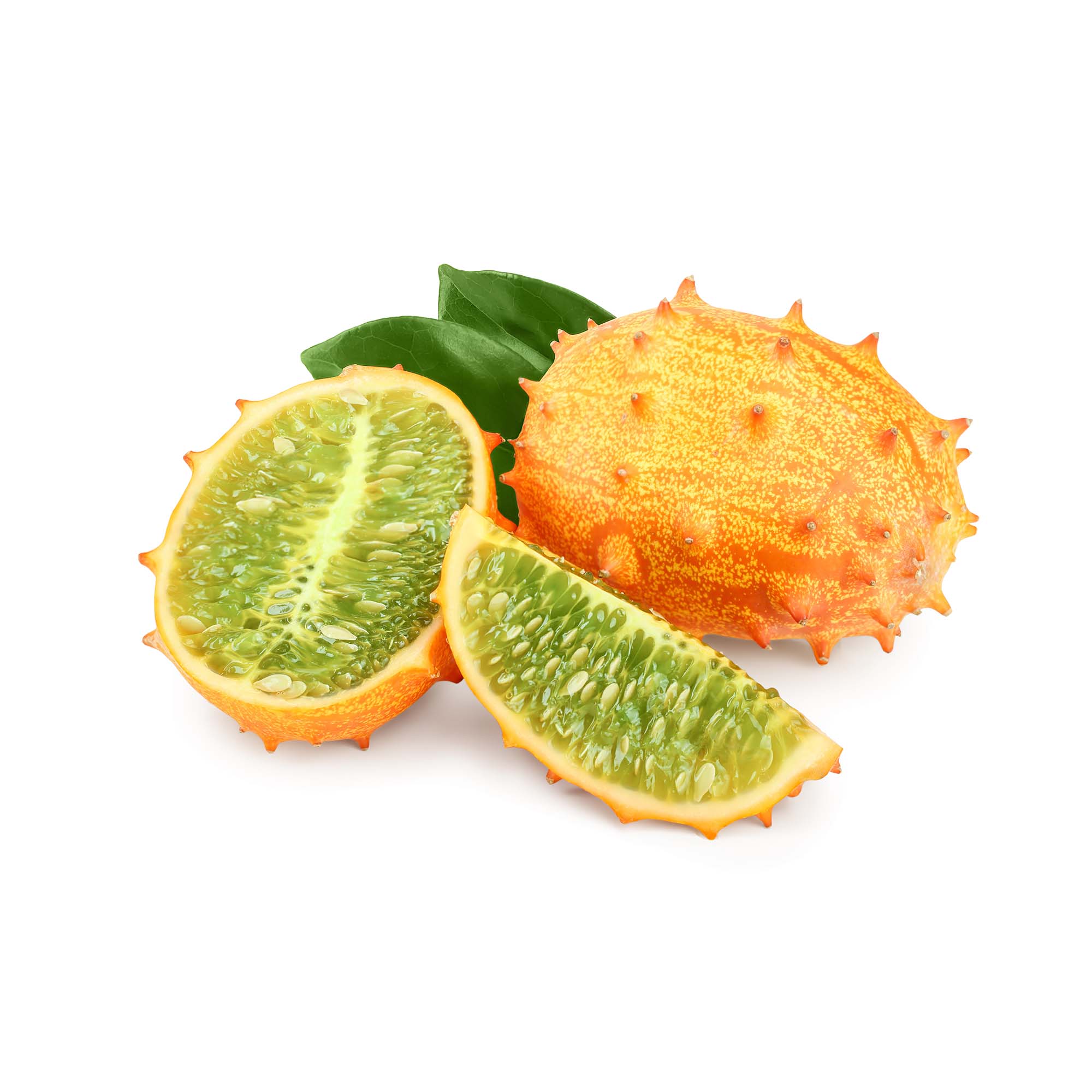
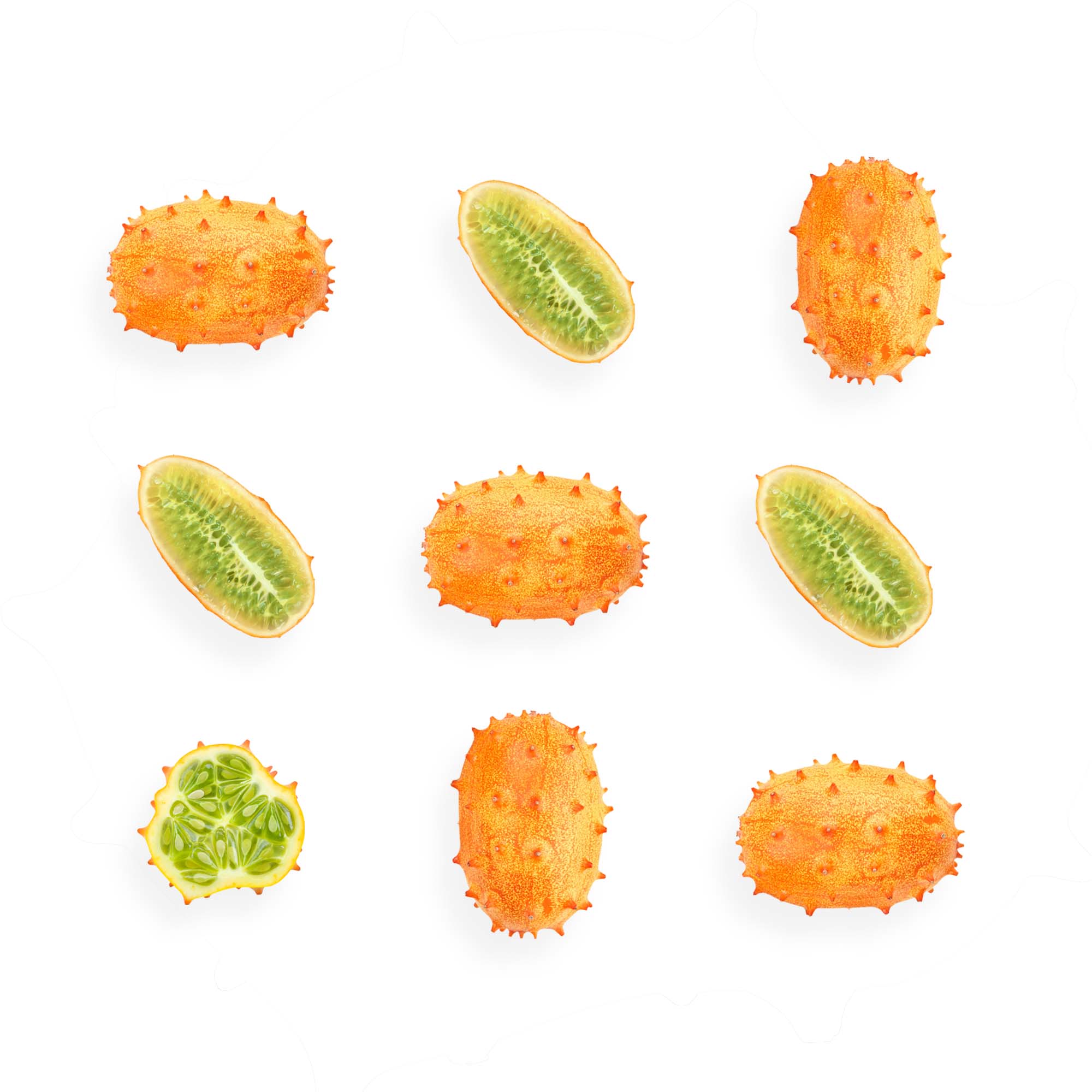
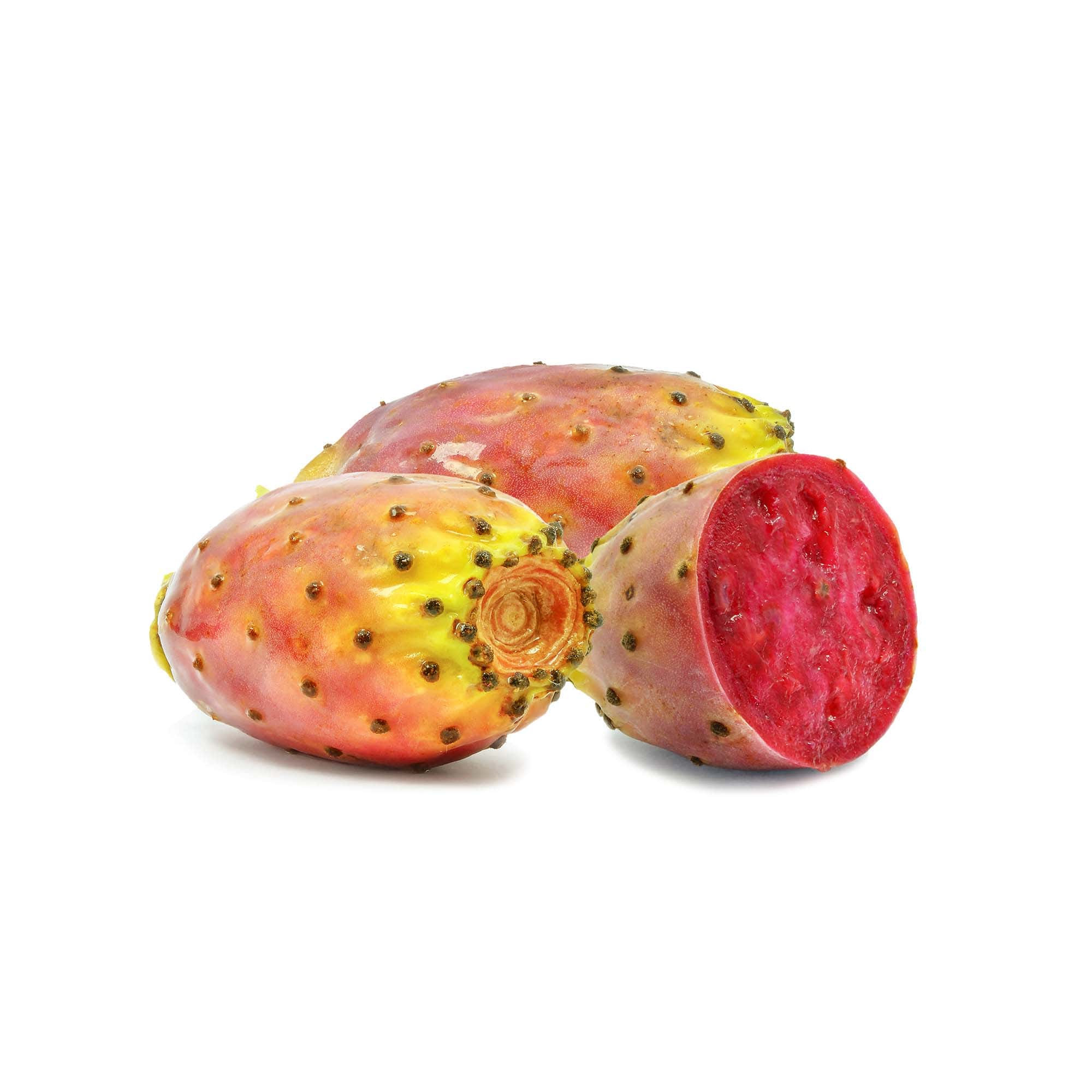
Prickly pear is a genus in the cactus family, Cactaceae. There several different species of cactus figs but the most common culinary species is the Indian fig opuntia (O. ficus-indica). The fruit has prickly skin with big spines brushing off during sorting. It has an oval shape and their thick and spiky skin is full of liquid.
History
Like the majority of cactus species, prickly pear is native to the Americas. It is believed that they are originated from Mexico but humans have introduced them into many other areas of the world. Native American populations used to eat prickly pear leaves, fruits, and roots for centuries.
Regions
Mexico is the largest producer of prickly pear cactus in the world as it accounts 50% of world production. However, significant amounts are produced in Italy, Chile, South Africa, Argentina and Israel.
Flavours & Texture
Prickly pear, tastes like a very concentrated watermelon with a little sweet aftertaste. Its texture is a mix between soft and crisp and it also contains slippery interior juices.
Preparation
Be sure to handle with care and attention, slice both ends of the prickly pear off and discard the ends. Make one long vertical slice down the body of the prickly pear. Slip your finger into the slice and grab a hold of the skin. Peel back the skin and once you finish discard the skin. The seeds are edible and you can eat them if you like. You can eat the fruit raw or you make juice or smoothies.
Nutritional Value
Prickly pear is very low in calories but it is a very good source of fiber, vitamins, and minerals. It is overall a fruit with an excellent nutritional profile.
|
Calories per 100 g |
41 kcal |
|
Fat |
0.5 g |
|
Carbohydrate |
9.6 g |
|
Fiber |
3.6 g |
|
Protein |
0.7 g |
|
Calcium |
6 % of the RDI |
|
Magnesium |
21 % of the RDI |
|
Riboflavin |
4 % of the RDI |
|
Vitamin C |
23 % of the RDI |
|
Vitamin B6 |
3 % of the RDI |
Original: $3.42
-65%$3.42
$1.20Product Information
Product Information
Shipping & Returns
Shipping & Returns
Description
Country of Origin: Columbia 🇨🇴
Class / Cat: 1 (Premium Quality)
Introduction
Prickly pear is a genus in the cactus family, Cactaceae. There several different species of cactus figs but the most common culinary species is the Indian fig opuntia (O. ficus-indica). The fruit has prickly skin with big spines brushing off during sorting. It has an oval shape and their thick and spiky skin is full of liquid.
History
Like the majority of cactus species, prickly pear is native to the Americas. It is believed that they are originated from Mexico but humans have introduced them into many other areas of the world. Native American populations used to eat prickly pear leaves, fruits, and roots for centuries.
Regions
Mexico is the largest producer of prickly pear cactus in the world as it accounts 50% of world production. However, significant amounts are produced in Italy, Chile, South Africa, Argentina and Israel.
Flavours & Texture
Prickly pear, tastes like a very concentrated watermelon with a little sweet aftertaste. Its texture is a mix between soft and crisp and it also contains slippery interior juices.
Preparation
Be sure to handle with care and attention, slice both ends of the prickly pear off and discard the ends. Make one long vertical slice down the body of the prickly pear. Slip your finger into the slice and grab a hold of the skin. Peel back the skin and once you finish discard the skin. The seeds are edible and you can eat them if you like. You can eat the fruit raw or you make juice or smoothies.
Nutritional Value
Prickly pear is very low in calories but it is a very good source of fiber, vitamins, and minerals. It is overall a fruit with an excellent nutritional profile.
|
Calories per 100 g |
41 kcal |
|
Fat |
0.5 g |
|
Carbohydrate |
9.6 g |
|
Fiber |
3.6 g |
|
Protein |
0.7 g |
|
Calcium |
6 % of the RDI |
|
Magnesium |
21 % of the RDI |
|
Riboflavin |
4 % of the RDI |
|
Vitamin C |
23 % of the RDI |
|
Vitamin B6 |
3 % of the RDI |