Banana - Matoke
Country of Origin: Uganda 🇺🇬
Class / Cat: 1 (Premium Quality)
Average Weight: 143 Grams
Introduction
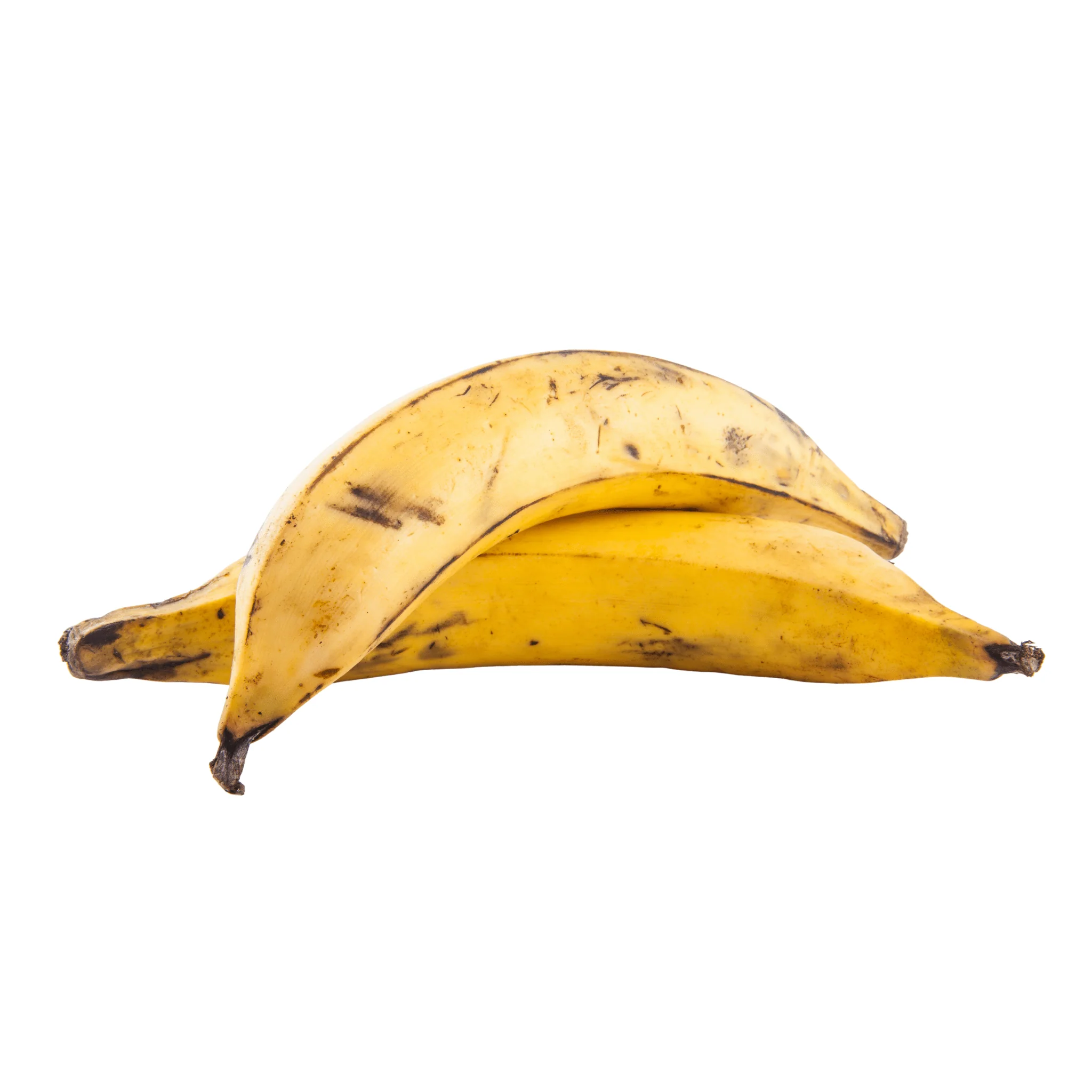
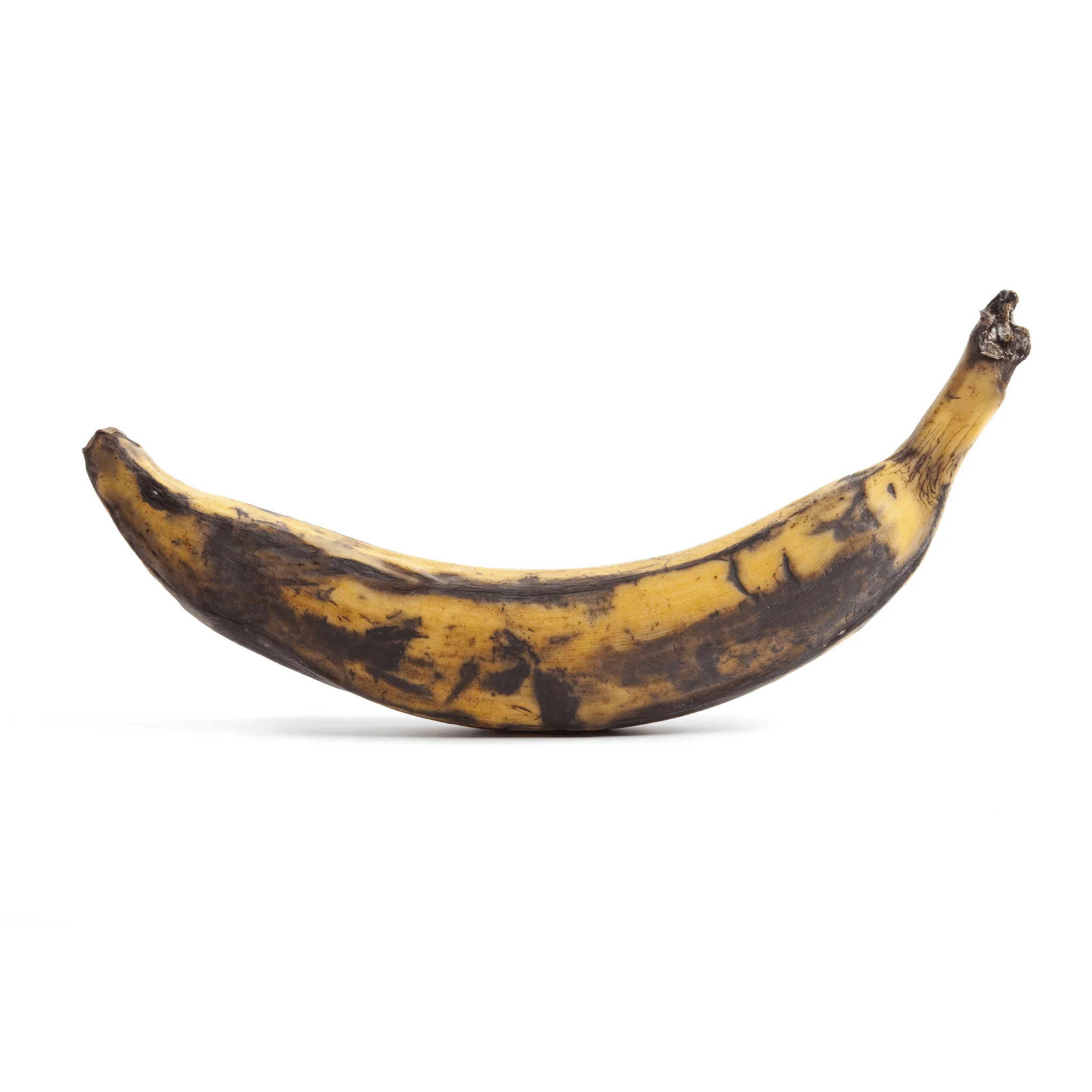
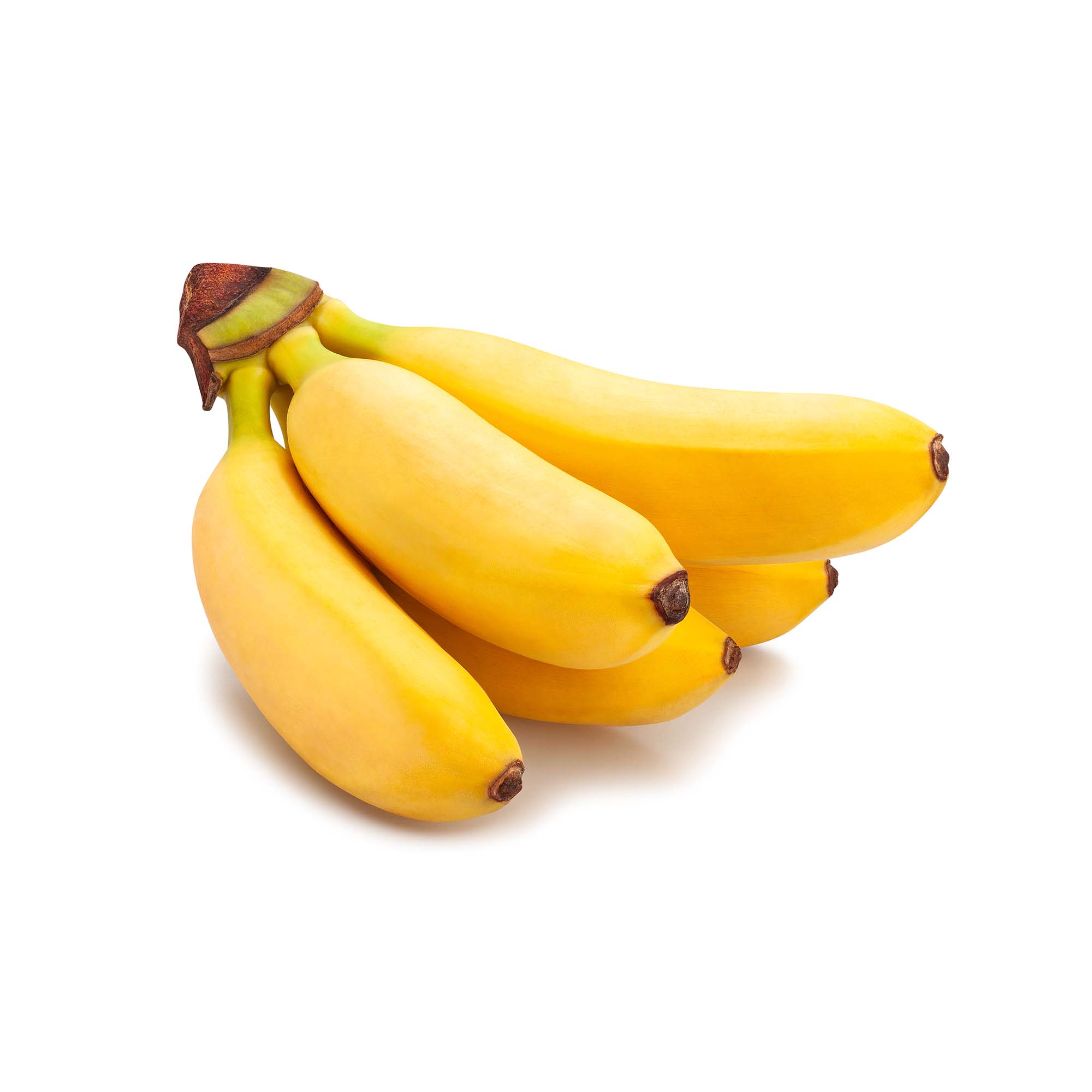
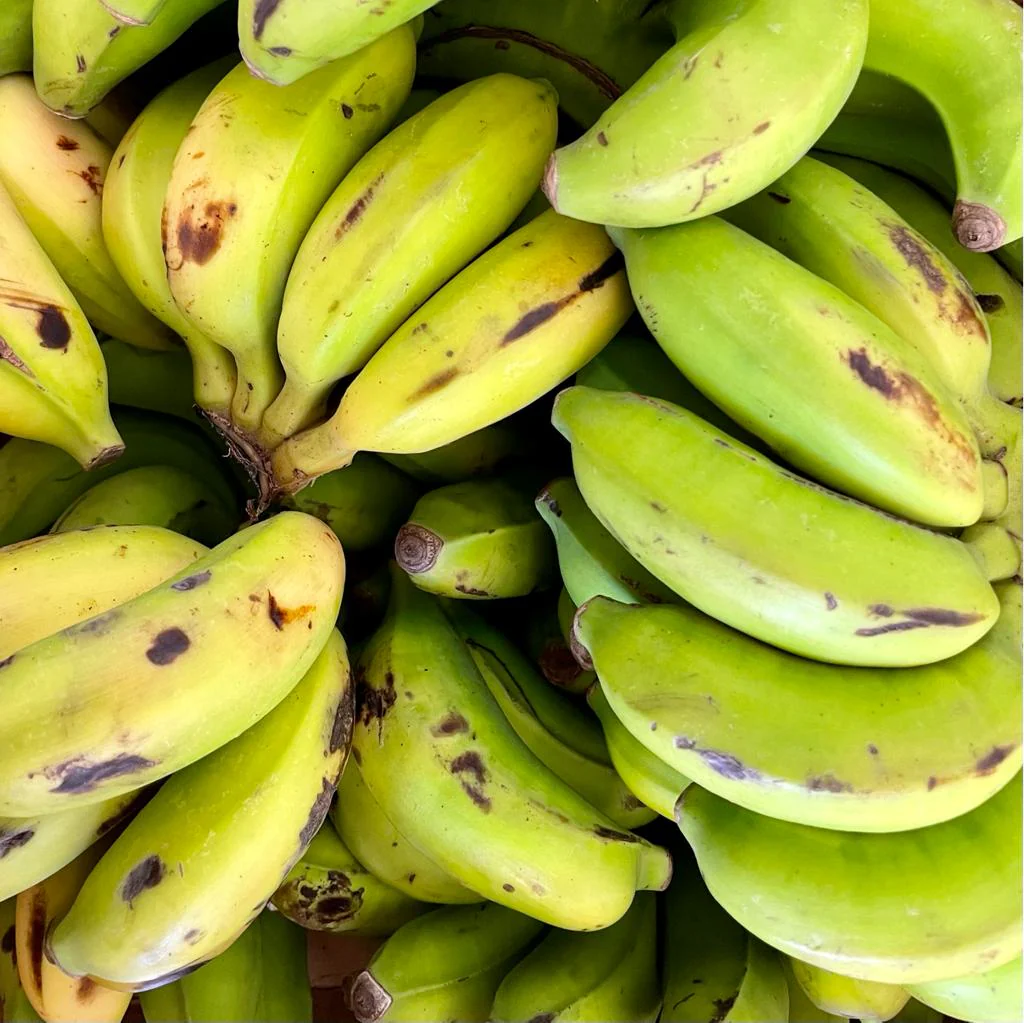
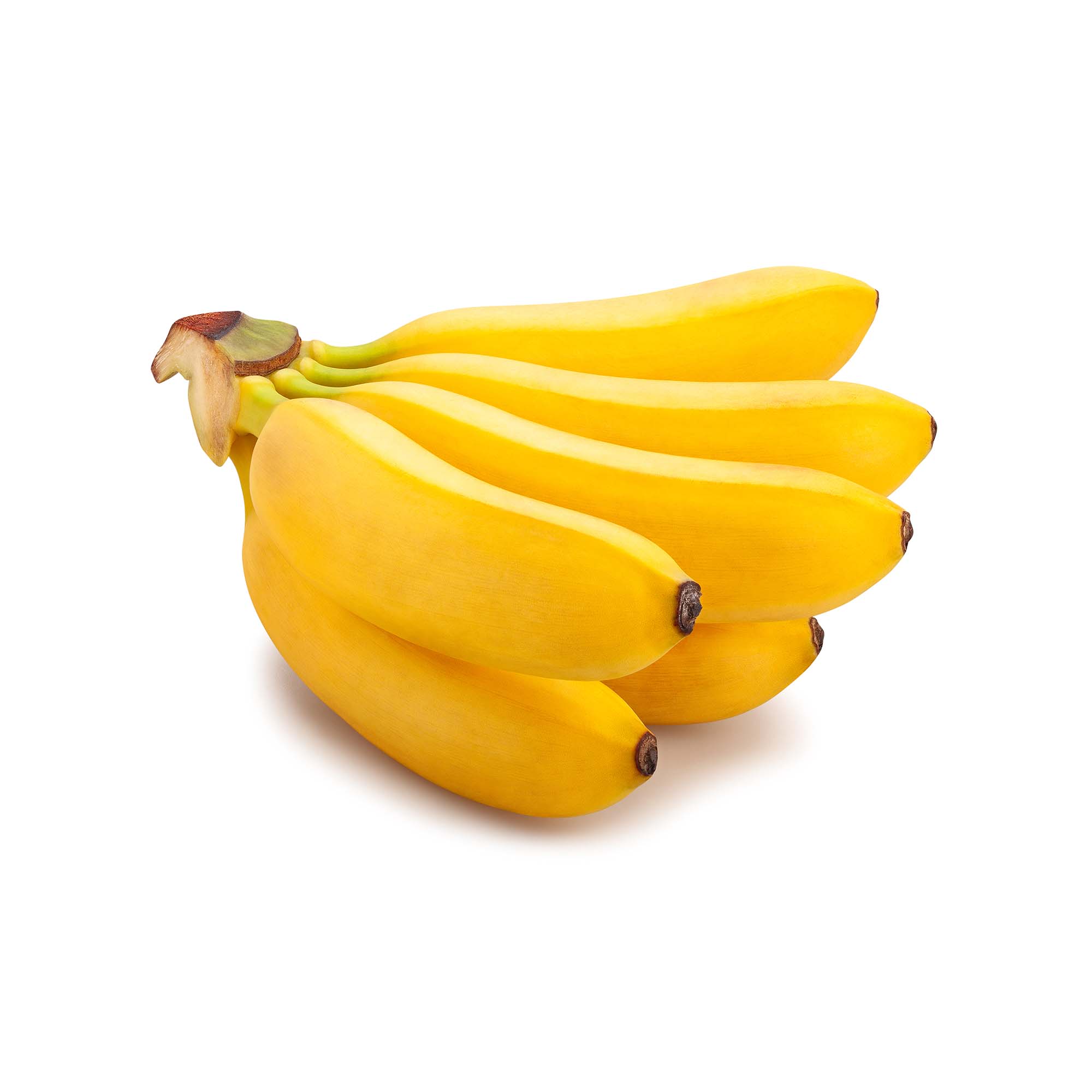
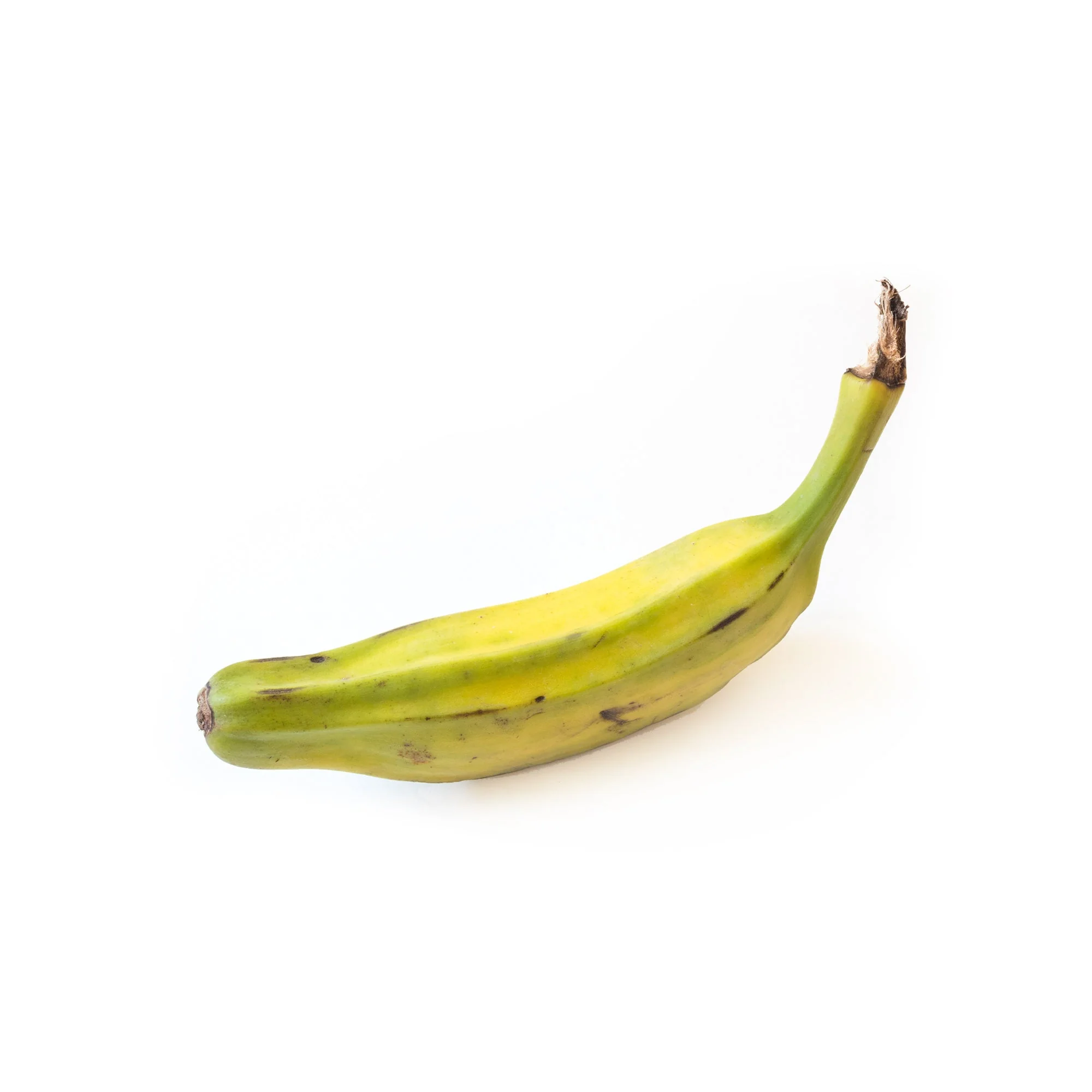
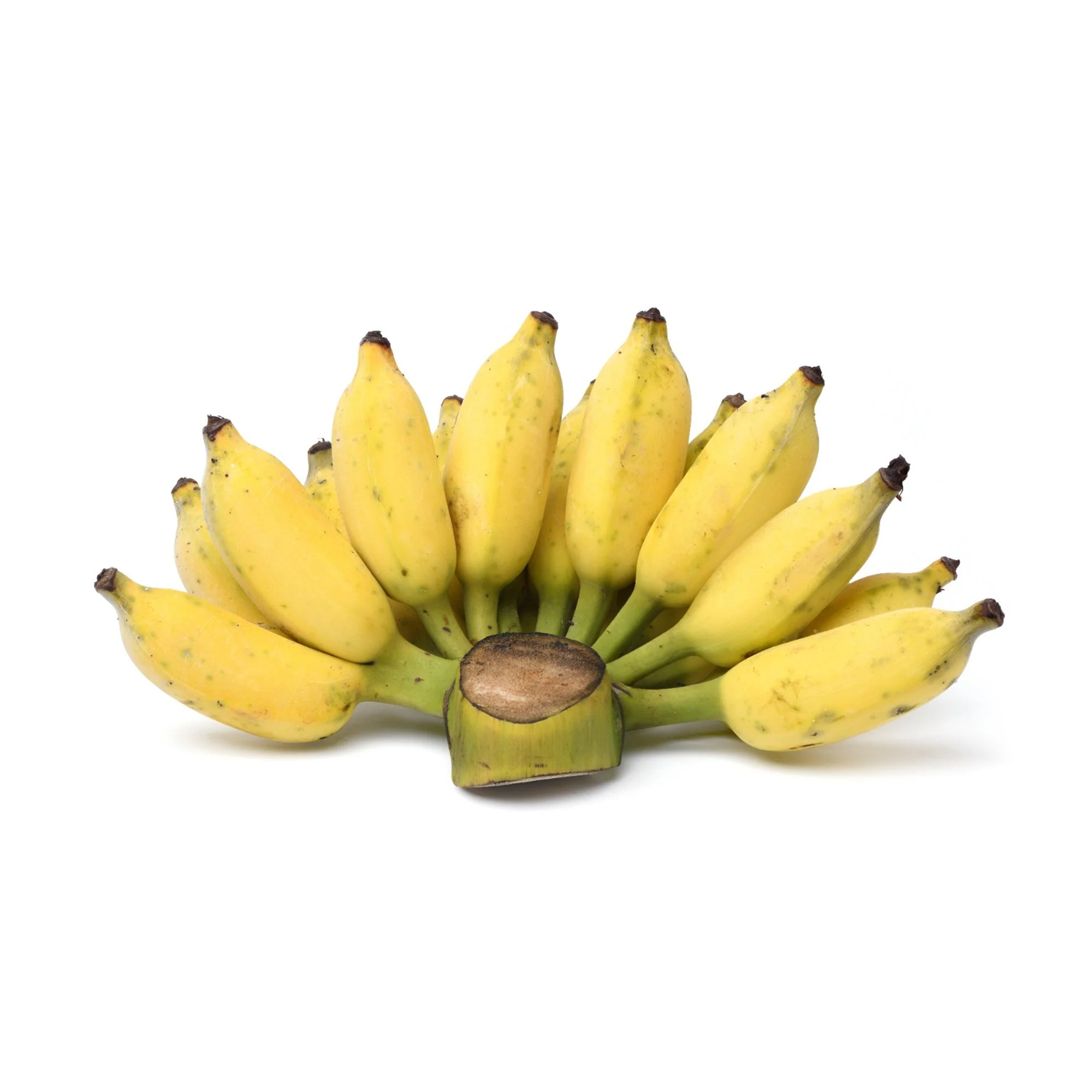
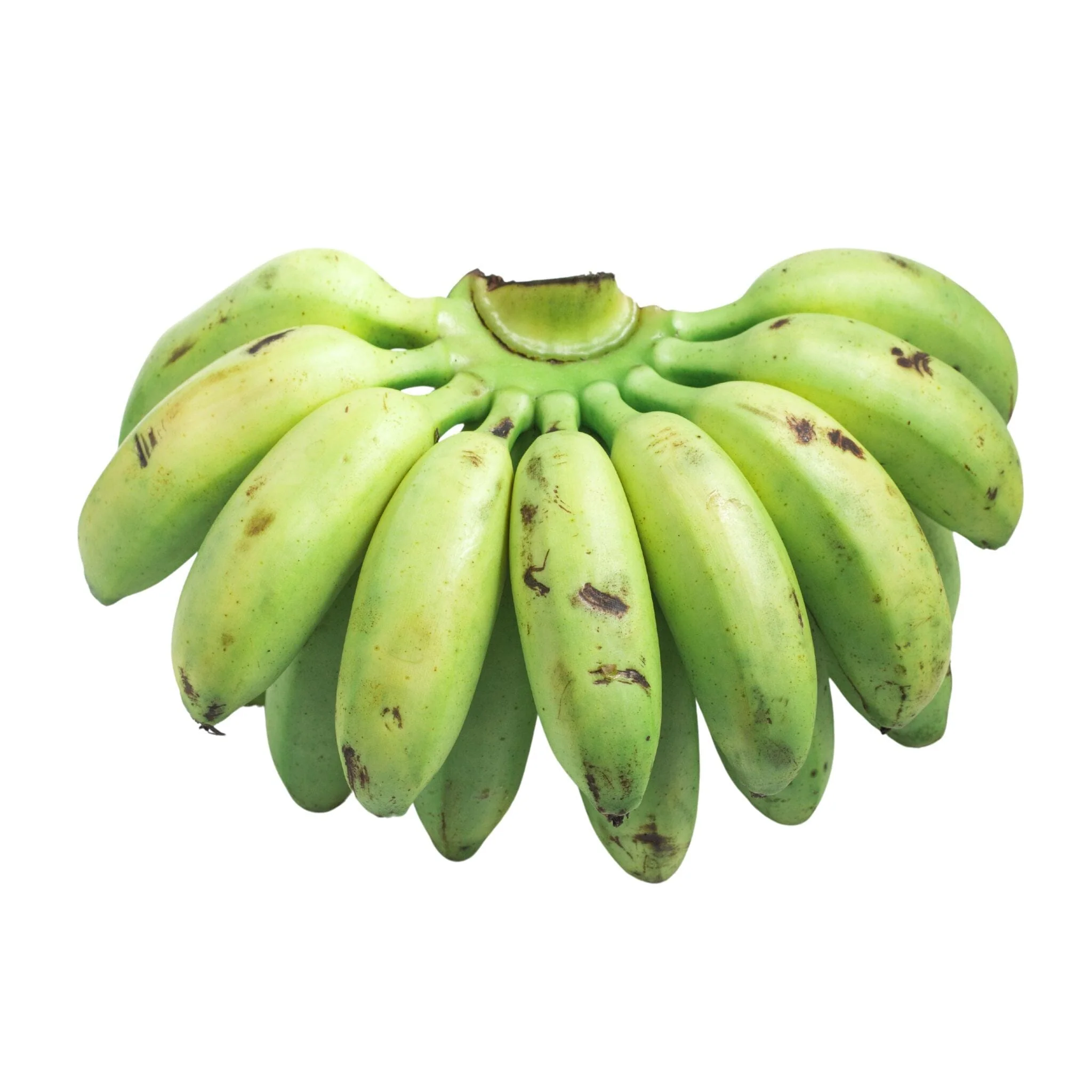
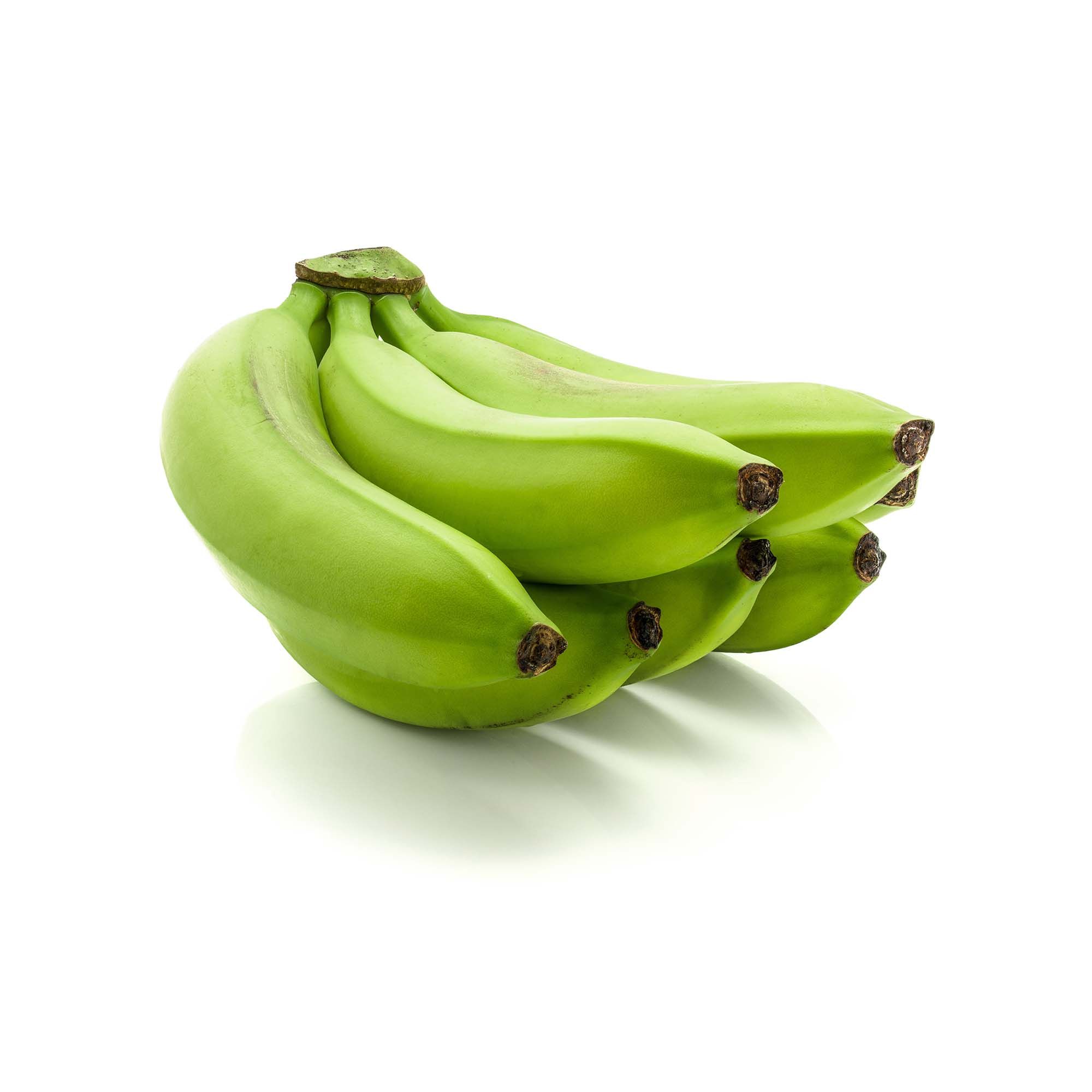
You’ve heard of cooking apples, but what about cooking bananas? Well, that’s a common nickname for the matoke banana! This short, green banana variety is most commonly used for cooking whilst it’s unripe, and is a staple in most East African diets – in fact, it’s used to make a dish simply called matoke. It’s thought to be excellent for blood pressure, digestion, metabolism, and gut-health.
History
During the 1st to 6th centuries AD, the banana was brought from Southeast Asia to Africa via trade. Since then, the matoke banana evolved locally in the African Great Lakes, meaning they are now genetically distinct from other varieties and can be found nowhere else in the world.
Regions
The matoke banana is native to Southwest Uganda, coming from a family of bananas called the East African Highland bananas. It’s a staple food in most Great Lakes countries, including Uganda and Kenya.
Flavours & Texture
When ripe, the matoke banana is sweet and soft, similar to the common cavendish banana you’ll find at any UK supermarket. However, whilst unripe, it has a hard, starchy flesh that becomes soft and savoury when cooked, similar to potatoes.
Preparation
To prepare a traditional East African matoke dish, you would peel the bananas and wrap them in banana leaves. Then, you’d steam the fruit for a couple of hours, then mash it whilst still wrapped in the leaves. It’s often served with meat or beans. You can eat matoke bananas raw, but it’s recommended that you cook them.
Nutritional Value
The gut-friendly matoke banana is excellent for digestion and metabolism.
|
Calories per 100 g |
105 |
|
Fat |
0.4 |
|
Carbohydrates |
24 |
|
Fibre |
3.1 |
|
Protein |
1.3 |
Original: $2.01
-65%$2.01
$0.70Product Information
Product Information
Shipping & Returns
Shipping & Returns
Description
Country of Origin: Uganda 🇺🇬
Class / Cat: 1 (Premium Quality)
Average Weight: 143 Grams
Introduction
You’ve heard of cooking apples, but what about cooking bananas? Well, that’s a common nickname for the matoke banana! This short, green banana variety is most commonly used for cooking whilst it’s unripe, and is a staple in most East African diets – in fact, it’s used to make a dish simply called matoke. It’s thought to be excellent for blood pressure, digestion, metabolism, and gut-health.
History
During the 1st to 6th centuries AD, the banana was brought from Southeast Asia to Africa via trade. Since then, the matoke banana evolved locally in the African Great Lakes, meaning they are now genetically distinct from other varieties and can be found nowhere else in the world.
Regions
The matoke banana is native to Southwest Uganda, coming from a family of bananas called the East African Highland bananas. It’s a staple food in most Great Lakes countries, including Uganda and Kenya.
Flavours & Texture
When ripe, the matoke banana is sweet and soft, similar to the common cavendish banana you’ll find at any UK supermarket. However, whilst unripe, it has a hard, starchy flesh that becomes soft and savoury when cooked, similar to potatoes.
Preparation
To prepare a traditional East African matoke dish, you would peel the bananas and wrap them in banana leaves. Then, you’d steam the fruit for a couple of hours, then mash it whilst still wrapped in the leaves. It’s often served with meat or beans. You can eat matoke bananas raw, but it’s recommended that you cook them.
Nutritional Value
The gut-friendly matoke banana is excellent for digestion and metabolism.
|
Calories per 100 g |
105 |
|
Fat |
0.4 |
|
Carbohydrates |
24 |
|
Fibre |
3.1 |
|
Protein |
1.3 |